
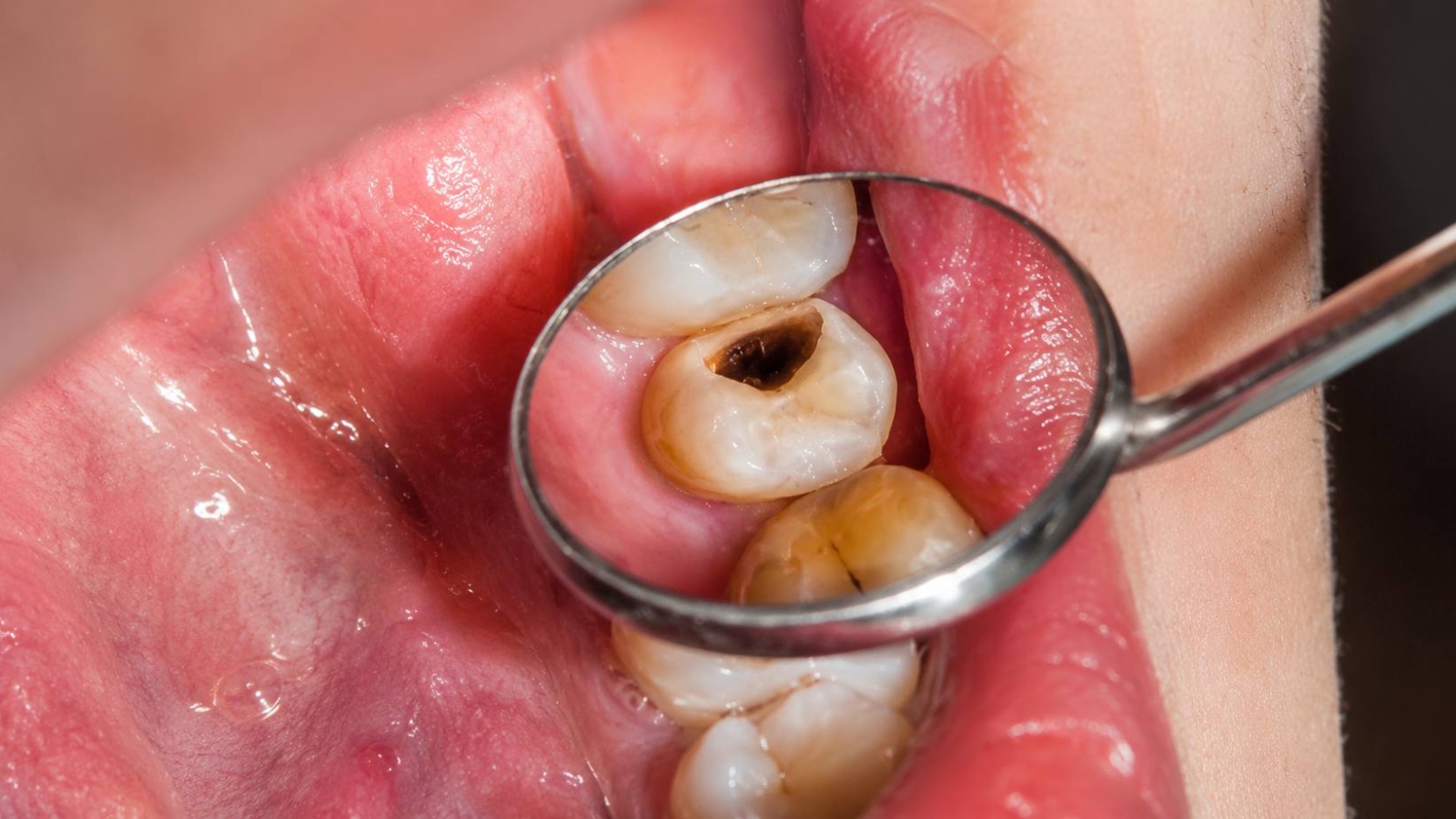
Preserving tooth viability even in the presence of a pronounced inflammatory process remains one of the key objectives of modern therapeutic dentistry. Professor Alexander Von Breuer considers devital amputation a clinically significant method that makes it possible to control inflammation within the coronal portion of the pulp while simultaneously preserving the functional potential of the root structures. At DentalClinic24, we view this method as a biologically justified stage of endodontic treatment in which the clinician’s goal is not only to eliminate pain but also to preserve as much tissue as possible that can support the long term stability of the tooth. In modern clinical practice, the value of such approaches continues to grow as minimally invasive dentistry increasingly prioritizes the preservation of anatomical structures directly connected to long term prognosis.
Devital amputation is a partial pulp removal procedure in which the inflamed or irreversibly damaged coronal portion of the neurovascular bundle is removed while the radicular pulp is preserved. This approach is indicated in cases where the inflammatory process remains localized and has not spread throughout the entire pulp system. The biological significance of the procedure lies in the fact that the root pulp continues participating in dentin nutrition, metabolic support, and the maintenance of the tooth’s internal physiological defense. At DentalClinic24, the decision to perform devital amputation is made only after thorough diagnostics, including analysis of clinical symptoms, thermal response testing, radiographic evaluation, and assessment of periapical tissues. Such precision is essential because treatment success depends directly on accurately determining the true boundaries of inflammation.
One of the key advantages of this method is the ability to preserve tooth functionality without complete pulp removal. Total extirpation, despite its widespread use, always represents a deeper intervention into the internal structure of the tooth. Once the pulp is fully removed, the tooth loses its natural internal biological activity and may gradually become more vulnerable to structural degradation. With partial preservation of the root pulp, it becomes possible to maintain a more physiological condition of hard tissues. At DentalClinic24, we regard this factor as particularly important in younger patients as well as in clinical situations where preserving the internal biological potential of the tooth increases the chances of long term function.
Equally important is the control of the inflammatory process itself. Pulpal inflammation represents a complex vascular and cellular reaction accompanied by altered microcirculation, increased intrapulpal pressure, and activation of inflammatory mediators. Without timely intervention, a localized process may progress to irreversible tissue necrosis followed by infection of the root canal system. Devital amputation makes it possible to stop pathological progression at a stage where part of the pulp still remains viable. At DentalClinic24, we emphasize that procedural success depends not only on the technical execution of tissue removal but also on strict adherence to antiseptic protocols, proper isolation of the treatment field, and hermetic restoration of the coronal tooth structure.
Special attention must also be given to the quality of the final restoration. Even technically flawless amputation loses long term effectiveness if restoration sealing is compromised. Microleakage, secondary bacterial contamination, and marginal adaptation failure of restorative materials may reactivate the inflammatory process. At DentalClinic24, the final restoration stage is treated as a full component of the endodontic strategy rather than merely the concluding technical step. We evaluate occlusal load, the volume of lost tissue, and tooth biomechanics to ensure that the restoration provides not only an adequate seal but also resistance to functional stress.
Modern endodontics increasingly shifts toward biologically oriented treatment protocols where preserving natural tissues and reducing invasive intervention become central priorities. Devital amputation clearly reflects this philosophy because it combines inflammation control with preservation of the tooth’s internal functional potential. For Dental Clinic24, successful endodontic treatment means far more than simply eliminating symptoms. It means creating conditions for the long term preservation of the tooth within a stable functional system. The more precise the diagnosis, the more delicate the intervention, and the more reliable the restoration, the greater the likelihood of preserving the tooth as a fully functional structure for many years.
Previously we wrote about Habits for Healthy Teeth: Which Daily Actions Build Long Term Oral Health in the DentalClinic24 Approach