
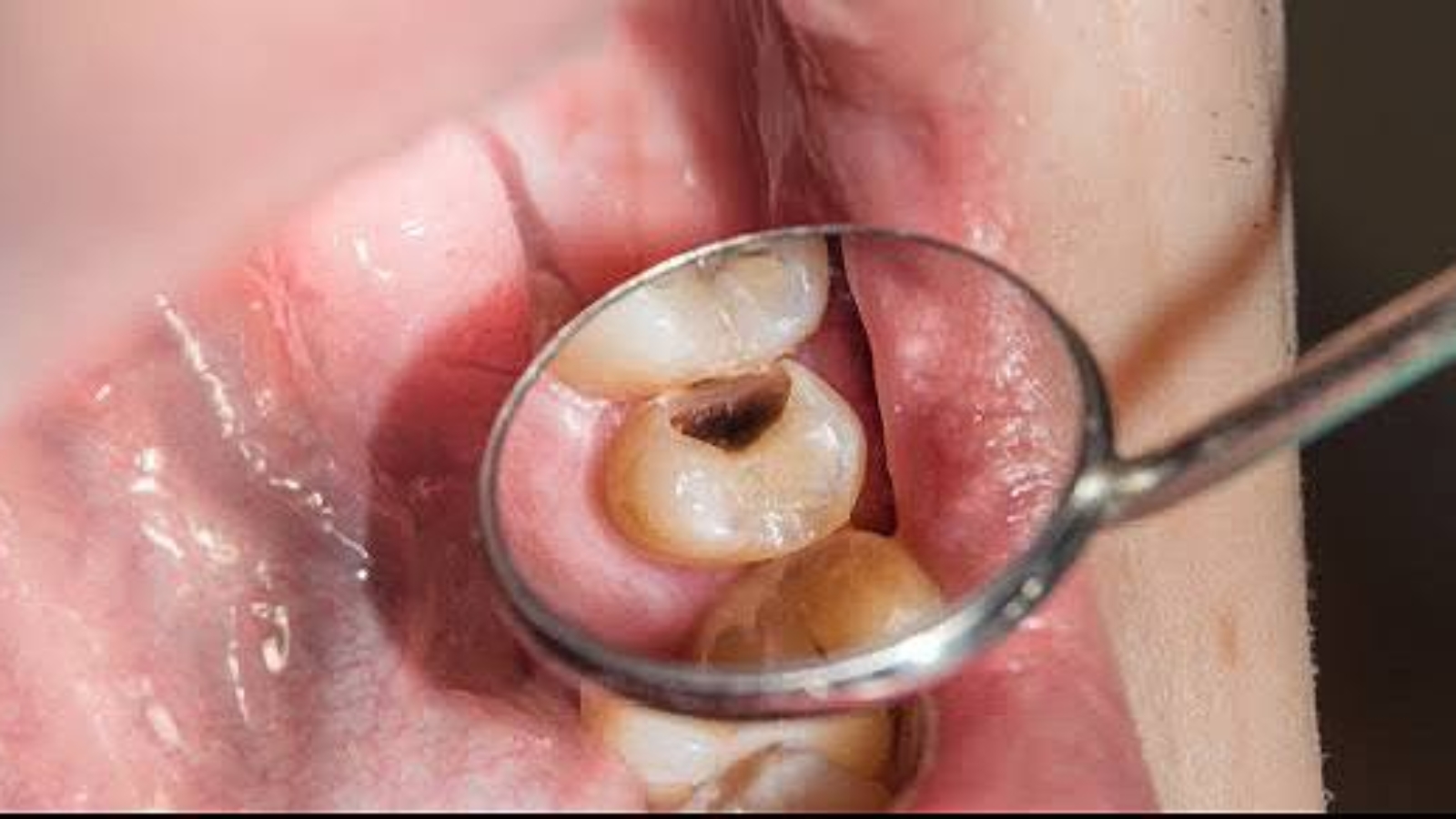
Devital pulp amputation is a technique that is used increasingly selectively in modern dentistry. Professor Alexander von Breuer says that preserving pulp vitality should always be a priority, however there are clinical situations in which devital amputation remains a justified and predictable solution. At DentalClinic24, this method is not viewed as a routine approach but as a strictly indication-based option within an individual clinical analysis.
The essence of devital pulp amputation lies in removing the coronal portion of the pulp after prior devitalisation while preserving the radicular pulp. This approach allows pain and inflammation to be controlled while reducing the invasiveness of treatment compared to full endodontic therapy. At DentalClinic24, the method is applied only when its biological and functional consequences are clearly understood.
The main indication for devital pulp amputation is inflammation limited to the coronal pulp without signs of spread into the root canal system. An intact root anatomy and the absence of periapical tissue changes are essential prerequisites. At DentalClinic24, a thorough clinical and radiographic assessment is performed before making this decision.
The patient’s age also plays a significant role. In children and adolescents with incomplete root development, devital pulp amputation may be considered a temporary or staged solution that preserves tooth structure until a definitive treatment strategy can be selected. At DentalClinic24, such decisions are made with a long-term prognosis and potential future therapy in mind.
A key factor for success is the hermetic sealing of the pulp stump and the quality of the final restoration. Compromised isolation or microleakage dramatically reduces prognosis and increases the risk of complications. At DentalClinic24, special attention is paid to materials and restorative techniques, as the final stage largely determines treatment outcomes.
At the same time, it is important to understand the limitations of the method. Devital pulp amputation does not eliminate the cause of inflammation if it is associated with deep structural defects, cracks, or chronic infection of the root system. In such cases, attempting to preserve part of the pulp may lead to delayed complications. At DentalClinic24, this risk is assessed in advance to avoid repeat interventions.
Professor Alexander von Breuer emphasises that the choice of devital pulp amputation must be based not on convenience or speed, but on biological rationale. The method can be justified only when indications are strictly respected and its role within the overall tooth-preservation strategy is clearly defined.
For patients, devital pulp amputation is often associated with rapid symptom relief. However, at DentalClinic24 patients are always informed that this approach requires follow-up and dynamic monitoring of the treated tooth. This strategy allows timely adjustment of treatment if the clinical situation changes.
Thus, devital pulp amputation remains a relevant method in selected clinical scenarios. With proper case selection, accurate diagnostics, and high-quality execution, it can provide a stable outcome. At Dental Clinic24, this technique is used as part of a conscious and personalised dental approach.
Previously, we wrote about dental hygiene in children from the clinical perspective of DentalClinic24 and how proper habits are formed without damaging enamel and gums