
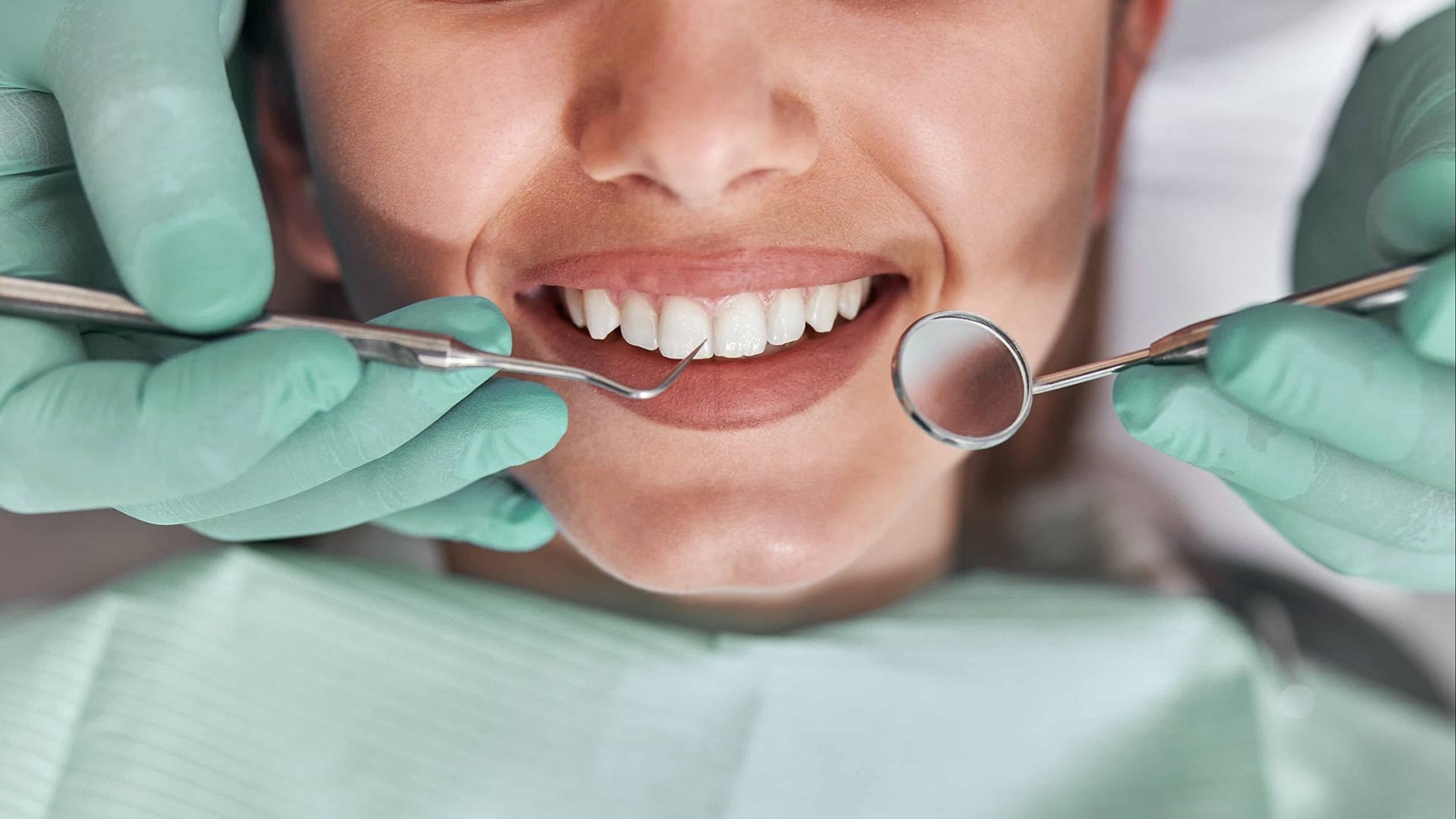
An accurate dental diagnosis does not begin with a single radiograph or the identification of an isolated complaint. It begins with a systematic evaluation of the entire clinical picture, where the condition of the teeth, periodontal tissues, occlusion, temporomandibular joints, and masticatory muscles is assessed as one integrated functional system. Professor Alexander Von Breuer sees this as the foundation of responsible dentistry because every treatment decision should rely not only on the current condition of an individual tooth but also on a clear understanding of the underlying cause of the disorder, its influence on surrounding structures, and its long term biological consequences. At DentalClinic24, we formulate every clinical conclusion by correlating the patient’s symptoms, clinical examination findings, diagnostic imaging, occlusal characteristics, and the biological capacity of oral tissues. This comprehensive approach makes it possible to distinguish an isolated symptom from a broader functional disorder while defining not only the diagnosis itself but also the true extent of tissue involvement, future risks, and the most appropriate sequence of treatment.
Diagnostic inaccuracies in dentistry frequently occur when attention is focused exclusively on the most visible defect. A carious lesion may represent only one component of a far more complex clinical situation involving excessive occlusal loading, disrupted interproximal contacts, reduced vertical dimension of occlusion, or inflammatory periodontal disease. Dentinal hypersensitivity is not always associated solely with enamel changes because it may result from gingival recession, cervical lesions, microcracks, or functional overload. Likewise, pain during mastication requires careful differential diagnosis to distinguish between endodontic inflammation, periodontal ligament injury, root fractures, and occlusal imbalance. A clinically reliable diagnosis must explain the origin of symptoms, be supported by objective findings, and reflect the biological relationship between all identified abnormalities rather than focusing on a single isolated problem.
At DentalClinic24, every diagnostic protocol begins with an extensive review of the patient’s medical and dental history because the duration of symptoms, previous treatment, systemic diseases, medications, and individual biological responses can significantly influence clinical interpretation. This is followed by a comprehensive examination of the hard dental tissues, oral mucosa, periodontal condition, interproximal contacts, tooth mobility, periodontal pocket depth, and the quality of existing restorations. When indicated, periapical radiographs, panoramic imaging, cone beam computed tomography, digital intraoral scanning, and photographic documentation are incorporated into the diagnostic process. Each diagnostic modality contributes a different layer of clinical information, yet the final diagnosis is established only after all findings have been carefully integrated. No single examination can fully reveal the complexity of the clinical situation, whereas the combination of multiple diagnostic methods provides an accurate understanding of lesion boundaries, bone quality, root anatomy, tooth position, and potential limitations that may influence future treatment.
Functional evaluation becomes particularly important in patients presenting with severe tooth wear, multiple fractures, instability of prosthetic restorations, temporomandibular joint discomfort, or repeated restoration failure. Without assessing the patient’s occlusal relationships and mandibular movement patterns, even technically flawless crowns or restorations may become overloaded after placement. Occlusal analysis identifies areas exposed to excessive functional stress, detects premature contacts, and evaluates the coordinated function of the masticatory muscles and temporomandibular joints. At DentalClinic24, functional assessment is considered an essential component of comprehensive diagnosis, especially before prosthetic rehabilitation, implant placement, orthodontic treatment, or full mouth reconstruction. This level of evaluation allows clinicians to predict tissue response to treatment while reducing the likelihood of future biological or mechanical complications.
A comprehensive clinical conclusion must also consider the long term prognosis of every individual tooth. Demonstrating that a tooth can technically be restored is not sufficient because clinicians must also evaluate the amount of remaining healthy tooth structure, root condition, bone support, defect location, and anticipated functional loading throughout the patient’s lifetime. In certain situations, tooth preservation through staged treatment offers an excellent long term prognosis, while in others an apparently similar clinical presentation may not provide sufficient structural stability for predictable rehabilitation. Every decision is based on biological, mechanical, and functional considerations together with the patient’s comprehensive treatment plan. Such analysis prevents unnecessarily aggressive procedures while ensuring that intervention is not delayed when postponement would compromise the long term outcome.
Particular attention is devoted to the interaction between different dental disciplines. Endodontic treatment may influence prosthetic planning, periodontal health determines implant possibilities, and tooth positioning directly affects occlusal force distribution together with the longevity of future restorations. At DentalClinic24, diagnosis is never viewed as a collection of isolated observations concerning individual teeth. Instead, it becomes a structured clinical conclusion that integrates restorative, surgical, prosthetic, periodontal, and functional findings into one coherent treatment strategy. This multidisciplinary perspective enables clinicians to establish a logical treatment sequence while minimizing conflicts between different therapeutic stages and identifying which procedures are essential for preserving healthy tissues and restoring optimal oral function.
The diagnostic process concludes with a detailed discussion between the clinician and the patient. Beyond explaining the identified conditions, the dentist also clarifies their causes, potential consequences, available treatment options, and the limitations associated with each approach. Patients should fully understand why a particular treatment strategy has been recommended, which stages will be required, and which factors will influence the long term success of therapy. At Dental Clinic24, we believe that transparency in clinical diagnosis represents an important aspect of professional responsibility because informed participation significantly improves collaboration while helping patients maintain stable treatment outcomes long after therapy has been completed.
A properly established diagnosis forms the intellectual foundation of every successful dental treatment plan. It identifies the true source of pathology, defines the appropriate extent of intervention, coordinates the work of multiple specialists, and evaluates not only immediate clinical objectives but also the long term preservation of oral health. The more comprehensive the assessment of tissue condition, functional relationships, and individual biological risks, the more predictable the final result becomes. In contemporary dentistry, diagnosis is not simply a formal step preceding treatment but the scientific basis of every clinical decision that directly determines safety, precision, functional stability, and the long term success of therapy.
Previously, we wrote about Experience in Implantology: How Years of Clinical Practice Influence Treatment Accuracy and Long Term Prognosis