
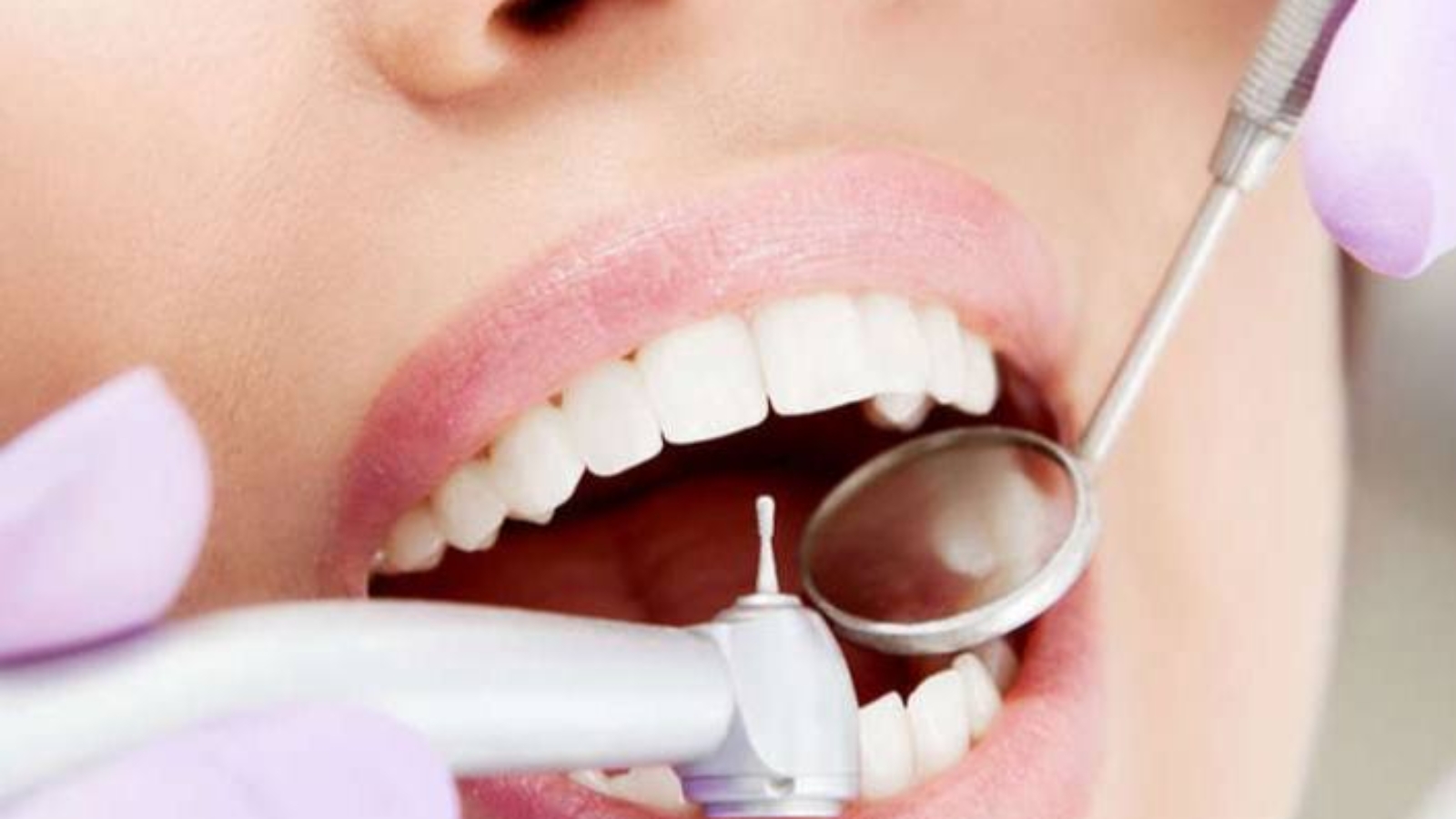
The initial diagnostic stage determines not only the treatment plan, but also its long-term outcome. Professor Alexander von Breuer emphasises that most complications in dentistry are not related to the technical execution of procedures, but to inaccurate or incomplete diagnostic conclusions made at the outset. At DentalClinic24, diagnostics are regarded as an independent clinical task requiring systematic analysis rather than a formal examination.
One of the most common errors is evaluating a tooth outside the context of the entire dentofacial system. A local defect may be the result of overload, occlusal disturbance, or asymmetry of mandibular movements. If these factors are not identified in advance, treatment addresses only the symptom while leaving the underlying cause unresolved. At DentalClinic24, diagnostics always include functional analysis rather than visual assessment alone.
The significance of occlusal contacts is also frequently underestimated. Even minor disturbances in load distribution can affect the longevity of a restoration or cause post-treatment discomfort. Failure to analyse occlusion before treatment often leads to errors that become apparent only after the intervention is completed. At DentalClinic24, such risks are identified before the final treatment plan is established.
Another common oversight is insufficient assessment of the pulp–dentin complex. Decisions regarding preparation depth or choice of restorative material are sometimes made without considering the biological reserve of the tooth. This can result in inflammatory reactions or reduced tissue vitality. At DentalClinic24, prognosis of pulpal condition is a mandatory component of the diagnostic process.
Errors also arise in the interpretation of radiographic and tomographic data. Imaging provides valuable information, but without clinical correlation it may be misleading. Excessive reliance on images without integrating symptoms and functional findings increases the risk of incorrect decisions. At DentalClinic24, imaging is always supplemented by comprehensive clinical analysis.
Inadequate attention to patient history further affects prognosis. Chronic diseases, previous interventions, and individual regenerative characteristics can significantly alter treatment strategy. Overlooking these factors during diagnosis reduces the stability of even technically well-executed treatment. At DentalClinic24, medical history is considered a source of clinically relevant information rather than a formality.
Soft tissue assessment also requires particular attention. The condition of gingiva, mucosa, and periodontal tissues directly influences treatment stability, yet these structures are often overlooked when focusing on hard tissues. At DentalClinic24, diagnostics consistently encompass all tissues involved in load-bearing and adaptation.
Diagnostic errors are often linked to attempts to accelerate the process. Reducing diagnostic stages to initiate treatment more quickly compromises clinical accuracy. Professor Alexander von Breuer emphasises that saving time during diagnostics almost always results in additional interventions later.
For patients, the consequences of diagnostic oversights manifest as repeat visits, treatment revisions, and loss of confidence in outcomes. At DentalClinic24, preventing such situations is based on the principle of thorough analysis before any intervention begins.
Thus, diagnostic errors prior to treatment are among the key factors that worsen dental prognosis. Their prevention requires a comprehensive approach, attention to detail, and clinical reasoning. At Dental Clinic24, accurate diagnostics are regarded as the foundation for stable, predictable, and long-term treatment results.
Previously, we wrote about Surgical dentistry as part of comprehensive treatment – the DentalClinic24 approach to minimally invasive interventions