
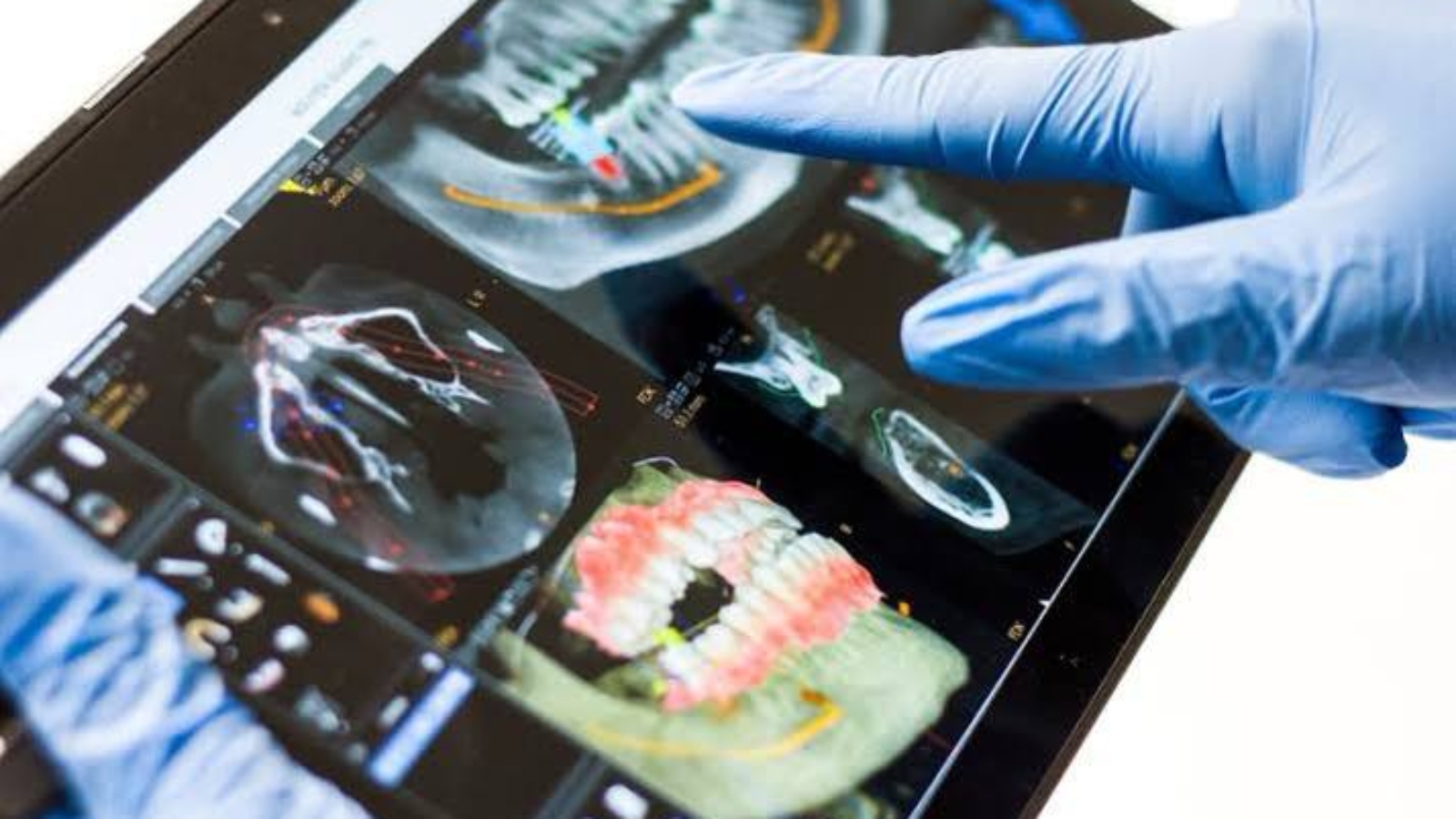
Modern orthodontics has evolved far beyond the mechanical movement of teeth alone. Successful treatment today is built upon precise digital calculations, comprehensive anatomical analysis, and the ability to simulate treatment outcomes long before active therapy begins. Professor Alexander von Breuer notes that the integration of digital technologies has fundamentally transformed orthodontic treatment planning because clinicians are now able to make decisions based not only on professional experience but also on highly accurate three dimensional diagnostic data. At DentalClinic24, we consider digital modeling to be the foundation of contemporary orthodontics, allowing us to predict the movement of every individual tooth, account for each patient’s unique anatomical characteristics, and achieve treatment outcomes with a high degree of precision and long term predictability.
Traditional orthodontic diagnostics provided clinicians with valuable information, yet much of the analysis relied on comparing separate radiographs, plaster models, and findings from the clinical examination. Modern digital technologies integrate all diagnostic information into a unified virtual model, making it possible to evaluate the position of every tooth, the morphology of the dental arches, bone volume, occlusal relationships, and the functional characteristics of the entire dentofacial system simultaneously. This comprehensive approach significantly reduces the likelihood of diagnostic inaccuracies while revealing the complex relationships between anatomical structures before active treatment begins. The greater the accuracy of the digital treatment plan, the higher the probability of achieving both functional stability and long lasting aesthetic success.
The digital planning process begins with the creation of a detailed three dimensional representation of the oral cavity based on cone beam computed tomography, intraoral scanning, and advanced facial photographic analysis. This virtual environment enables the orthodontist to calculate the movement of every tooth step by step, determine the optimal sequence of orthodontic forces, evaluate the influence of tooth movement on occlusion, root positioning, periodontal tissues, and facial aesthetics, and anticipate biological responses throughout treatment. At DentalClinic24, we devote particular attention to the biomechanics of orthodontic tooth movement because every orthodontic force must remain within the biological limits of surrounding tissues, ensuring safe bone remodeling while minimizing unnecessary stress on the periodontal ligament.
One of the greatest advantages of digital orthodontics is the ability to monitor treatment continuously and identify even the smallest deviations from the original treatment plan. Periodic digital scans provide objective comparisons between the planned virtual model and the patient’s actual clinical progress, allowing clinicians to assess the speed of tooth movement, evaluate changes in occlusal contacts, and modify treatment protocols whenever necessary. This level of clinical control substantially improves treatment precision while ensuring that therapeutic decisions are supported by measurable data rather than visual estimation alone. As a result, orthodontists are able to respond more effectively to each patient’s individual biological characteristics while maintaining stability throughout every phase of orthodontic correction.
Digital technologies become especially valuable when managing complex clinical cases involving severe malocclusions, significant space deficiencies within the dental arches, impacted teeth, or combined orthodontic and surgical treatment protocols. At DentalClinic24, every patient is evaluated through a comprehensive diagnostic process that integrates digital imaging, functional analysis, advanced radiographic assessment, and collaboration between specialists from multiple areas of dentistry. This multidisciplinary approach makes it possible to determine the optimal treatment sequence before therapy begins, reduce the likelihood of complications, and achieve the closest possible correspondence between the original digital treatment plan and the final clinical outcome.
Another important advantage of digital orthodontic management is the ability to evaluate the long term stability of treatment results. Following completion of active orthodontic therapy, digital models allow clinicians to compare the condition of the dentofacial system over extended periods, monitor the preservation of occlusal balance, assess tooth stability, and detect even minimal changes that could eventually influence long term functional performance. This objective monitoring significantly enhances the quality of follow up care while helping maintain the achieved orthodontic result for many years.
At Dental Clinic24, we view digital technologies as one of the most valuable components of modern orthodontics, bringing together high precision diagnostics, intelligent treatment planning, and continuous clinical monitoring within a unified decision making system. The comprehensive use of digital data allows orthodontic treatment to become safer, more predictable, and more individualized while preserving functional oral health, maintaining physiological occlusal stability, and ensuring the long term aesthetics of every patient’s smile.
Previously, we wrote about Soft and Hard Tissue Surgery in Surgical Dentistry: How a Comprehensive Surgical Approach Influences Anatomical Restoration, Inflammation Control, and Long Term Functional Stability of the Dentofacial System