
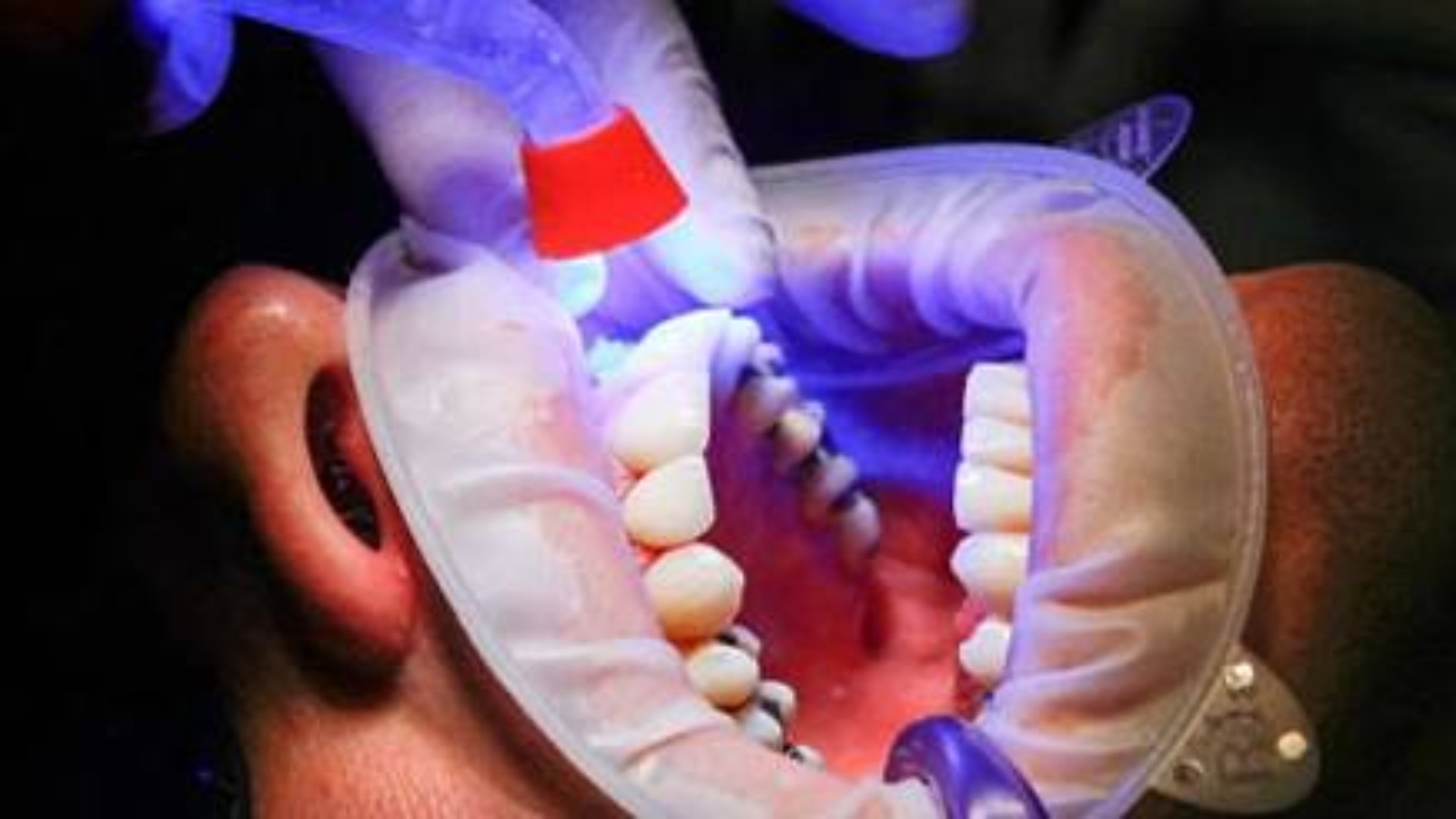
Modern restorative dentistry is impossible without a clear understanding of adhesion mechanisms – the reliable bonding of restorative material to enamel and dentin. Professor Alexander von Breuer notes that the longevity of a filling depends not so much on its shape as on the quality of adhesive interaction at the microscopic level. At DentalClinic24, direct adhesion is regarded as a biomechanical process that requires strict adherence to protocols and careful consideration of the anatomical characteristics of hard dental tissues.
Enamel has a high degree of mineralisation and a relatively uniform structure, allowing the creation of micromechanical retention zones after etching. Acid conditioning forms microporosities into which the adhesive agent penetrates, creating a durable bond with the composite material. At DentalClinic24, enamel preparation is performed with precise control of timing and acid concentration, since excessive exposure may weaken the tissue structure.
Dentin has a more complex morphology – containing dentinal tubules and an organic matrix – making adhesion highly technique-sensitive. Inadequate isolation or improper moisture control may compromise bond stability. At DentalClinic24, a step-by-step adhesive protocol is used, including conditioning, priming, and bonding with controlled layer thickness. This ensures the formation of a hybrid layer capable of withstanding functional loads.
The biomechanics of direct adhesion involve not only chemical bonding but also stress distribution within the interface zone. If a restoration is subjected to excessive occlusal load, microscopic cracks may develop even when the initial bond strength is high. At DentalClinic24, occlusal analysis is performed prior to restoration to minimise overload risk and extend the lifespan of the restoration.
Polymerisation of composite material is another critical factor. Insufficient curing depth reduces mechanical strength and may lead to microleakage. At DentalClinic24, a layered application technique is employed with controlled curing time and light intensity. This approach minimises polymerisation shrinkage stress and enhances marginal stability.
Isolation of the working field is an essential condition for successful adhesion. Contact with moisture or saliva can disrupt the adhesive layer structure. At DentalClinic24, rubber dam isolation and additional moisture control measures are routinely used to ensure predictable outcomes, even in challenging clinical situations.
Equally important is surface evaluation after restoration placement. Polishing reduces surface roughness and limits bacterial biofilm accumulation. At DentalClinic24, finishing procedures are considered an extension of the adhesive phase, as a smooth surface supports long-term marginal sealing and durability.
Thus, direct adhesion is a multi-stage process based on the interaction of chemical and mechanical factors. The longevity of a restoration depends on the precision of each stage – from tissue preparation to final polymerisation. At Dental Clinic24, the clinical approach to adhesion aims to create a stable and hermetic bond between material and tooth, ensuring functional reliability and preservation of hard tissues over the long term.
Previously, we wrote about Dental Treatment in Patients with Chronic Tonsillitis at DentalClinic24 – The Interconnection of Infection Foci and Dental Strategy