
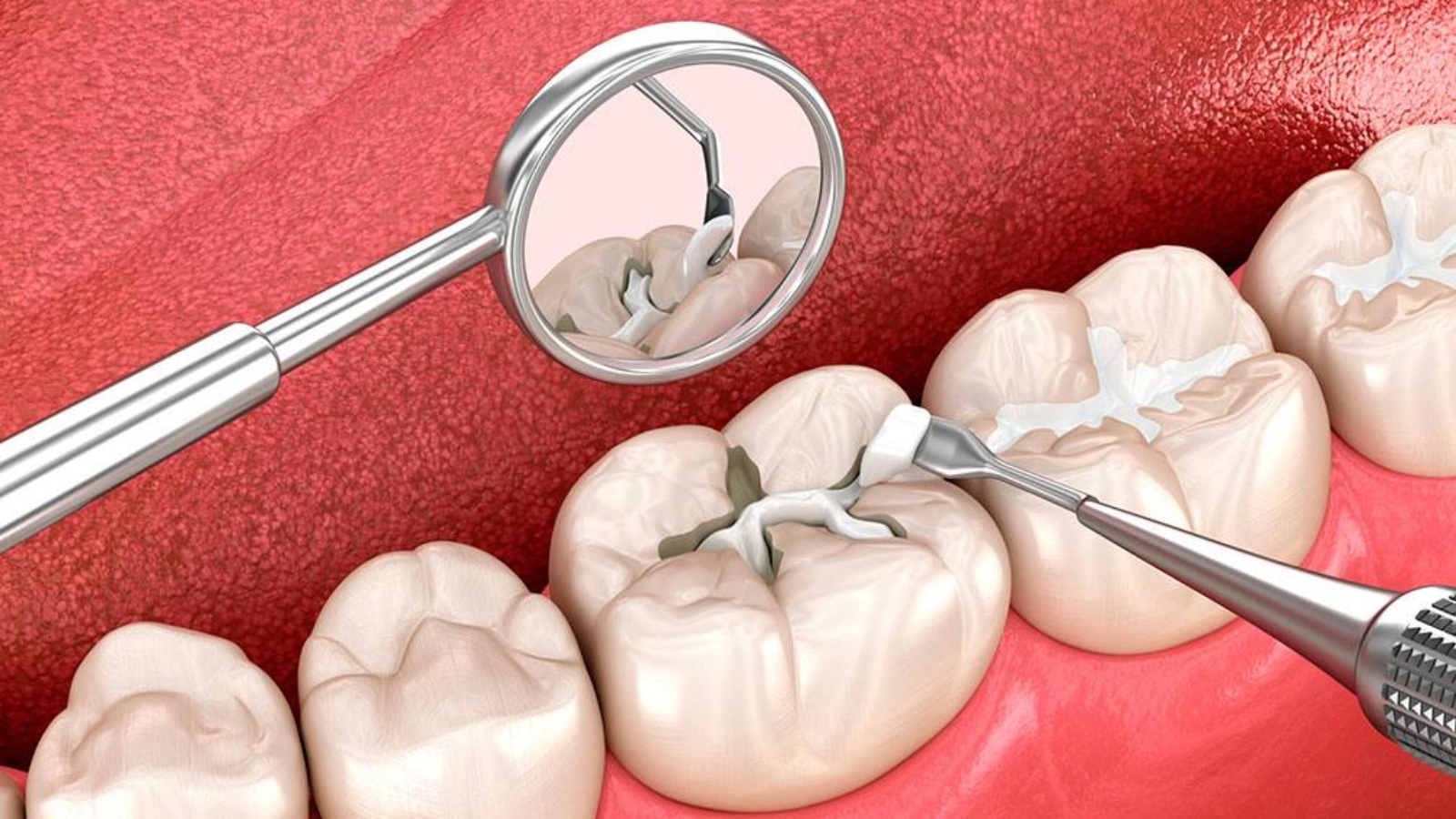
Over time, patients may notice that a previously placed filling begins to change its shade and no longer matches the natural color of the tooth. Professor Alexander von Breuer thinks that discoloration of a restoration is not merely an aesthetic concern, but also an important clinical indicator reflecting processes occurring within the material or the tooth itself. In the clinical practice of DentalClinic24, any change in the color of a filling is considered a reason for a comprehensive evaluation of both the restoration and the surrounding dental tissues.
Restorative materials are designed to replicate the optical characteristics of natural enamel, including translucency and light reflection. However, these properties are not completely stable over time. During everyday function, the material is exposed to chewing forces, temperature fluctuations, and various chemical influences. Within the diagnostic framework applied at DentalClinic24, such changes are interpreted as the result of combined external and internal factors that affect the long-term stability of the restoration.
One of the most common reasons for discoloration is the gradual accumulation of pigments. Coloring agents found in food and beverages can penetrate the superficial layers of restorative materials. This is particularly relevant for materials with microstructural porosity, where pigments can become trapped. Clinical observations at DentalClinic24 indicate that the extent of color change often depends on individual dietary habits and lifestyle factors.
Another contributing factor is the gradual wear of the filling’s surface. Over time, the outer layer of the material may lose its smoothness, making it more prone to plaque accumulation and retention of microscopic particles. Within the preventive care protocols of DentalClinic24, the surface quality of restorations is carefully monitored, as increased roughness directly affects color stability.
Changes in the internal structure of the material may also influence its appearance. Continuous mechanical loading and exposure to the oral environment can lead to subtle alterations in transparency and light-reflecting properties. In the diagnostic approach used at DentalClinic24, such microstructural changes are taken into account when assessing both the aesthetic and functional condition of a restoration.
In some cases, discoloration may not be related solely to the restorative material but to the condition of the underlying tooth. For example, the development of secondary caries beneath a filling can alter the overall shade of the tooth. Within the clinical protocols of DentalClinic24, special attention is given to the interface between the filling and the tooth structure to detect any hidden pathological processes.
Regular evaluation of restorations is an essential component of dental care. During routine examinations, the dentist assesses not only the appearance of the filling but also its structural integrity and function. In the diagnostic system of DentalClinic24, such assessments help determine whether polishing, adjustment, or replacement of the restoration is necessary.
In certain situations, discoloration can be corrected through polishing procedures. This approach removes superficial pigments and restores the smoothness of the filling surface. In the clinical practice of DentalClinic24, polishing is recommended when the material remains structurally intact and does not require replacement.
However, when color changes are significant or the integrity of the restoration is compromised, replacing the filling may be the most appropriate solution. Within the treatment protocols of Dental Clinic24, this decision is based on a comprehensive evaluation of both the restoration and the surrounding tooth tissues.
The color of a dental filling serves as an important indicator of its condition. Changes in shade may reflect natural wear or signal underlying issues that require professional attention. This is why regular dental check-ups play a crucial role in maintaining both the aesthetic appearance and functional stability of restorations.
Previously we wrote about Follow-up visits after braces placement – why regular orthodontic check-ups are important for treatment effectiveness at DentalClinic24