
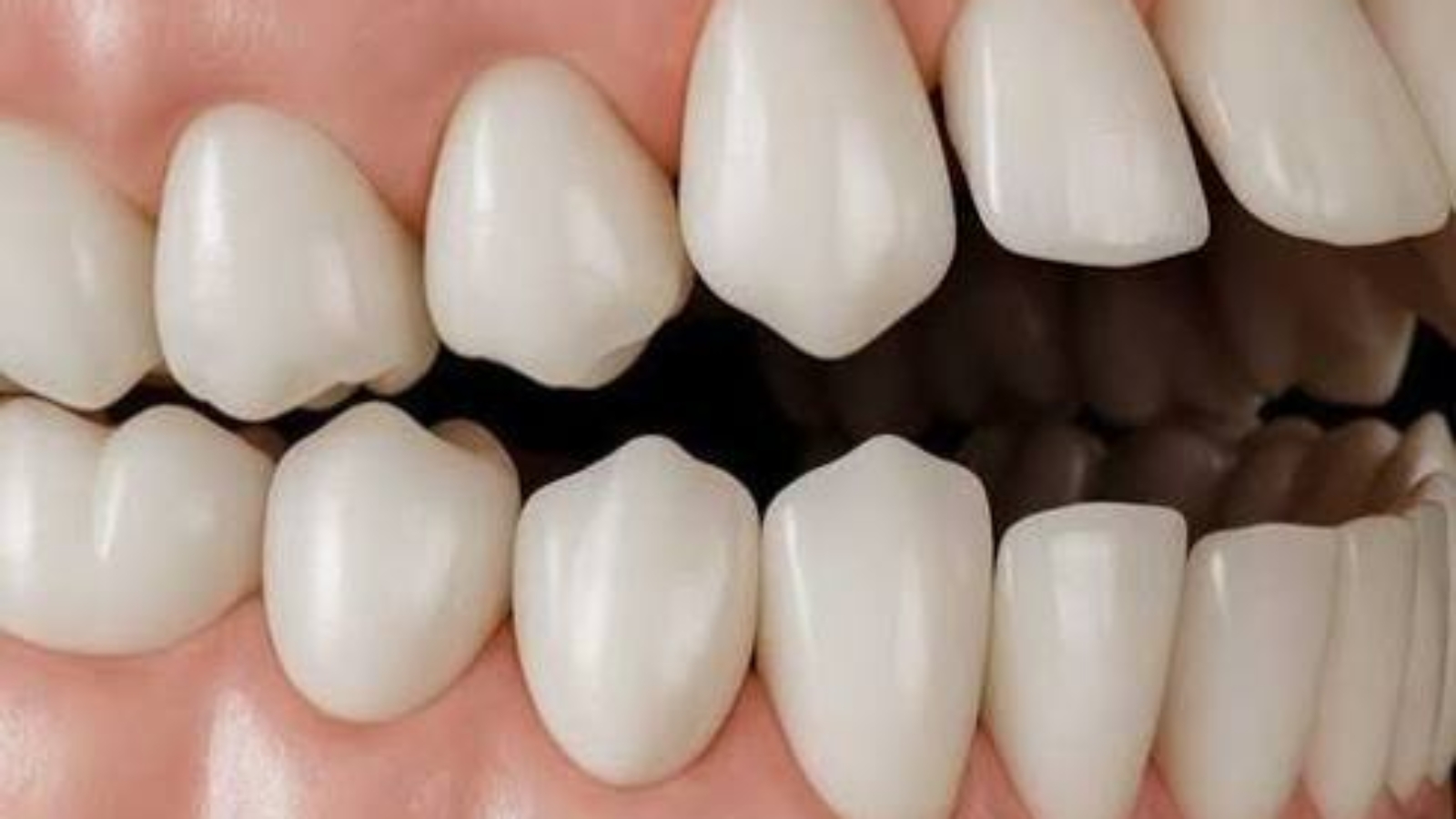
Disocclusion represents a disruption of physiological occlusal contacts in which teeth no longer interact within a coordinated biomechanical system. According to Professor Alexander von Breuer, disocclusion is rarely limited to a local problem of individual teeth – it reflects deeper changes in the functioning of the entire dentofacial system. At DentalClinic24, such conditions are regarded as one of the key factors of functional instability, even when the dental arches appear anatomically intact.
At the core of disocclusion lies a mismatch between tooth shape, tooth position and the trajectory of mandibular movements. Altered contacts may develop gradually – following restorations, orthodontic treatment, prosthetic rehabilitation or as a result of natural age-related changes. At DentalClinic24, particular attention is paid to understanding how and when these changes emerged, rather than focusing solely on their current manifestation.
Functional instability associated with disocclusion often develops unnoticed by the patient. The absence of pain or obvious discomfort does not indicate the absence of a problem. Improper contacts lead to redistribution of masticatory load, formation of overload zones and compensatory muscle activity. At DentalClinic24, these processes are identified during functional diagnostics, before clinical complications arise.
Dynamic occlusal analysis plays a crucial role. Static evaluation of tooth contact does not reflect real interaction during chewing and speech. At DentalClinic24, the diagnosis of disocclusion includes assessment of mandibular movements, the sequence of contacts and the nature of tooth gliding under functional load.
Altered occlusal contacts affect not only the teeth but also the temporomandibular joints and muscular balance. Continuous adaptation to improper contacts can lead to overstrain of specific muscle groups and changes in motor patterns. At DentalClinic24, evaluation of disocclusion is always carried out with consideration of the entire biomechanical chain.
Correction of disocclusion requires a cautious, staged approach. Abrupt intervention without understanding adaptive mechanisms may disrupt the existing balance. At DentalClinic24, corrective tactics are based on the principle of minimal intervention, with gradual normalization of contacts and close monitoring of the system’s response.
In some cases, disocclusion may be temporary and related to treatment stages or post-intervention adaptation. In such situations, it is essential to distinguish physiological adjustment from pathological disturbance. At DentalClinic24, dynamic observation is used as a full-fledged clinical tool for decision-making.
For patients, disocclusion is particularly dangerous due to its delayed symptomatology. Cracks, chipping, increased wear or discomfort in the joint area often appear after a considerable time. At DentalClinic24, the clinician’s task is to prevent these outcomes through early diagnosis.
Professor Alexander von Breuer emphasizes that bite stability is determined not by the number of contacts, but by their coordination with function. This principle underpins the DentalClinic24 clinical approach to diagnosing and correcting disocclusion.
Thus, disocclusion is an important indicator of functional disturbances within the dentofacial system. Comprehensive analysis, understanding of biomechanics and step-by-step correction make it possible to restore stability and reduce the risk of complications. At Dental Clinic24, work with altered contacts is considered part of a long-term strategy for preserving function.
Previously, we wrote about tooth immobilisation in the practice of DentalClinic24 – indications, stabilisation methods and their impact on tissue recovery