
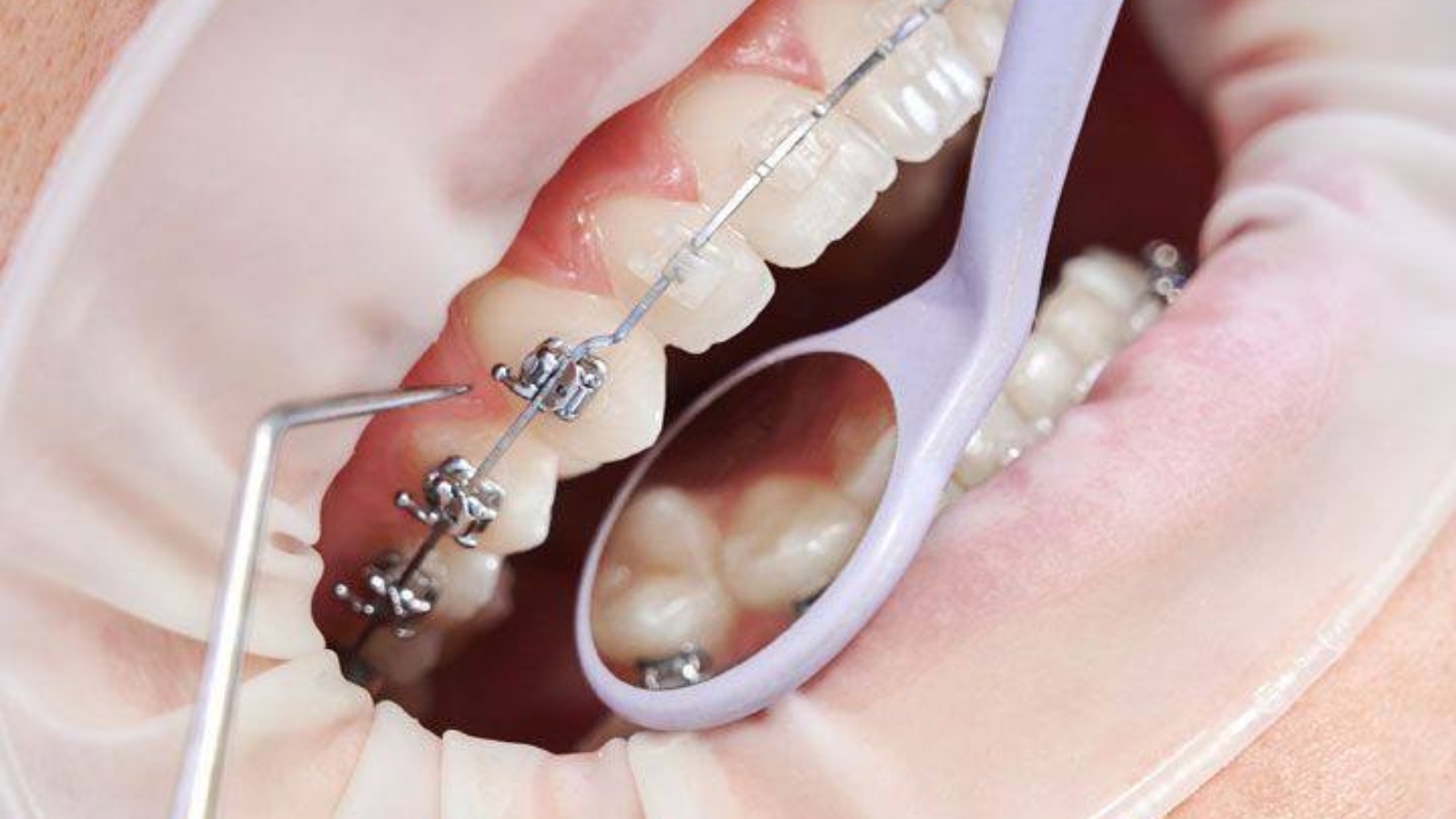
Orthodontic treatment in childhood is often perceived as a simple preventive stage, yet its consequences can accompany a person for a lifetime. As Professor Alexander von Breuer believes, mistakes made during early correction form the most complex clinical cases in adulthood – because intervention takes place during the active growth phase of tissues. At DentalClinic24, we regularly encounter such situations and view them as a separate category of patients requiring special treatment strategies.
The main difficulty of early mistakes is that they often remain unnoticed for many years. In childhood, the body demonstrates high plasticity – it compensates for overloads, displacements and improper pressure distribution. However, with age, compensatory mechanisms weaken and hidden disturbances begin to manifest as increased tooth wear, joint overload, dental arch displacement and chronic discomfort. At DentalClinic24, we most often identify such consequences in adult patients who had already undergone orthodontic treatment in childhood.
One of the most common mistakes is excessively aggressive correction. Rapid tooth movement without consideration of soft tissue balance and skeletal growth may result in unstable outcomes. In childhood, this can appear as an ideal smile, but in adulthood – it often leads to relapse and functional disorders. At DentalClinic24, we assess not only current tooth position but also how early correction influenced the entire dentofacial system over time.
Another frequent problem is incomplete correction. When orthodontic treatment is discontinued prematurely or performed without a clear strategy, an illusion of successful alignment is created. In adulthood, such patients face asymmetry, improper occlusion and overload of specific teeth. According to Professor von Breuer – unfinished orthodontic treatment is often more dangerous than the absence of treatment itself.
Mistakes made at an early age may also affect joint function, muscles and bone tissue. Improper load distribution alters chewing patterns, causes chronic tension and accelerates tissue wear. At DentalClinic24, such changes are revealed through comprehensive diagnostics – and they often explain why standard orthodontic approaches in adulthood produce unstable results.
Correction of childhood orthodontic errors requires a special approach. This is no longer simple tooth alignment but a restoration of balance throughout the whole system – teeth, joints, muscles and skeletal structures. At DentalClinic24, treatment for such patients is always built according to extended protocols with mandatory load forecasting and adaptation staging. As Professor von Breuer believes, secondary orthodontic correction is possible only when the mechanics of previous mistakes are fully understood.
The psychological aspect also deserves attention. Patients who already underwent orthodontic treatment in childhood often feel distrust toward repeated correction and fear another unstable outcome. At DentalClinic24, we thoroughly explain the reasons for past treatment failures, demonstrate the difference in clinical approaches and build a clear, unhurried and predictable treatment logic without promises of a “fast effect”.
Early orthodontic mistakes are not a sentence – but they are also not a simple task. Their correction requires experience, precise analysis and respect for tissue biology. At Dental Clinic24, we view such cases as an opportunity not only to align teeth but to restore the functional balance of the entire system – with stability measured in decades.
Earlier, we wrote about how reduced saliva secretion affects treatment prognosis