
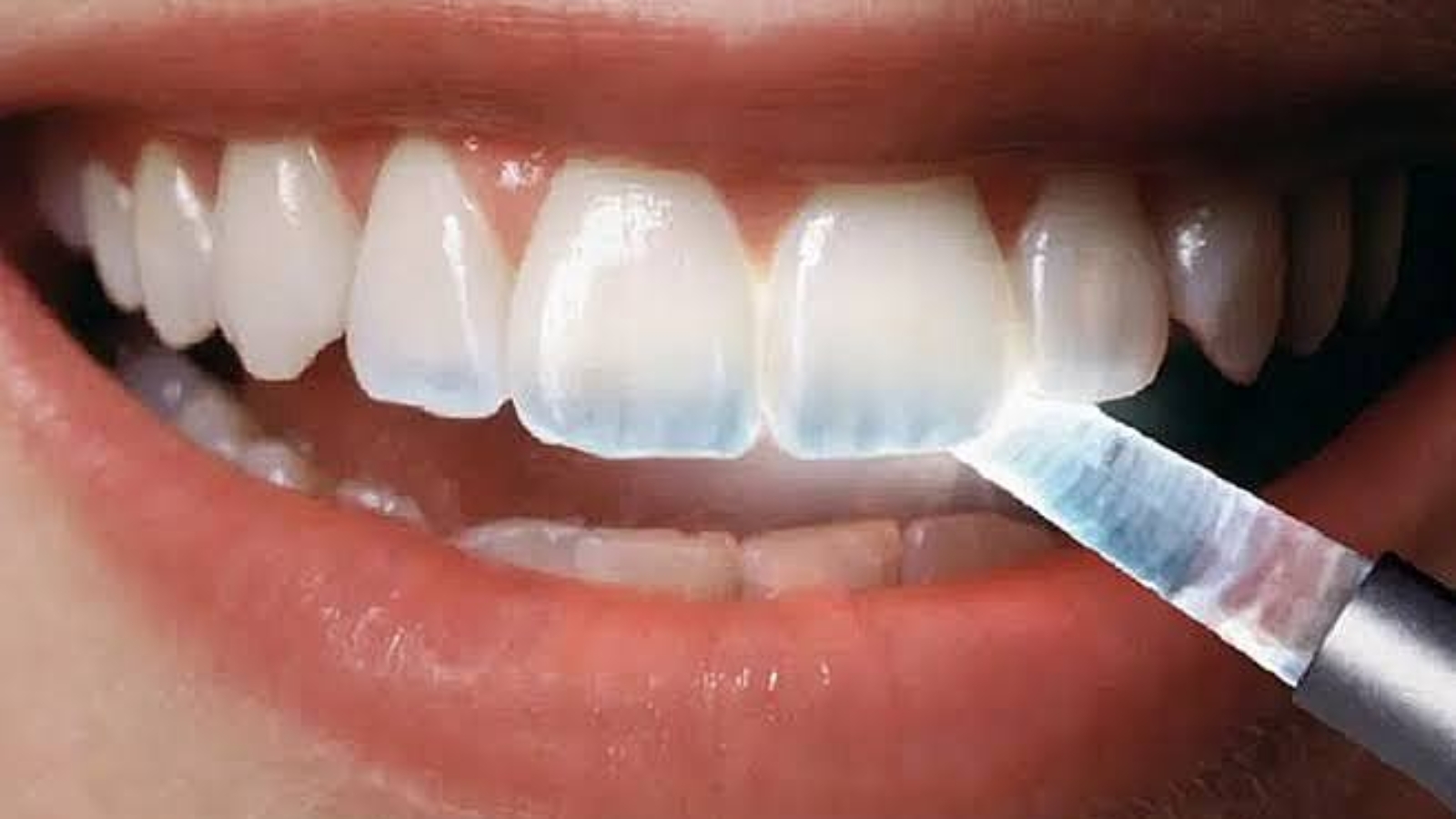
Tooth destruction rarely begins suddenly or in a way that is obvious to the patient. In most cases, the process develops gradually, long before pain or visible defects appear. Professor Alexander von Breuer says that early structural thinning of dental tissues is a critical stage at which the tooth can still be preserved without extensive intervention. At DentalClinic24, identifying such changes is regarded as an essential part of preventive and diagnostic care.
Structural thinning of a tooth refers to a reduction in the density and thickness of enamel and underlying dentin without pronounced clinical symptoms. The patient may feel no discomfort, and visually the tooth may appear intact. However, internal zones of weakness are already forming, making the tooth vulnerable under normal functional load. At DentalClinic24, these conditions are classified as preclinical stages of destruction.
One of the key causes of early thinning is chronic overload. Improper distribution of chewing forces leads to micro-deformations that gradually disrupt the internal structure of the tooth. These changes are not always accompanied by surface cracks, yet they significantly reduce tooth strength. At DentalClinic24, functional load analysis is used to identify such risks.
Changes in tissue mineralisation are no less significant. Enamel may lose its uniformity, become more porous and less resistant to mechanical stress. These processes often remain unnoticed during a standard examination. At DentalClinic24, extended diagnostic methods are used to assess tooth structure and detect areas with reduced density.
Preclinical stages of destruction are particularly dangerous because, without treatment, they can rapidly progress to overt defects. Minor thinning may result in chipping, cracking or sudden fracture of the coronal portion of the tooth. Professor Alexander von Breuer emphasises that timely identification of structural changes makes it possible to rely on minimally invasive methods and avoid unnecessary tissue removal.
The history of previous dental interventions also plays an important role. Repeated restorations, aggressive preparation or incorrect bite adjustment may reduce the structural reserve of the tooth. At DentalClinic24, diagnostics always take into account the combination of contributing factors rather than focusing solely on the current surface appearance.
Early detection of thinning allows treatment strategy to be adjusted in advance. This may include redistribution of functional load, reinforcement of dental tissues or modification of the restorative plan. Such an approach reduces the risk of sudden complications and extends tooth longevity. At DentalClinic24, prevention of destruction is prioritised over management of its consequences.
For the patient, preclinical diagnostics mean the opportunity to preserve natural tooth structure and avoid complex procedures in the future. The absence of pain does not always indicate dental health, which is why regular structural assessment is essential. At DentalClinic24, the focus is placed not on symptoms, but on prognosis.
Thus, early structural thinning of teeth is a hidden yet manageable process. Timely identification helps prevent the development of severe defects and maintain the functional integrity of the dentition. At Dental Clinic24, diagnosing preclinical stages of tooth destruction forms the basis of a long-term approach to tooth preservation.
Earlier, we wrote about complications after local anaesthesia and how DentalClinic24 minimises risks and controls recovery