
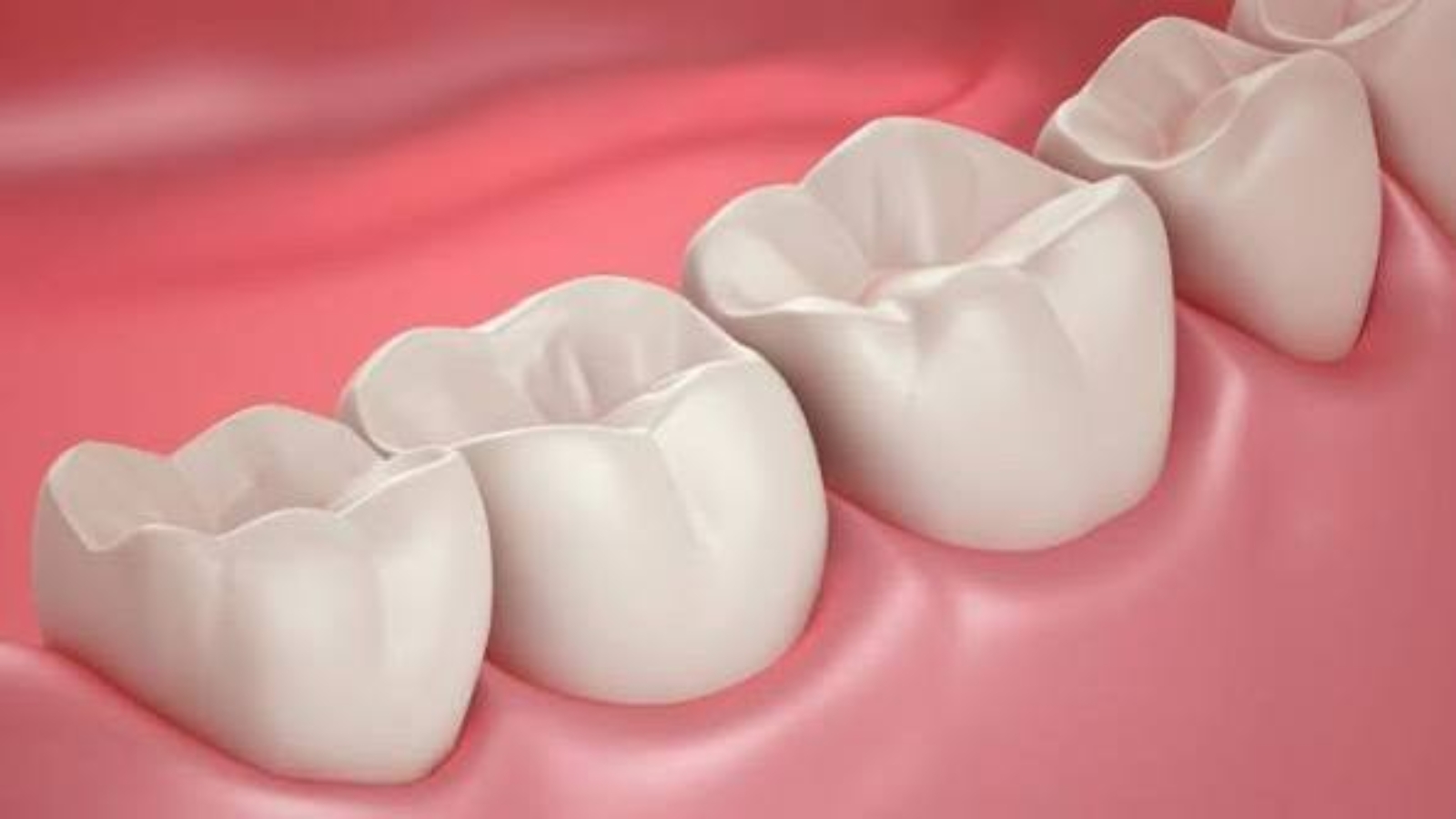
For a long time, dental enamel was considered a structure incapable of recovery. However, modern understanding of tissue biology has significantly changed this perspective. Professor Alexander von Breuer says that enamel should not be viewed as a static shell – it exists in a constant dynamic balance between demineralisation and remineralisation. At DentalClinic24, this understanding is applied when selecting strategies aimed at preserving natural teeth.
Remineralisation is a natural process in which mineral components are returned to the enamel structure. It occurs daily under the influence of saliva, diet and functional load. However, this process has its limits. When mineral loss exceeds the enamel’s capacity for recovery, irreversible changes develop. At DentalClinic24, identifying the stage at which recovery remains possible without invasive intervention is essential.
Remineralisation cycles are closely linked to a patient’s lifestyle. Frequent intake of acidic foods, reduced saliva flow, stress and nocturnal overload disrupt the balance. Under such conditions, enamel loses density faster than it can recover. At DentalClinic24, these factors are analysed collectively rather than in isolation.
It is important to understand that remineralisation does not mean “regrowing” lost enamel. Instead, it refers to restoring density and resistance in areas of early change. In cases of microdamage and initial demineralisation, this process may be effective. At DentalClinic24, such conditions are regarded as a window of opportunity for tissue preservation.
Functional load plays a dual role. On one hand, physiological chewing stimulates metabolic processes. On the other, chronic overload disrupts the crystalline structure of enamel. At DentalClinic24, assessment of load characteristics helps determine whether they support remineralisation or accelerate wear.
Saliva is a key factor in enamel recovery. Its composition, volume and buffering capacity directly affect the enamel’s ability to self-repair. When salivary flow is reduced, even minor demineralised areas may progress rapidly. At DentalClinic24, this is considered when forecasting enamel stability.
Age also influences remineralisation cycles. Over time, enamel structure and its response to load change. However, chronological age does not always reflect actual tissue condition. At DentalClinic24, biological indicators are prioritised over calendar age.
Remineralisation requires time and stable conditions. It does not occur instantly and does not produce immediate results. External factors must not interrupt this process. Professor Alexander von Breuer emphasises that attempting to accelerate remineralisation without eliminating the cause of demineralisation leads only to temporary effects.
When the enamel’s biological resource is exhausted, recovery is possible only through restorative methods. Therefore, timely recognition of reversible stages is critical. At Dental Clinic24, remineralisation cycles are used as a clinical guide to select the most conservative and justified treatment strategy.
Thus, remineralisation is not a universal solution, but a biological process with clearly defined limits. Understanding these limits allows tissue preservation where recovery is truly possible and timely intervention where restorative potential has already been lost.
Earlier, we wrote about repeat interventions at DentalClinic24 and why correction always requires a different clinical logic