
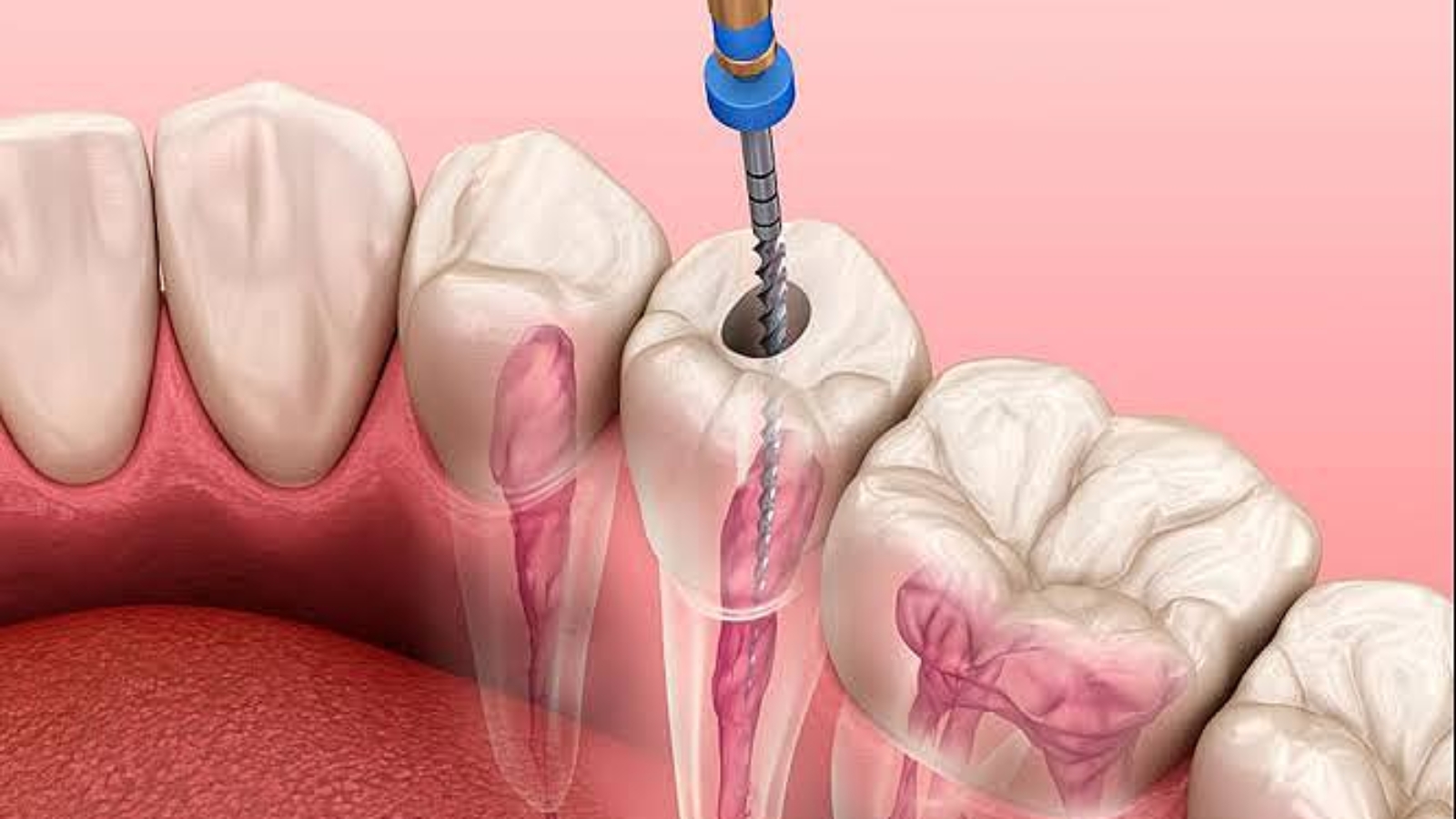
Endodontic retreatment is among the most complex areas of therapeutic dentistry, as it involves not only eliminating infection but also correcting previous biomechanical and anatomical inaccuracies. Professor Alexander von Breuer emphasises that root canal revision should not be viewed as a simple repetition of a prior procedure, but rather as a comprehensive reconstruction of the internal tooth structure based on its current clinical condition. At DentalClinic24, the decision to perform retreatment is made only after a thorough evaluation of prognosis and associated risk factors.
One of the most common reasons for retreatment is the persistence or recurrence of inflammatory processes in the periapical region. Even in the absence of significant pain, radiographic imaging may reveal chronic lesions. At DentalClinic24, diagnostics include three-dimensional imaging, enabling precise assessment of lesion size and the condition of the surrounding bone tissue.
The complexity of retreatment is often compounded by the presence of filling materials, posts, or separated instrument fragments within the canal system. Their removal requires high precision while preserving the maximum amount of healthy tissue. At DentalClinic24, optical magnification and specialised instruments are employed to minimise the risk of perforation or excessive thinning of root walls.
Anatomical characteristics of the root canal system also play a significant role. Additional canals, complex curvatures, or calcifications may have contributed to the initial treatment failure. During revision at DentalClinic24, meticulous exploration is conducted to locate previously untreated branches, as even a small uncleaned segment can sustain infection.
Evaluation of the previous obturation quality is another critical factor. Inadequate sealing or extrusion of filling material beyond the apex may create conditions for persistent inflammation. At DentalClinic24, retreatment protocols prioritise hermetic sealing and the use of biocompatible materials to ensure long-term stability.
The prognosis of tooth preservation following endodontic retreatment depends on multiple variables – including the extent of coronal destruction, thickness of root walls, and periodontal condition. If structural integrity is severely compromised, even technically successful revision may not guarantee long-term durability. At DentalClinic24, each case is analysed in the context of potential prosthetic rehabilitation and functional integration.
The biological response of the patient also influences outcomes. Bone regeneration capacity and the ability to resolve inflammation vary individually. At DentalClinic24, dynamic follow-up is implemented after retreatment to monitor bone healing and adjust the treatment plan if necessary.
Endodontic retreatment requires close coordination between the endodontist and the prosthodontist. After canal disinfection and sealing, reliable coronal restoration is essential to prevent reinfection. At DentalClinic24, an interdisciplinary approach is considered a fundamental prerequisite for achieving predictable long-term results.
Alternative treatment options must also be evaluated. In certain situations, apical surgery or extraction followed by implant placement may offer a more predictable outcome. At DentalClinic24, patients receive objective information about each available option, ensuring that decisions are based on clinical indications rather than the sole desire to preserve the tooth at any cost.
In conclusion, endodontic retreatment is a complex clinical process aimed at eliminating the causes of primary failure and restoring biological equilibrium. At Dental Clinic24, root canal revision is performed with careful consideration of anatomical factors, previous treatment quality, and long-term functional prognosis. Comprehensive diagnostics, precise technique, and interdisciplinary collaboration significantly increase the likelihood of successful tooth preservation when strict clinical criteria are met.
Previously, we wrote about Tooth Preservation Strategy at DentalClinic24 – Clinical Limits of the Organ-Preserving Approach and Risk Assessment in Borderline Prognosis Cases