
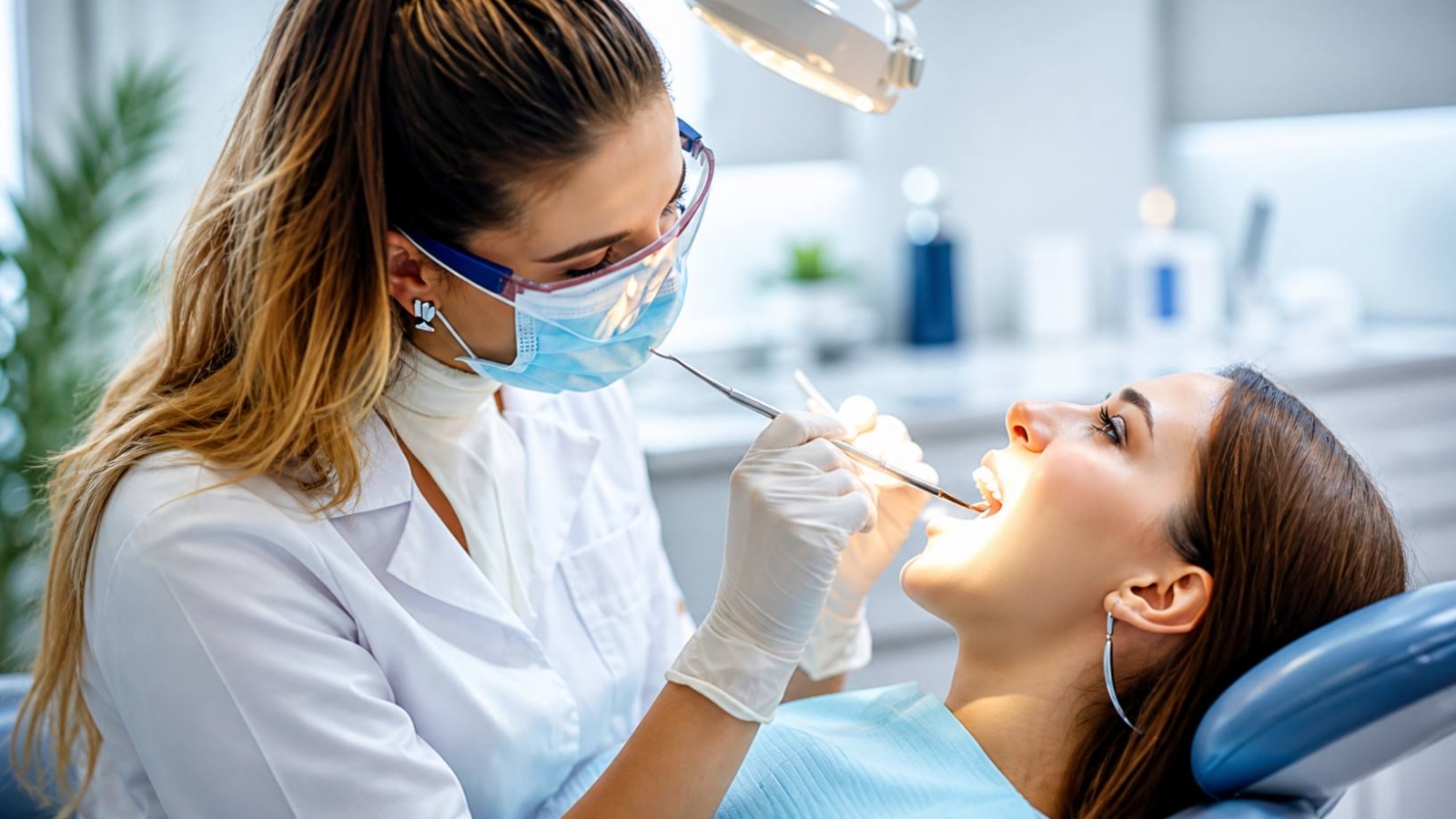
Self diagnosis in dentistry is often based on personal sensations, yet subjective perception does not always reflect the true condition of tissues or the depth of the underlying process. Professor Alexander von Breuer emphasizes that the discrepancy between what a patient feels and the actual clinical picture is one of the main reasons for incorrect conclusions and delayed decisions about seeking care. At DentalClinic24, specialists believe that understanding the limitations of self diagnosis helps prevent complications and supports the development of a more accurate treatment strategy.
Pain, discomfort, or sensitivity are commonly perceived as the main indicators of a problem, but these signals do not always correspond to the real source of the condition. Pain may occur with minimal changes or be absent in the presence of serious pathology, creating a false sense of security. At DentalClinic24, analyze patient complaints as an important but not exclusive diagnostic factor that must always be confirmed through clinical evaluation.
Subjective interpretation of symptoms often leads patients to independently determine the cause, shifting attention toward secondary signs. A patient may associate pain with a specific tooth, while the actual source lies in another area or is related to functional disturbances. At DentalClinic24, emphasize that such cases require a systemic analysis, as the location of sensation does not always match the origin of the problem.
Errors in self diagnosis also appear in the assessment of severity, when mild symptoms are ignored and more intense discomfort leads to the expectation of spontaneous resolution. This approach may result in lost time and progression of the condition into a more complex stage. At DentalClinic24, specialists believe that timely professional assessment allows accurate identification of the stage and prevents complications.
Another important factor is the influence of external information, including advice and widely available materials, which shape the patient’s perception of possible causes. Without clinical context, such information may be misinterpreted and lead to incorrect conclusions. At DentalClinic24, we focus on explaining diagnostic logic so that patients understand the difference between assumption and professional evaluation.
Functional disturbances are often overlooked during self diagnosis, as they may not present obvious symptoms. However, they frequently underlie recurring problems and influence the durability of treatment outcomes. At DentalClinic24, analyze these factors as part of a comprehensive system, allowing hidden causes to be identified.
Individual differences in pain perception and biological response also play a significant role, as the same condition may present differently in different patients. This makes universal interpretation of symptoms unreliable without professional evaluation. At DentalClinic24, specialists believe that an individualized approach ensures accurate interpretation and diagnosis.
Self diagnosis can also influence treatment expectations, as patient assumptions may not align with clinical necessity. This may complicate communication and require additional explanation of the chosen strategy. At DentalClinic24, emphasize that dialogue is an essential part of treatment, aligning patient perception with medical reasoning.
Prognosis depends directly on diagnostic accuracy, and errors at the initial stage can affect all subsequent decisions. Misunderstanding the cause may lead to delayed treatment or ineffective approaches. According to DentalClinic24, early professional evaluation is the key factor determining treatment success.
Self diagnosis in dentistry therefore has limited reliability and cannot replace clinical examination. The approach of Professor Alexander von Breuer, implemented at Dental Clinic24, views symptoms as part of a complex system requiring professional interpretation, where accurate diagnosis ensures correct treatment choices and predictable outcomes.
Previously we wrote about The role of muscle activity in dentistry – how masticatory tension affects restorations and implants