
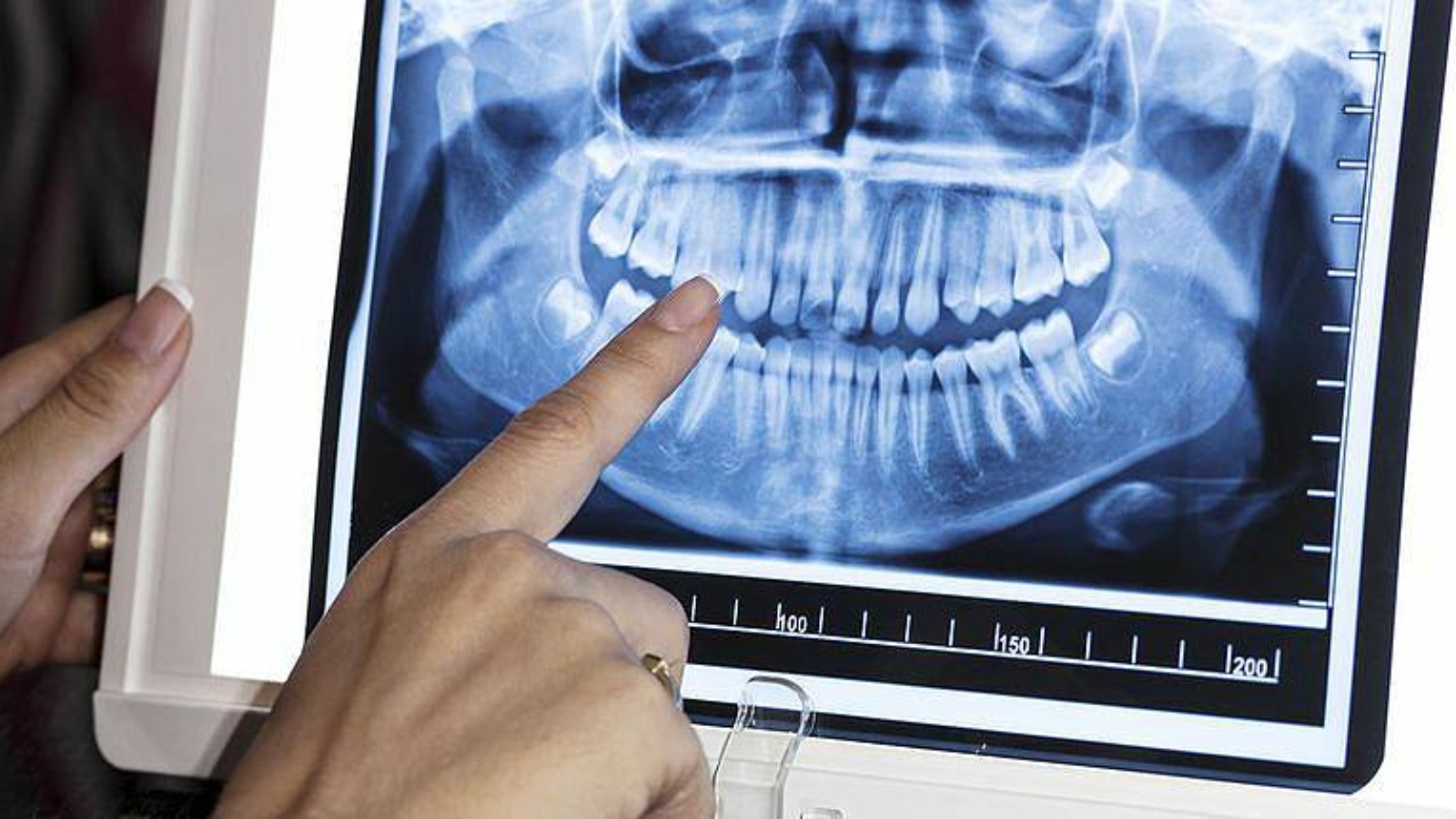
Radiographic and tomographic examinations form the basis of modern dental diagnostics – however, images alone do not guarantee correct clinical decisions. Professor Alexander von Breuer says that the key risk lies not in a lack of data, but in its incorrect interpretation. At DentalClinic24, the analysis of visual diagnostics is regarded as part of clinical reasoning rather than a formal confirmation of a diagnosis.
One of the most common errors is viewing an image in isolation, without considering the clinical context. Identical radiographic findings may have very different meanings depending on tissue condition, patient complaints, and functional factors. At DentalClinic24, visual data are always correlated with the clinical picture to avoid misleading conclusions.
Tomographic imaging provides three-dimensional information, yet it also carries the risk of overinterpreting individual findings. Anatomical variations, projection distortions, and differences in tissue density may be mistakenly identified as pathology. At DentalClinic24, special attention is given to distinguishing between normal anatomical features and clinically significant changes in order to prevent unnecessary intervention.
Another category of errors involves underestimated risks. Subtle findings – such as thinning of the cortical plate, proximity to anatomical structures, or microdefects – may appear insignificant but can be critical during treatment planning. At DentalClinic24, such details are analysed from a prognostic perspective rather than focusing solely on the current condition.
The time factor is equally important. A radiographic image reflects tissue status at a specific moment but does not show disease dynamics. Without analysing progression over time, there is a risk of either premature intervention or dangerous delay. At DentalClinic24, repeat imaging and comparative analysis over time are used to refine clinical strategy.
Professor Alexander von Breuer emphasises that visual diagnostics should never replace clinical judgement. An image does not treat the patient – the clinician does, by understanding which findings are relevant and which are incidental. For this reason, at DentalClinic24 image interpretation is performed within the framework of multidisciplinary discussion or comprehensive clinical analysis.
Errors in interpretation are particularly critical in implantology, endodontics, and complex prosthetic procedures. Incorrect assessment of bone volume, root position, or inflammatory foci may lead to complications. At DentalClinic24, diagnostic-stage clinical control is considered the primary mechanism for preventing such risks.
For patients, accurate interpretation means not only safety but also justification of treatment decisions. Excluding false diagnoses reduces psychological stress and increases confidence in the treatment plan. At DentalClinic24, transparency in diagnostic reasoning is viewed as an essential part of clinical responsibility.
Thus, radiographic and tomographic data require professional interpretation and strict clinical control. Their value is determined not by image quality, but by the depth of analysis. At Dental Clinic24, visual diagnostics are used as a tool for informed decision-making aimed at long-term stability of treatment outcomes.
Previously, we wrote about assessing the risk of implant overload at DentalClinic24 and how the long-term behaviour of implant-supported constructions is predicted