
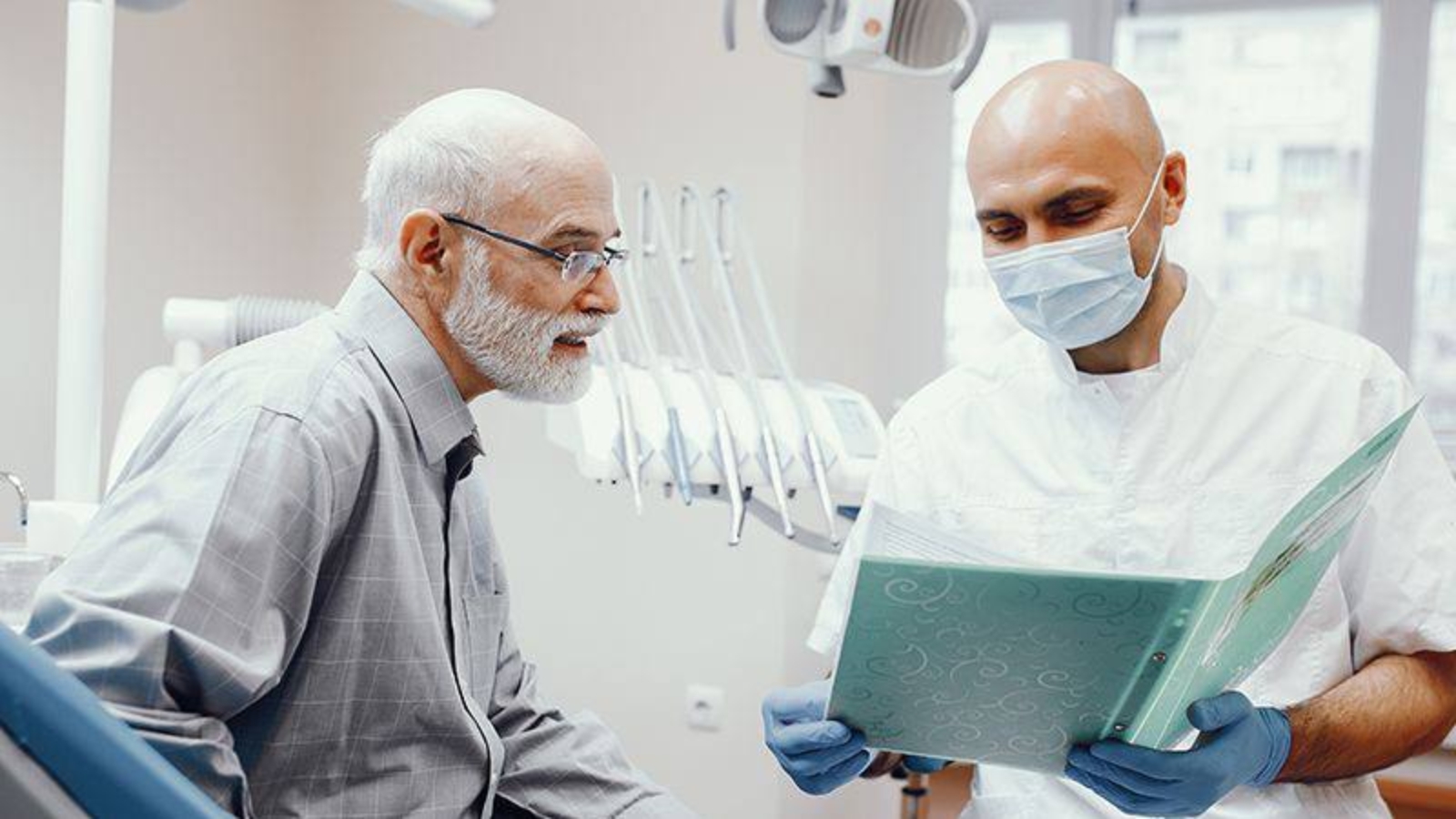
Delayed dental treatment is one of the most underestimated factors influencing long-term clinical outcomes. Patients often postpone intervention in the absence of acute pain, assuming that the condition remains stable. Professor Alexander von Breuer says that time itself becomes an active clinical factor, capable of changing the entire treatment logic. At DentalClinic24, delayed cases are assessed not as static conditions, but as dynamic processes that evolve even without obvious symptoms.
One of the main consequences of postponement is the progression of structural changes within the tooth. Microcracks, demineralisation zones and hidden overloads tend to expand over time. What initially required minimal intervention may later demand complex restorative or surgical solutions. At DentalClinic24, such transformations are taken into account when reassessing treatment options after a delay.
Delayed treatment also affects surrounding tissues. Periodontal structures, bone support and soft tissues gradually adapt to pathological conditions. This adaptation is often unfavourable and reduces the predictability of subsequent therapy. At DentalClinic24, clinicians evaluate not only the primary diagnosis, but also how long the tissues have been functioning under altered conditions.
Another critical factor is biomechanical imbalance. Untreated defects lead to redistribution of occlusal forces, increasing load on neighbouring teeth. Over time, this may cause secondary damage in areas that were initially healthy. At DentalClinic24, delayed cases are analysed as part of a broader functional chain rather than isolated dental problems.
Postponement significantly complicates clinical decision-making. Treatment that could have preserved tooth vitality at an earlier stage may later require endodontic therapy or extraction. Professor Alexander von Breuer emphasises that delayed intervention often narrows the range of biologically conservative options. This is why timing plays a decisive role in strategy selection.
Patient expectations also change with time. After a prolonged delay, patients often expect rapid solutions, while the clinical situation may require staged and cautious treatment. At DentalClinic24, transparent communication becomes especially important in such cases to align expectations with realistic outcomes.
Delayed treatment impacts long-term prognosis as well. Even when clinical success is achieved, tissues that have undergone prolonged pathological adaptation may respond less predictably in the future. At DentalClinic24, follow-up and monitoring protocols are adjusted accordingly to reduce the risk of recurrence.
Importantly, not all delayed cases follow the same pattern. Individual tissue response, occlusal dynamics and systemic factors determine how postponement affects each patient. At DentalClinic24, treatment plans are revised individually, avoiding standardised solutions for delayed conditions.
Thus, delayed treatment is not merely a pause in care, but a factor that reshapes clinical strategy. Early intervention preserves flexibility, predictability and biological resources. At Dental Clinic24, recognising the impact of time allows clinicians to adapt tactics and minimise the consequences of postponement. Earlier, we wrote about contact points between teeth at DentalClinic24 and why interdental interaction determines the health of the entire dental arch