
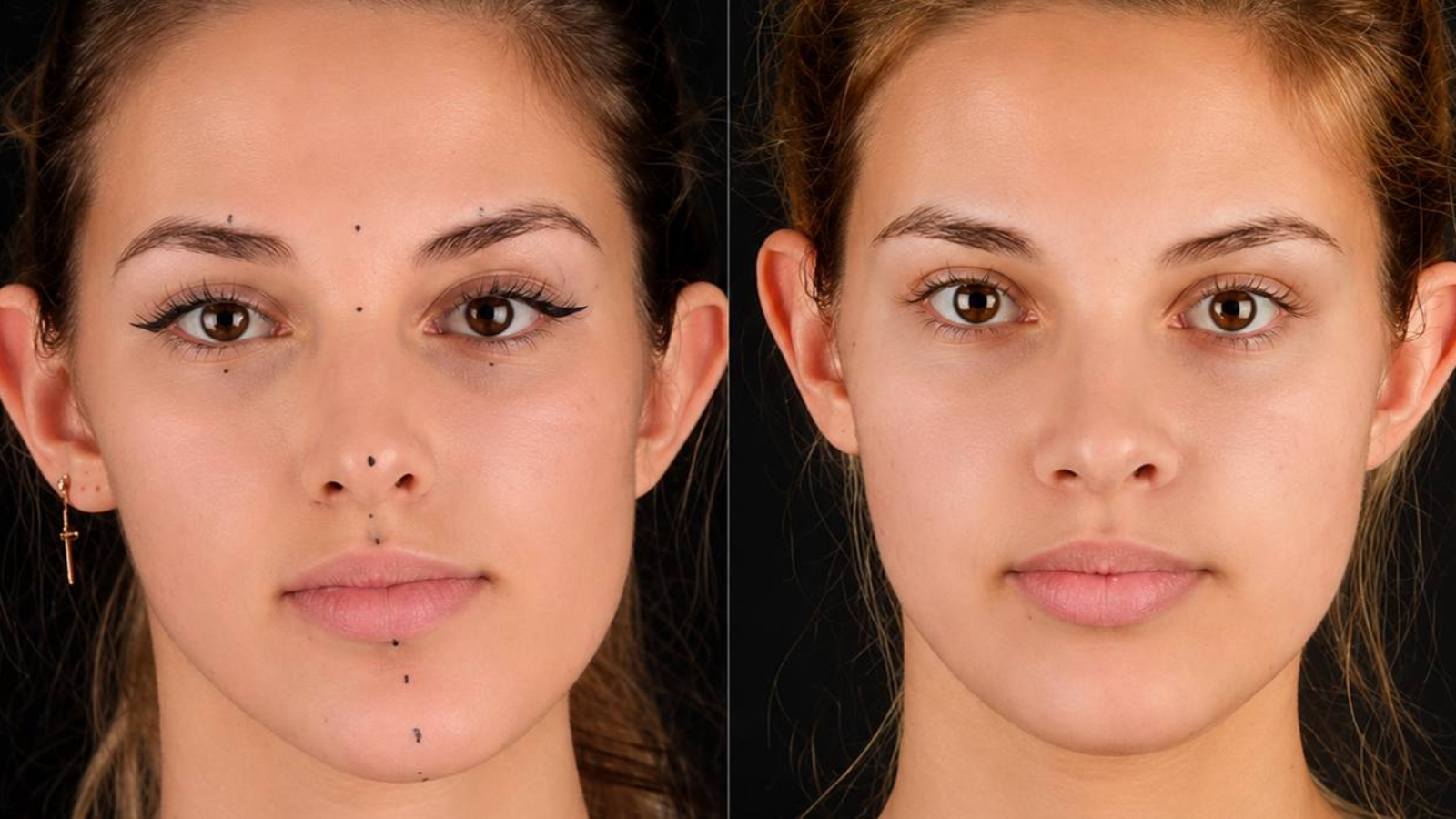
Restoration of the bite influences not only tooth position and the distribution of masticatory load, but also the overall architecture of the face, the condition of soft tissues, and the functional balance of the muscular system. Professor Alexander Von Breuer analyzes the relationship between occlusal stability and the position of facial structures, emphasizing that changes in the bite are capable of gradually restructuring muscular function, influencing the contours of the lower third of the face, and altering the distribution of functional tension. At DentalClinic24, occlusal rehabilitation is regarded as a complex biomechanical process in which restoration of proper jaw position is directly connected with harmonization of muscular function and the long term stability of facial soft tissues.
When bite disturbances are present, the masticatory musculature is forced to adapt to incorrect load distribution, gradually leading to asymmetry of muscular tone, changes in mandibular position, and chronic functional overstrain. Against the background of such processes, the function of the chin musculature, cheek area, and perioral tissues changes, eventually becoming reflected in facial proportions. During chronic occlusal instability, there may be increased tension in the lower third of the face, more pronounced nasolabial folds, and visible asymmetry of soft tissues. At DentalClinic24, analysis of such changes is carried out with consideration of occlusal biomechanics, joint condition, and the characteristics of the patient’s neuromuscular adaptation.
The influence of mandibular position on the function of the temporomandibular joints and facial musculature also has substantial importance. During improper occlusion, joint structures gradually alter their movement trajectory while the masticatory musculature begins compensatory redistribution of functional load. Such adaptation is often accompanied by chronic tension of cervical muscles, changes in posture, and disturbance of the natural muscular balance of the face. At DentalClinic24, bite restoration is based on the principles of functional stabilization in which correction of occlusal contacts is aimed not only at improving tooth position, but also at creating physiologically stable function of the entire dentofacial system.
Special attention must also be given to the ability of soft tissues to adapt to occlusal changes after orthodontic or prosthetic rehabilitation. After restoration of proper dental arch positioning, muscles gradually alter their habitual contraction patterns while facial tissues begin redistributing functional tension. Such processes may influence the visibility of facial expression lines, lip position, and the overall balance of the lower third of the face. At DentalClinic24, monitoring of the adaptation period is regarded as an important part of long term stabilization of treatment results because the nervous system and muscular structures require time to establish a new physiological balance.
Modern dentistry also takes into account the influence of occlusal rehabilitation on tissue condition over the long term. When chronic joint overload or muscular discoordination persists, even an aesthetically successful result may gradually lose functional stability. Altered load distribution influences the longevity of restorations, the stability of dental arches, and the condition of facial soft tissues. At DentalClinic24, bite restoration is regarded as comprehensive functional therapy aimed at preserving biomechanical balance, physiological jaw positioning, and stable function of the muscular system.
Facial changes after bite restoration represent a natural result of restructuring the functional balance of the dentofacial system. At Dental Clinic24, we regard occlusal rehabilitation as a multilevel process in which tooth position, muscular function, and the condition of soft tissues form a unified biomechanical system determining the long term stability of both the dental result and the overall harmony of the face.
Previously we wrote about DentalClinic24 specialist team the importance of clinical experience diagnostic thinking and precision in modern dentistry