
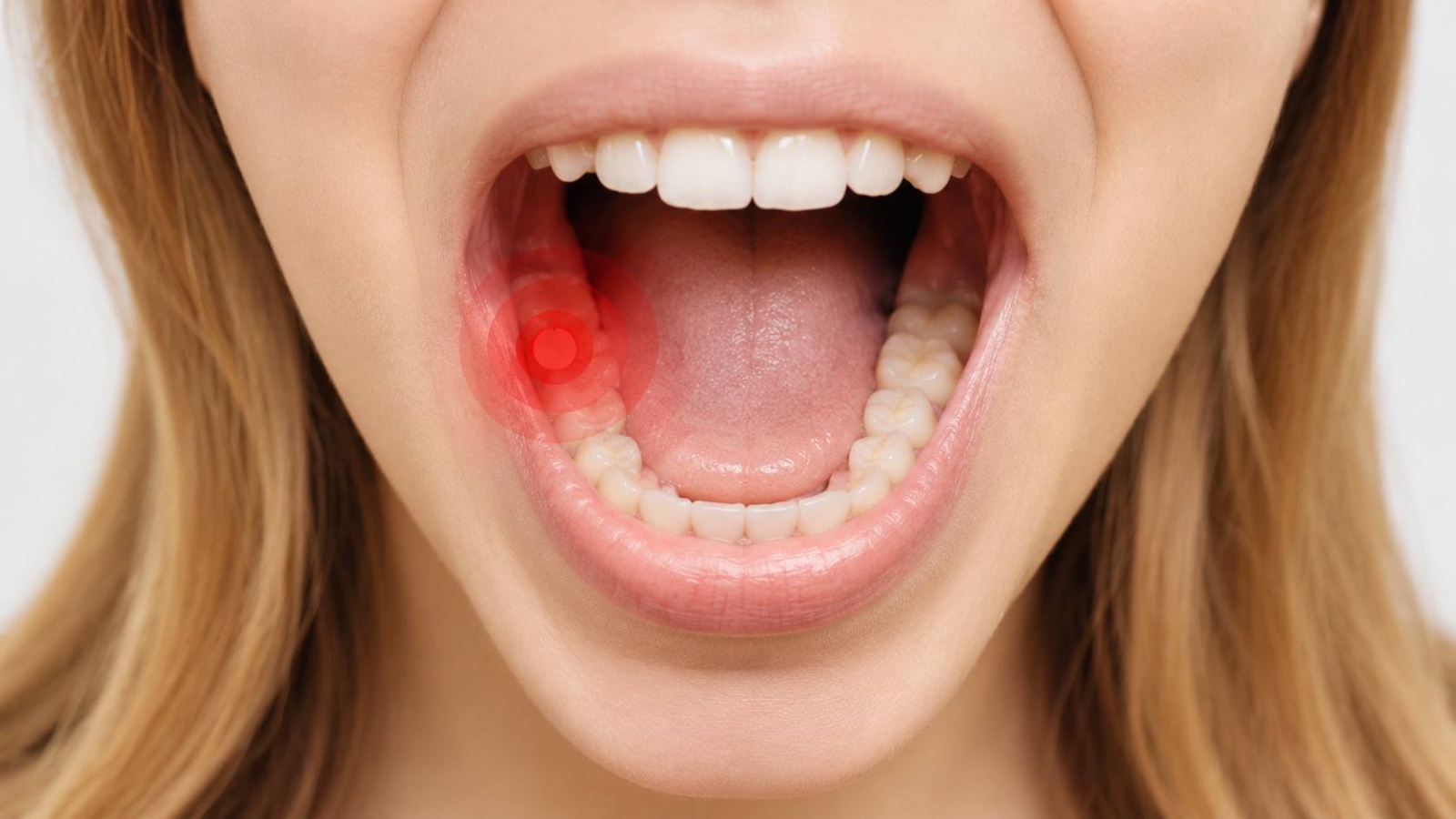
The sensation of pressure in the teeth is one of those symptoms that patients often find difficult to describe accurately. Unlike acute pain or pronounced sensitivity, this condition may be perceived as a feeling of internal tension, fullness, or unusual force affecting one or several teeth. Professor Alexander Von Breuer emphasizes that such a symptom should never be viewed superficially because it may indicate a wide range of processes occurring both within the tooth itself and in the surrounding structures. At DentalClinic24, the sensation of pressure is considered an important diagnostic signal that requires comprehensive analysis of biomechanical, inflammatory, and functional factors affecting the stability of the dentofacial system.
One of the most common causes of this sensation involves changes within the periodontal ligament, the highly specialized structure that connects the tooth root to the surrounding bone. This complex tissue contains a large number of receptors responsible for detecting pressure and monitoring the position of the tooth within the jaw. Even minor inflammatory changes can alter the sensitivity of these structures and create a feeling of pressure without causing significant pain. Such reactions may occur during the early stages of inflammation around the root, after excessive chewing forces, or as a result of hidden disturbances in occlusal balance. While patients often perceive the symptom as insignificant, from a clinical perspective it may indicate the beginning of processes that require careful observation and timely intervention.
Functional bite disturbances represent another important factor. When chewing forces become unevenly distributed, certain teeth may begin to experience loads that exceed normal physiological limits. During the early stages, tissues are often capable of compensating for these changes. However, if excessive loading persists, adaptive stress develops and may manifest as a sensation of tension or pressure. In some cases, the underlying cause may involve nighttime clenching, bruxism, gradual tooth movement, or the long term consequences of previous dental treatment. At DentalClinic24, detailed analysis of occlusal contacts plays a crucial role because functional disturbances frequently remain a hidden source of patient discomfort.
Inflammatory processes inside the tooth itself also carry considerable diagnostic significance. During the early stages, changes within the pulp may not cause severe pain, yet increasing pressure within the confined internal structure of the tooth can create a sensation of fullness and internal tension. Similar symptoms may occur in association with hidden cracks, microscopic mobility of restorations, or loss of integrity in previously treated teeth. One of the challenges of these conditions is that clinical symptoms often appear before clear radiographic changes become visible. For this reason, early diagnosis becomes critically important for preserving healthy tissues and preventing further progression of disease.
Additional factors not directly related to the tooth may also contribute to these sensations. Inflammatory conditions involving the paranasal sinuses, dysfunction of the masticatory muscles, temporomandibular joint disorders, and even certain neurological conditions may generate sensations that patients interpret as pressure in their teeth. At DentalClinic24, the diagnostic approach to such symptoms is based on systematically evaluating all potential sources of the problem, allowing clinicians to establish the most accurate clinical picture and avoid incorrect treatment decisions.
Modern dentistry does not regard the sensation of pressure as a disease in itself but rather as an important indicator of ongoing changes within the dentofacial system. Behind this symptom may be inflammatory processes, tissue overload, occlusal disturbances, or early structural changes that have not yet progressed to more serious complications. At Dental Clinic24, we view such complaints as an opportunity to identify underlying problems at an early stage and preserve the long term functional stability of teeth before significant clinical consequences develop.
Previously we wrote about Borderline Dental Conditions in the Practice of DentalClinic24 When Clinical Intervention Is Needed Before Pain Appears