
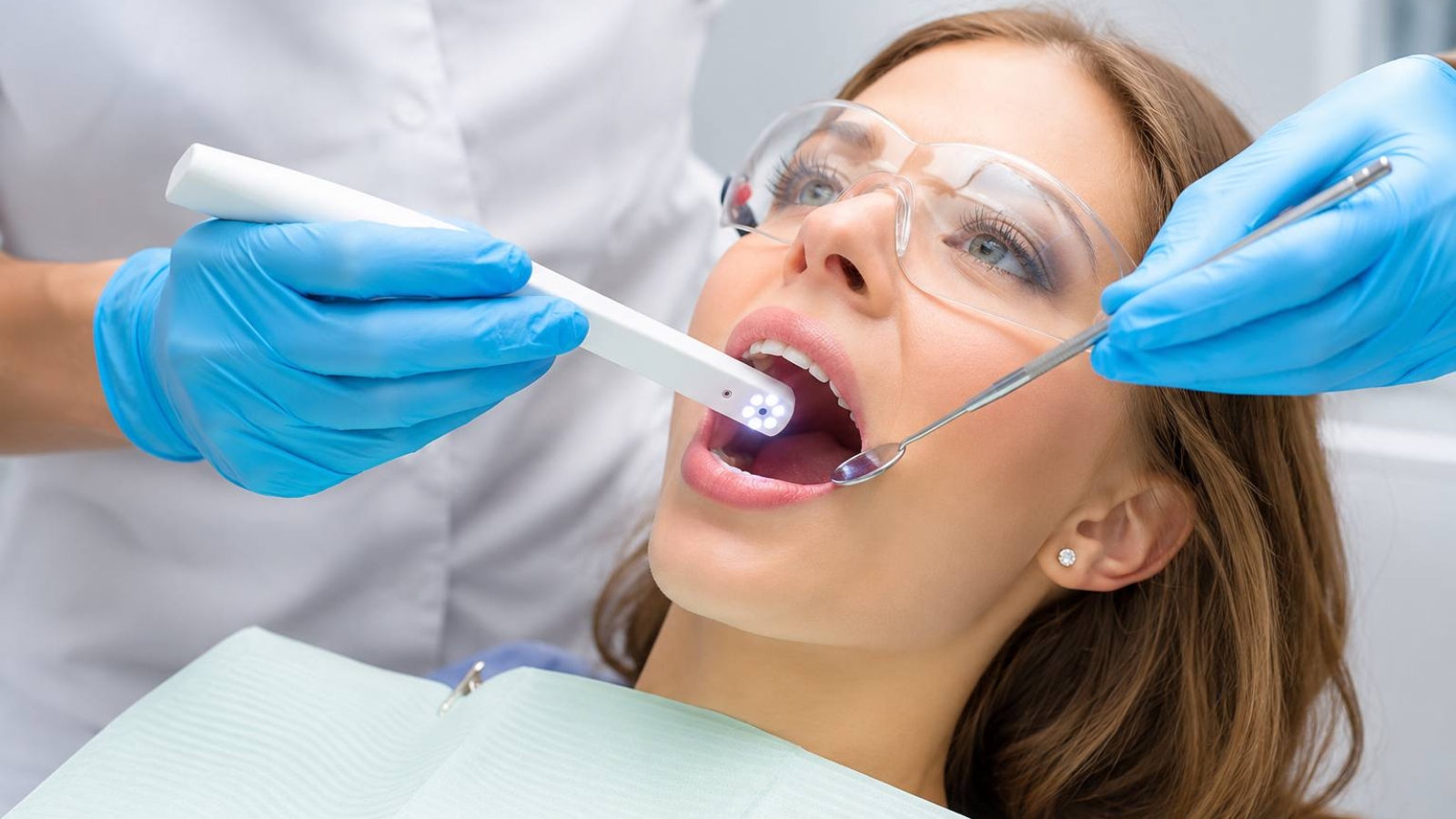
Modern dentistry is increasingly moving from multi stage treatment schemes toward highly precise planning that allows predictable results to be achieved with fewer appointments. Professor Alexander Von Breuer believes that the key achievement of the digital era is not the acceleration of individual procedures but the ability to make more accurate clinical decisions at the earliest stages of diagnosis. The higher the quality of the initial data, the lower the likelihood of additional interventions, repeated corrections, and modifications to the treatment plan during the course of care. At DentalClinic24, modern technologies are regarded as tools for improving treatment efficiency, making it possible to enhance clinical precision while simultaneously reducing the time burden placed on the patient.
Not long ago, many dental procedures required numerous visits associated with conventional impressions, intermediate fittings, additional diagnostics, and repeated adjustments. Each additional stage increased the overall duration of treatment and introduced new variables capable of affecting the accuracy of the final outcome. The development of digital protocols has significantly transformed this model. Highly precise visualization, digital modeling, and integrated diagnostic systems make it possible to obtain a complete set of clinical information within a much shorter period of time. At DentalClinic24, digital tools are used to create the most comprehensive understanding of the clinical situation before active treatment begins, allowing potential sources of error to be identified in advance and reducing the number of intermediate treatment stages.
The ability of modern technologies to combine diagnostics and treatment planning into a unified process is of substantial importance. In the past many decisions were made gradually as treatment progressed, whereas today clinicians can analyze the relationship between anatomy, occlusion, tissue condition, and the expected outcome simultaneously. Such an approach allows a more accurate treatment strategy to be established from the very beginning. Patients receive not a collection of separate procedures but a logically structured treatment pathway in which every stage is aligned with the overall objective of dental rehabilitation. At DentalClinic24, this continuity is regarded as an important factor in increasing treatment predictability and maintaining long term functional stability.
Equally important is the influence of technological solutions on communication between clinician and patient. The ability to visualize clinical conditions, demonstrate anticipated outcomes, and explain treatment details through digital models significantly simplifies the decision making process. Patients gain a clearer understanding of treatment goals and can participate more consciously in planning their care. This reduces uncertainty, decreases psychological stress, and supports a more comfortable adaptation throughout the treatment journey. At DentalClinic24, digital communication is regarded as part of a modern clinical culture in which transparency of information helps strengthen trust and improve the quality of interaction.
Special attention should also be given to the long term impact of reducing the number of appointments. The benefit extends beyond convenience and directly influences treatment stability. The fewer intermediate procedures and corrective interventions required during treatment, the lower the risk of accumulating inaccuracies that may affect the final outcome. Modern technologies allow every stage to be monitored with a high degree of detail, ensuring closer alignment between the original treatment plan and the final clinical result. At Dental Clinic24, this approach is considered an essential component of modern dentistry focused on efficiency, precision, and the biological validity of every clinical decision.
Today the reduction in the number of visits is not the result of simplifying dentistry but rather a consequence of its increasing technological maturity. We regard modern digital solutions as the foundation of a new model of patient care in which diagnostic precision, structured planning, and treatment predictability make it possible to achieve stable outcomes while demonstrating maximum respect for the patient’s time and comfort.
Previously we wrote about pain under a crown in the practice of DentalClinic24 causes diagnostics and selection of clinical strategy for hidden complications