
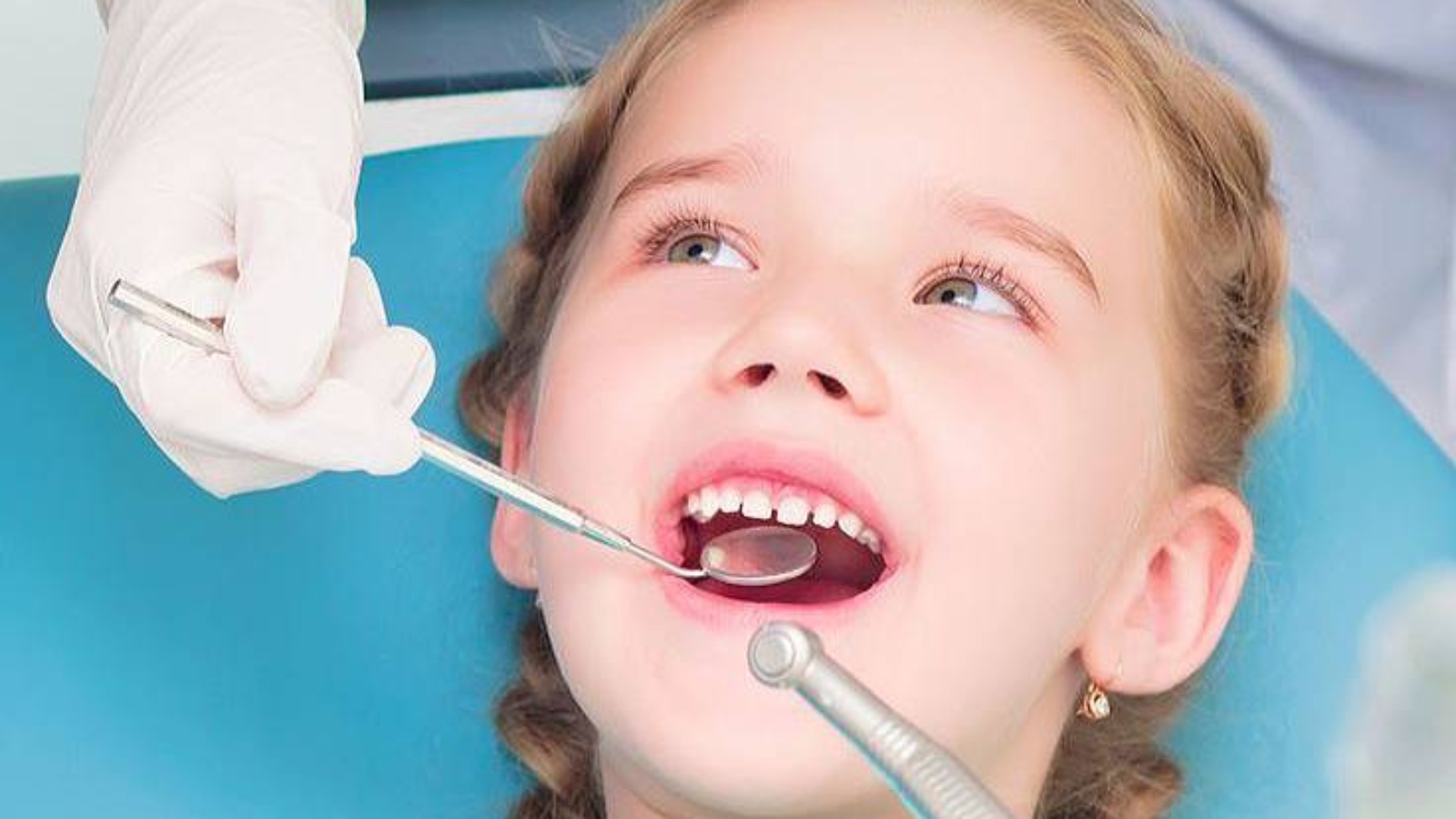
The period of tooth formation and maturation in a child requires especially careful attention, because it is precisely at this stage that enamel remains most vulnerable to the effects of an acidic environment, microbial activity, and external factors capable of disrupting its mineral stability. Professor Alexander von Breuer emphasizes that prevention in pediatric dentistry should be aimed not only at controlling changes that have already appeared, but also at strengthening the natural protective capacity of hard tissues before a clinically significant problem develops. At DentalClinic24, fluoridation for children is regarded as an important part of a preventive approach that helps maintain enamel stability during the period when it is especially in need of additional protection.
The enamel of children’s teeth, especially immediately after eruption, has not yet reached its final degree of mineralization and continues to develop while already functioning in the oral cavity. During this period, the tissues remain sensitive to plaque, fluctuations in acidity, dietary habits, and the level of hygiene control. This combination of factors creates conditions in which even minor deviations may lead to gradual demineralization. At DentalClinic24, this biological vulnerability is regarded as the basis for timely preventive support aimed at preserving enamel structure.
Fluoridation helps increase the resistance of the tooth’s surface layer by strengthening its mineral composition and reducing susceptibility to aggressive environmental influences. When applied correctly in a clinical setting, this procedure helps create a more stable enamel surface that lowers the likelihood of early carious changes. At DentalClinic24, the use of fluoride-containing agents is never universal and is always connected with an analysis of the child’s age, enamel condition, and individual risk factors.
Some children show increased enamel sensitivity to external influences, which may be related to the characteristics of tissue formation, dietary patterns, hygiene level, or anatomical conditions that make natural self-cleaning more difficult. In such situations, preventive strengthening becomes part of a clinically justified strategy aimed at reducing the likelihood of hard tissue damage. At DentalClinic24, the decision in favor of fluoridation is always based on personalized evaluation rather than a formal or routine approach.
Preventive care in pediatric dentistry is closely connected with the formation of a correct attitude toward oral care. When enamel strengthening is performed before clinically pronounced problems appear, a more conscious model of interaction with health begins to develop. Children and their parents begin to perceive dental observation as a regular and logical process rather than a forced reaction to pain or tooth destruction. At DentalClinic24, this preventive model is regarded as more effective in the long term.
The period of mixed dentition requires separate attention, because this is a time of active adaptation of the dentofacial system to new conditions. Newly erupted permanent teeth remain functionally and structurally immature and especially sensitive to external influences, while the level of hygiene control may still be unstable. Under these conditions, enamel support acquires additional importance and helps reduce the risk of early lesions. At DentalClinic24, this stage is regarded as one of the key periods in prevention.
The clinical appropriateness of fluoridation is determined not only by age, but also by the condition of the tissues, the level of risk, and the overall dental situation. A competent approach requires precise evaluation of indications, in which the procedure is performed only when it is truly capable of improving enamel condition and reducing the likelihood of pathological changes. At DentalClinic24, prevention is based on the principle of justification, where every intervention must have clear clinical logic.
Fluoridation does not replace other elements of care, but becomes part of a comprehensive preventive system. Even with increased enamel resistance, there remains a need for high-quality hygiene, dietary control, regular observation, and professional assessment of oral health. At Dental Clinic24, enamel strengthening is integrated into an overall strategy in which each direction complements the others and strengthens the final result.
Fluoridation for children is not simply an additional procedure, but an important preventive tool aimed at preserving the structure of dental tissues during the period of their formation. Timely enamel strengthening, based on clinical precision and an individualized approach, helps create more stable conditions for dental health and reduces the likelihood of future dental problems.
Previously we wrote about Automation of the dental office at DentalClinic24 – how digital processes improve precision, comfort, and clinical predictability