
Fluoride occupies a unique position in preventive dentistry because its action is not limited to forming a protective coating on the tooth surface. Instead, it directly influences the biological processes that continuously occur within the enamel structure. After every meal, bacteria within dental plaque produce acids capable of removing minerals from hard dental tissues, while saliva gradually restores part of these lost minerals through natural remineralization. Professor Alexander Von Breuer asserts that the true clinical value of fluoride is achieved only when it is used in the appropriate concentration, selected according to the patient’s age, and matched to the individual’s actual risk of developing dental caries. At DentalClinic24, we regard fluoride containing products not as universal recommendations for every patient but as carefully controlled preventive instruments designed to support remineralization, increase enamel resistance to acid attacks, and complement high quality oral hygiene, balanced nutrition, and regular professional dental care.
Dental enamel consists predominantly of mineral crystals that may partially dissolve whenever the acidity inside the oral cavity increases. If episodes of demineralization occur repeatedly while the protective action of saliva becomes insufficient, the enamel gradually loses its density, develops opaque white areas, and becomes increasingly susceptible to carious destruction. Fluoride actively participates in the remineralization process by promoting the formation of mineral compounds that demonstrate greater resistance to acidic conditions. Its greatest clinical benefit is achieved during the earliest stages of enamel damage, when structural breakdown remains reversible. Once a cavitated lesion has formed, neither fluoride toothpaste nor professional fluoride applications can regenerate the lost tooth structure because established defects require comprehensive restorative treatment.
At DentalClinic24, the need for additional fluoride therapy is determined only after evaluating enamel quality, current caries activity, plaque accumulation, dietary habits, and the patient’s daily oral hygiene routine. Particular attention is given to the appearance of new carious lesions within a short period, early white spot lesions, orthodontic appliances, xerostomia, gingival recession, and exposed root surfaces. Increased susceptibility may also result from frequent consumption of sugary or acidic foods, reduced salivary flow, complex tooth anatomy, or areas that remain difficult to clean effectively. When caries activity is low and oral hygiene is well maintained, conventional fluoride toothpaste is often sufficient. Patients presenting with increased enamel vulnerability, however, may require a more intensive and individually supervised preventive protocol.
Fluoride toothpaste remains the primary source of topical fluoride in everyday oral care, yet its effectiveness depends not only on its formulation but also on consistent daily use. Active fluoride compounds must come into contact with tooth surfaces every day because the preventive effect develops through repeated local exposure rather than isolated applications. Using excessive amounts of toothpaste does not increase its protective capacity and is particularly undesirable for young children who have not yet learned to spit out toothpaste completely. Parents should supervise brushing and apply only the quantity appropriate for the child’s developmental stage. Following brushing, prolonged rinsing with large volumes of water should be avoided because it rapidly reduces the concentration of beneficial fluoride ions remaining on the enamel surface.
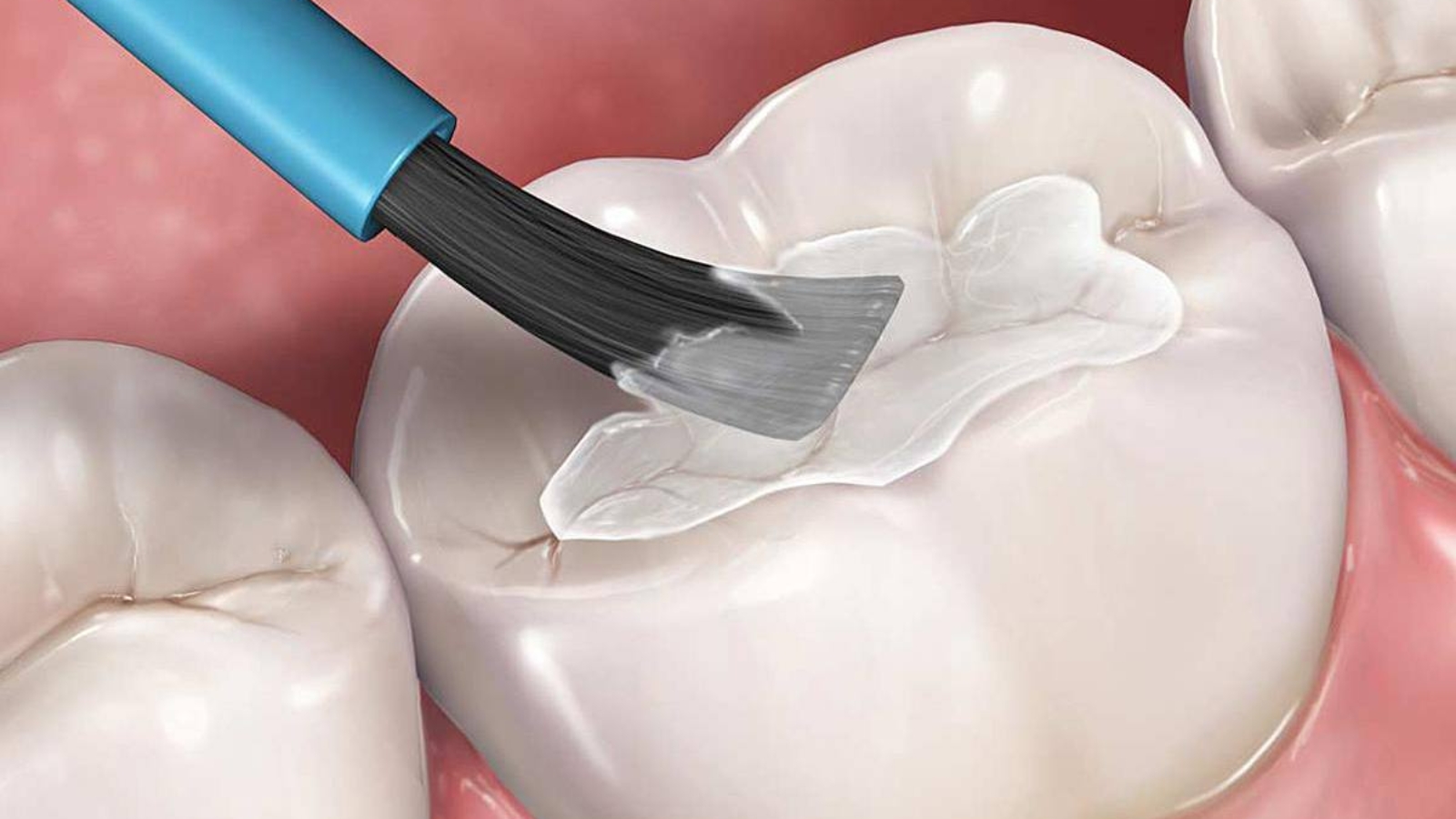
Professional fluoride applications differ substantially from home care because they involve considerably higher fluoride concentrations and prolonged contact with the tooth surface. At DentalClinic24, these procedures are recommended for patients with multiple early enamel lesions, dentin hypersensitivity, following professional dental cleaning, during orthodontic treatment, and in other situations where enamel requires additional protection. Fluoride varnishes and gels create localized reservoirs of active compounds that gradually interact with saliva and the superficial enamel layers over time. The frequency of professional applications is determined individually because excessively infrequent treatment may provide insufficient benefit, while unnecessarily frequent applications cannot compensate for unresolved biological risk factors responsible for disease progression.
Preventive fluoride therapy requires particularly careful management in children because newly erupted permanent teeth continue their maturation process even after entering the oral cavity. During this developmental period, enamel remains more permeable and more vulnerable to acidic challenges. Correctly prescribed fluoride exposure can significantly improve mineral stability, especially in children who struggle with oral hygiene or frequently consume carbohydrate rich foods. At the same time, preventive protocols must consider the child’s age, ability to expectorate toothpaste, total systemic fluoride exposure, and the developmental stage of permanent teeth. Uncontrolled ingestion of concentrated fluoride products during enamel formation may affect the appearance of developing teeth, making professional supervision essential whenever highly concentrated fluoride preparations are considered.
Fluoride treatment is frequently associated with the management of tooth sensitivity, although the biological causes of hypersensitivity vary considerably. When sensitivity results from enamel thinning, gingival recession, or exposed dentinal tubules, fluoride containing agents may effectively reduce discomfort by strengthening the tooth surface and decreasing dentinal permeability. However, hypersensitivity may also indicate dental caries, structural cracks, occlusal overload, or pulpal inflammation. At DentalClinic24, preventive fluoride treatment is never used to mask symptoms before identifying their underlying cause. Comprehensive diagnostics always precede clinical decision making, allowing the dentist to determine whether remineralization alone is sufficient or whether definitive treatment of the primary pathology is required.
Equally important is understanding that fluoride cannot compensate for persistent plaque accumulation. If interdental areas remain uncleaned and bacterial deposits are allowed to remain near the gingival margin, acid production may exceed the natural protective capacity of enamel despite regular fluoride exposure. Likewise, frequent snacking maintains a prolonged acidic environment that limits saliva’s ability to restore mineral balance. Effective preventive dentistry combines fluoride toothpaste, proper brushing techniques, thorough interdental cleaning, reduced frequency of sugar consumption, and healthy salivary function. These elements reinforce one another and significantly reduce the likelihood that early enamel demineralization will progress into irreversible dental caries.
At Dental Clinic24, the clinical effectiveness of fluoride is evaluated according to measurable improvements within the oral cavity, including stabilization of early demineralization, reduction in the development of new carious lesions, decreased dentinal sensitivity, and preservation of healthy enamel surrounding restorations and orthodontic appliances. We carefully individualize fluoride concentration, product selection, and treatment frequency according to each patient’s age, medical history, and caries risk profile. Rational fluoride therapy strengthens enamel and improves its biological resistance, yet its greatest effectiveness is achieved only when incorporated into a comprehensive preventive strategy. Accurate diagnosis and personalized clinical monitoring allow fluoride to deliver genuine long term protection without unnecessary treatment or a false sense of security.
Previously, we wrote about A Beautiful and Healthy Smile: The Signature of DentalClinic24 and a Reflection of Its Clinical Approach to Aesthetics and Function