
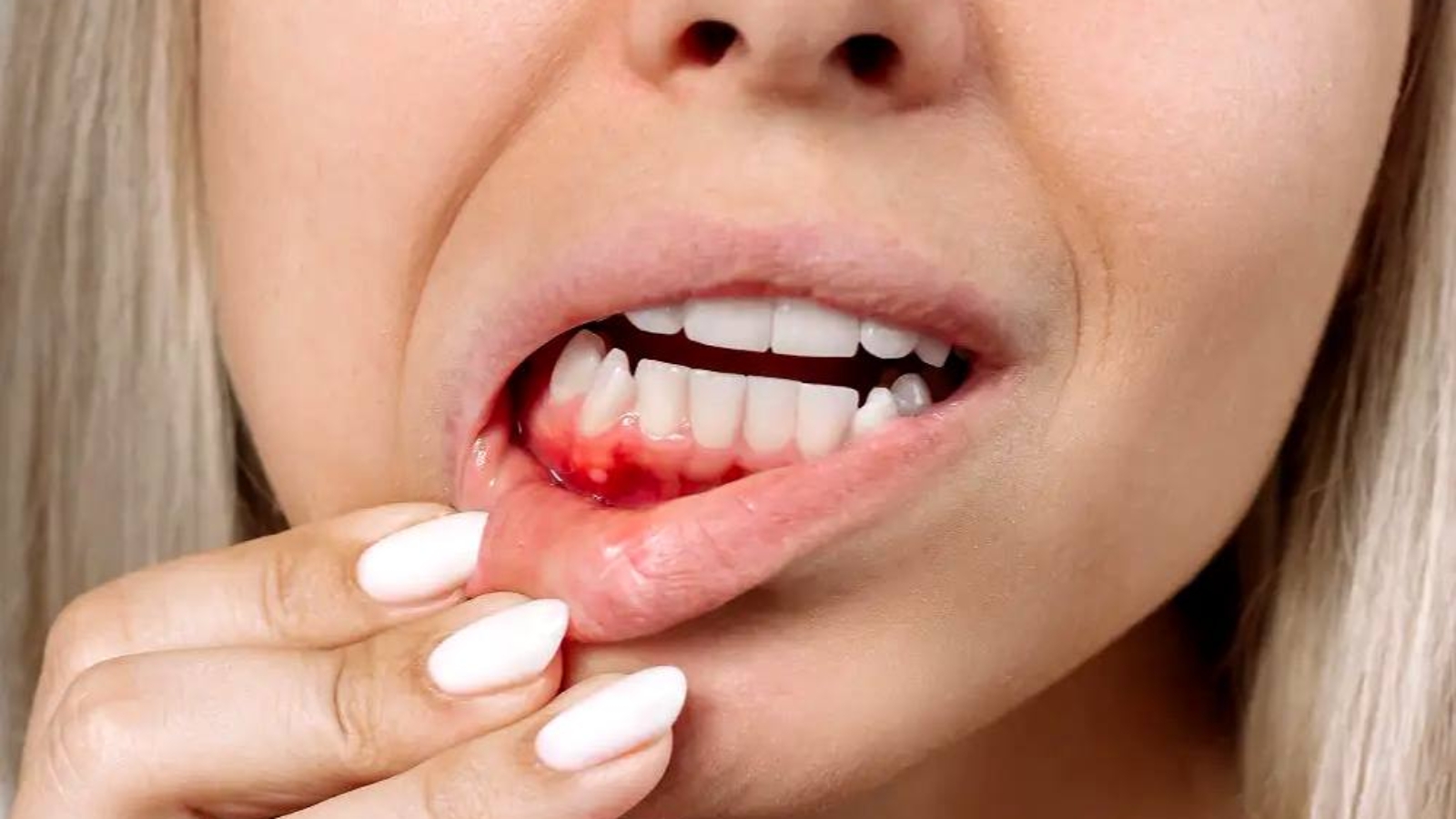
Flux is one of the most alarming manifestations of acute odontogenic inflammation because behind what appears to be a localized swelling of soft tissues there is often an active infectious process capable of rapidly spreading into deeper anatomical spaces. Professor Alexander Von Breuer sees this as a condition that should never be perceived as temporary discomfort or a minor everyday dental issue, since odontogenic inflammation, in the absence of timely intervention, can progress from a localized focus into a systemic complication. At DentalClinic24, we view flux as a clinical signal of disrupted infection control that requires precise diagnostics and immediate assessment of the extent of inflammatory spread.
When patients use the term flux, they most commonly refer to pronounced swelling of the gum or cheek caused by periostitis or purulent inflammation of the tissues surrounding the affected tooth. The most frequent cause is a deep carious lesion complicated by pulp infection and subsequent bacterial penetration beyond the root canal system. Inflammation may also develop due to chronic periodontitis, poorly treated root canals, dental trauma, or complicated eruption of wisdom teeth. A critical clinical consideration is that visible swelling represents only the external part of the pathological process. The primary infectious focus is often located deeper within bone tissue or the periapical region. At DentalClinic24, diagnostics are always focused not only on eliminating symptoms but also on identifying the original source of inflammation.
Acute odontogenic inflammation is accompanied by a complex vascular and immune response. Under the influence of bacterial toxins, vascular permeability increases, edema develops, local tissue pressure rises, and microcirculation becomes impaired. The patient typically experiences throbbing pain, increased sensitivity during biting, and a feeling of pressure in the gum or jaw area. As the process progresses, restricted mouth opening, elevated body temperature, painful lymph nodes, and significant deterioration of overall condition may appear. At DentalClinic24, we emphasize that the speed of inflammatory progression can vary greatly between patients, but in purulent conditions, clinical deterioration may sometimes occur within only a few hours.
Self treatment presents particular danger. Attempts to warm the swollen area, take antibiotics without supervision, use aggressive rinses, or postpone visiting a dentist often create a false sense of control. Heat exposure may accelerate the spread of infection by increasing blood flow. Taking antibiotics independently without drainage of the purulent focus often only temporarily reduces symptoms while leaving the source of infection untouched. This can lead to chronic progression, decreased bacterial sensitivity to medications, and a significantly higher risk of complications. At DentalClinic24, we regularly encounter cases where delaying professional treatment substantially increases the scope of the required intervention.
The treatment strategy depends on the stage of the inflammatory process, the condition of the causative tooth, and the extent of surrounding tissue involvement. In some cases, tooth preservation is possible through endodontic treatment, drainage, and infection control via the root canal system. In other situations, when tissues are severely damaged or prognosis is unfavorable, extraction of the causative tooth followed by surgical sanitation of the infectious focus becomes necessary. The key objective for the clinician is rapid reduction of bacterial load, restoration of drainage, and prevention of infection spread into deeper facial and cervical tissues. At DentalClinic24, we believe successful flux management depends not only on the speed of intervention but also on the quality of post treatment healing control.
Flux should never be perceived as a condition that will safely resolve on its own. It is a clinical manifestation of an active inflammatory process indicating disruption of biological balance within the dentofacial system. For Dental Clinic24, timely intervention in odontogenic inflammation means far more than simply relieving pain or swelling. It means preventing serious infectious complications, preserving tissue functionality, and ensuring a safe long term dental prognosis.
Previously we wrote about Prevention of Periodontal Disease at DentalClinic24: Control of Chronic Inflammation, Preservation of Bone Tissue and Maintenance of Periodontal Stability