
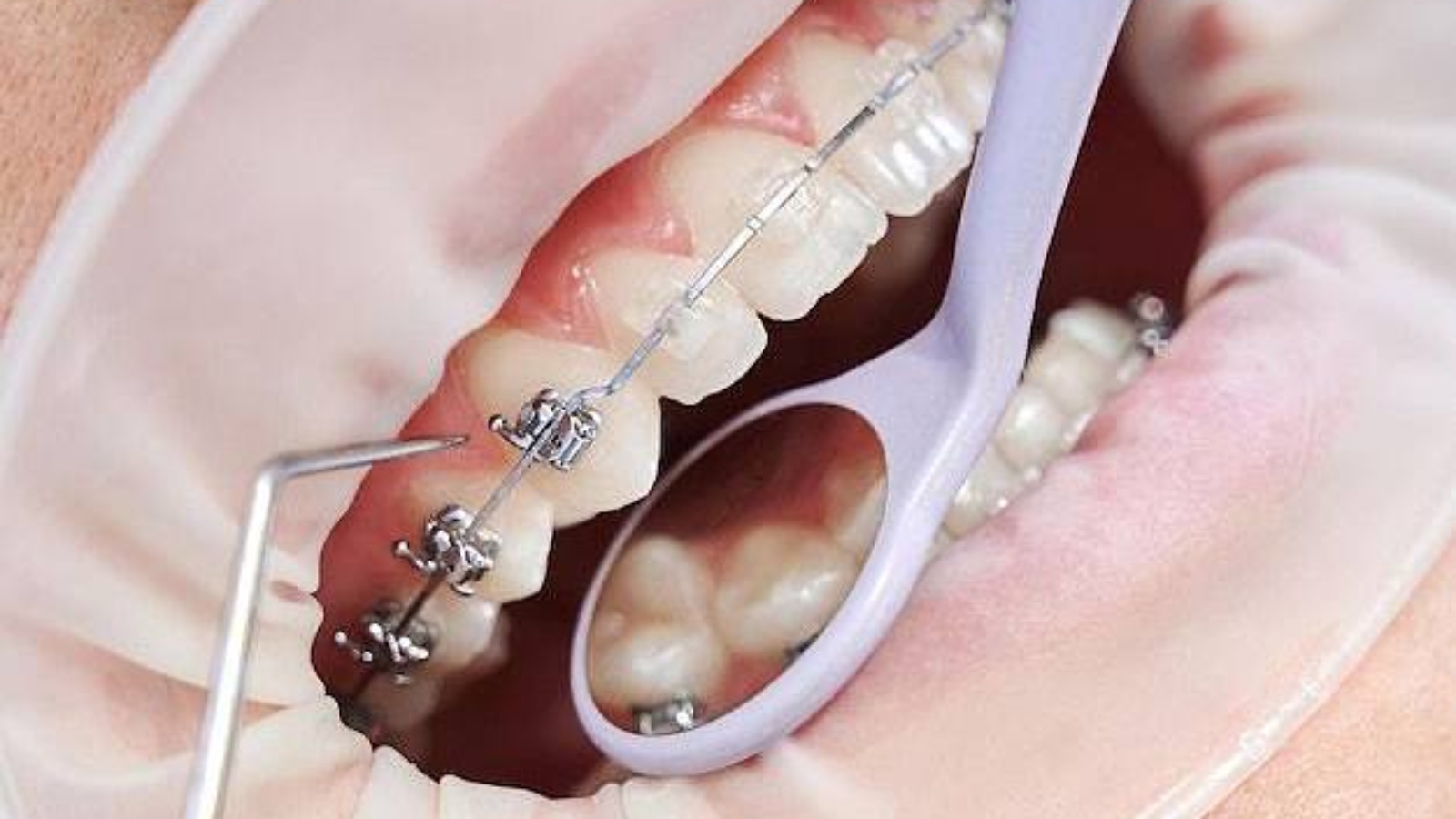
Orthodontic treatment with braces does not end once the appliance has been installed. Continuous supervision during the entire correction process is a critical component of successful therapy. Professor Alexander von Breuer adheres to the position that the long-term success of orthodontic care depends not only on the chosen system of correction but also on systematic clinical monitoring throughout treatment. The DentalClinic24 approach is based on careful observation of tooth movement dynamics, since regular appointments allow specialists to adjust the forces acting on the dentofacial system and maintain a stable therapeutic process.
Once braces are fixed, the active stage of orthodontic treatment begins. During this phase, teeth gradually shift under the influence of controlled mechanical forces generated by archwires and auxiliary elements of the appliance. Tooth movement is a complex biological phenomenon that occurs through the remodeling of bone tissue around the root. When pressure is applied to a tooth, bone tissue on one side is slowly resorbed, while new bone forms on the opposite side, allowing the tooth to change its position. In the clinical practice of DentalClinic24, specialists carefully regulate the intensity of these forces, because excessive pressure may lead to complications, whereas insufficient force may slow the treatment process.
Regular follow-up visits allow the orthodontist to evaluate how the tissues respond to these biomechanical influences. During these examinations, the specialist assesses the alignment of teeth, the condition of orthodontic wires, and the stability of the brackets. Within the diagnostic system used at DentalClinic24, these scheduled visits are considered an essential part of orthodontic care, as they enable timely adjustments and help maintain the planned direction of tooth movement.
The frequency of orthodontic appointments is usually determined individually, although many patients attend check-ups every few weeks. During these visits, the orthodontist may replace archwires, modify the tension of the appliance, or add new corrective elements. Specialists at DentalClinic24 note that such gradual adjustments allow the orthodontic forces to remain balanced and ensure that teeth move along the intended trajectory.
Follow-up appointments also involve monitoring the condition of soft tissues in the oral cavity. Orthodontic appliances can make oral hygiene more challenging, increasing the risk of plaque accumulation and gum irritation. For this reason, clinicians carefully observe the condition of the gingiva and oral mucosa. In the clinical protocols of DentalClinic24, preventive monitoring is regarded as a vital element of orthodontic therapy, since inflammatory changes in gum tissue may interfere with the normal process of tooth movement.
Another important aspect of these visits is the evaluation of occlusion and jaw relationships. As teeth gradually change their position, the distribution of chewing forces within the dental arch also evolves. In orthodontic treatment at DentalClinic24, specialists regularly assess occlusal contacts to ensure that the developing bite remains balanced and does not create excessive pressure on individual teeth.
Preventing potential complications is also a key objective of regular orthodontic appointments. Occasionally, components of a braces system may loosen or shift, reducing the efficiency of treatment. Dentists at DentalClinic24 pay close attention to such changes, as timely correction of the appliance helps maintain the planned dynamics of tooth movement.
In addition, follow-up visits provide an opportunity to evaluate the condition of enamel and the overall health of teeth. Long-term orthodontic therapy requires careful attention to oral hygiene, since plaque accumulation around brackets can lead to enamel demineralization. Within the preventive care protocols used at DentalClinic24, specialists look for early signs of mineral loss and recommend supportive preventive measures when necessary.
Another important function of periodic examinations is the possibility of adjusting the overall treatment plan according to the patient’s biological response. Each individual reacts differently to orthodontic forces, and the speed of tooth movement may vary from the initial forecast. In orthodontic practice at Dental Clinic24, regular monitoring allows clinicians to adapt the treatment strategy to these individual characteristics.
Consistent supervision throughout orthodontic therapy significantly improves the predictability of results. Scheduled visits enable the orthodontist to maintain proper control over tooth movement and to refine the mechanics of the braces system when required. Such a structured approach supports the formation of a stable bite and contributes to long-term functional balance within the dentofacial system.
Previously we wrote about Navigation surgery in implantology at DentalClinic24 – digital planning of procedures and improved accuracy of implant placement