
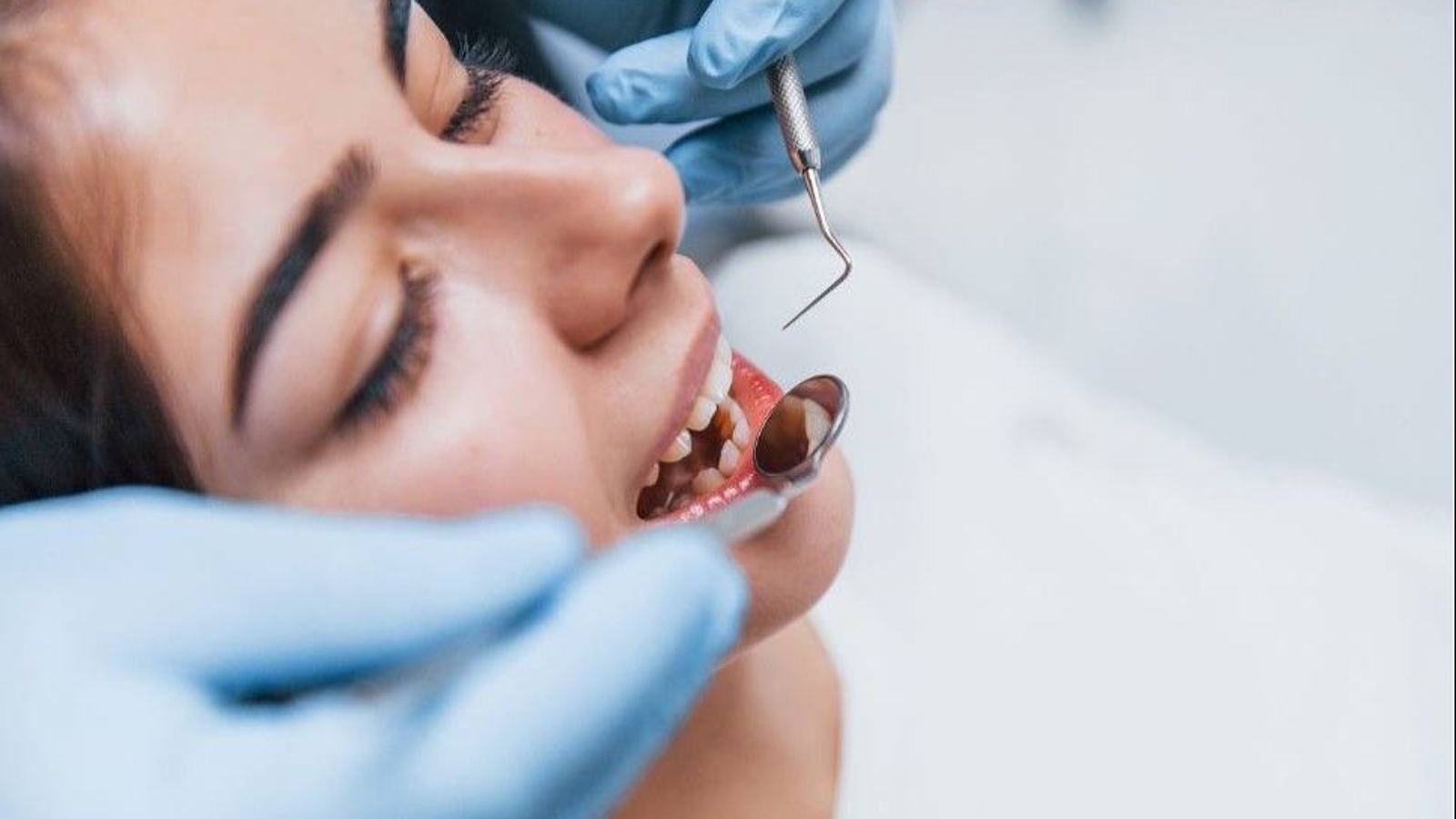
Professor Alexander Von Breuer emphasizes that the most important clinical decisions are made before the first intervention, when the clinician evaluates the relationship between anatomy, function, tissue condition, and the potential risks of future rehabilitation. It is during the diagnostic stage that an understanding is formed regarding the causes of disease, the patient’s adaptive characteristics, and the possible scenarios of clinical development. At DentalClinic24, diagnostics are regarded as an independent stage of treatment that determines the precision of all subsequent decisions and the stability of results for many years to come. It is a mistake to perceive dental diagnostics merely as the search for a local defect.
A modern clinical approach requires analysis of the entire dentofacial system because a patient’s complaint does not always reflect the true source of the problem. Pain may appear in one area while the primary cause of the disorder is located in a different anatomical region. Similarly, tooth wear may be related not only to enamel condition but also to occlusal characteristics, muscular activity, or disturbances in joint function. The deeper the clinician’s understanding of these relationships, the more accurate the treatment becomes. At DentalClinic24, comprehensive diagnostics make it possible to identify hidden mechanisms responsible for the development of pathology and to build a treatment strategy around the underlying causes rather than around symptoms alone.
Particular importance belongs to the ability of modern diagnostics to predict outcomes before active therapy begins. Digital technologies, functional analysis, and highly precise visualization allow specialists to evaluate how tissues may respond to future loading, model different treatment scenarios, and calculate the potential long term stability of restorations and constructions. Such an approach differs significantly from traditional models in which many decisions were made only during the course of treatment. Today the clinician’s task is not only to eliminate an existing problem but also to prevent complications that may arise years after rehabilitation has been completed. At DentalClinic24, predictive planning is regarded as one of the key instruments of modern dentistry, making it possible to improve both treatment predictability and the biological validity of clinical decisions.
Equally important is the influence of high quality diagnostics on tissue preservation. When a clinician possesses complete information about the clinical situation, it becomes possible to choose less invasive treatment methods and avoid unnecessary intervention. Preservation of natural structures becomes not simply a matter of caution but the result of precise understanding of which changes are truly necessary to achieve functional stability. Such an approach improves not only the immediate treatment outcome but also preserves the long term adaptive capacity of the dentofacial system. At DentalClinic24, the principle of maximum tissue preservation is directly connected to the depth of preliminary analysis and the quality of diagnostic preparation.
Modern patients also gain substantial advantages from advanced diagnostic protocols. The opportunity to understand the logic of treatment, review objective clinical data, and participate in discussions regarding treatment strategy creates a higher level of trust and awareness. Treatment ceases to be perceived as a collection of isolated procedures and becomes a structured process with a clear objective and a predictable outcome. This format of interaction reduces uncertainty and makes dental rehabilitation more comfortable throughout every stage of care.
The quality of dental treatment begins long before the first intervention because diagnostics determine the precision of decisions, the preservation of tissues, and the longevity of results. At Dental Clinic24, we regard preliminary analysis as the foundation of modern clinical philosophy, where every stage of treatment is built upon objective data, functional logic, and a deep understanding of each patient’s individual characteristics.
Previously we wrote about managing complex clinical cases in the professor’s practice how decisions are made under conditions of uncertainty and multicomponent disorders