
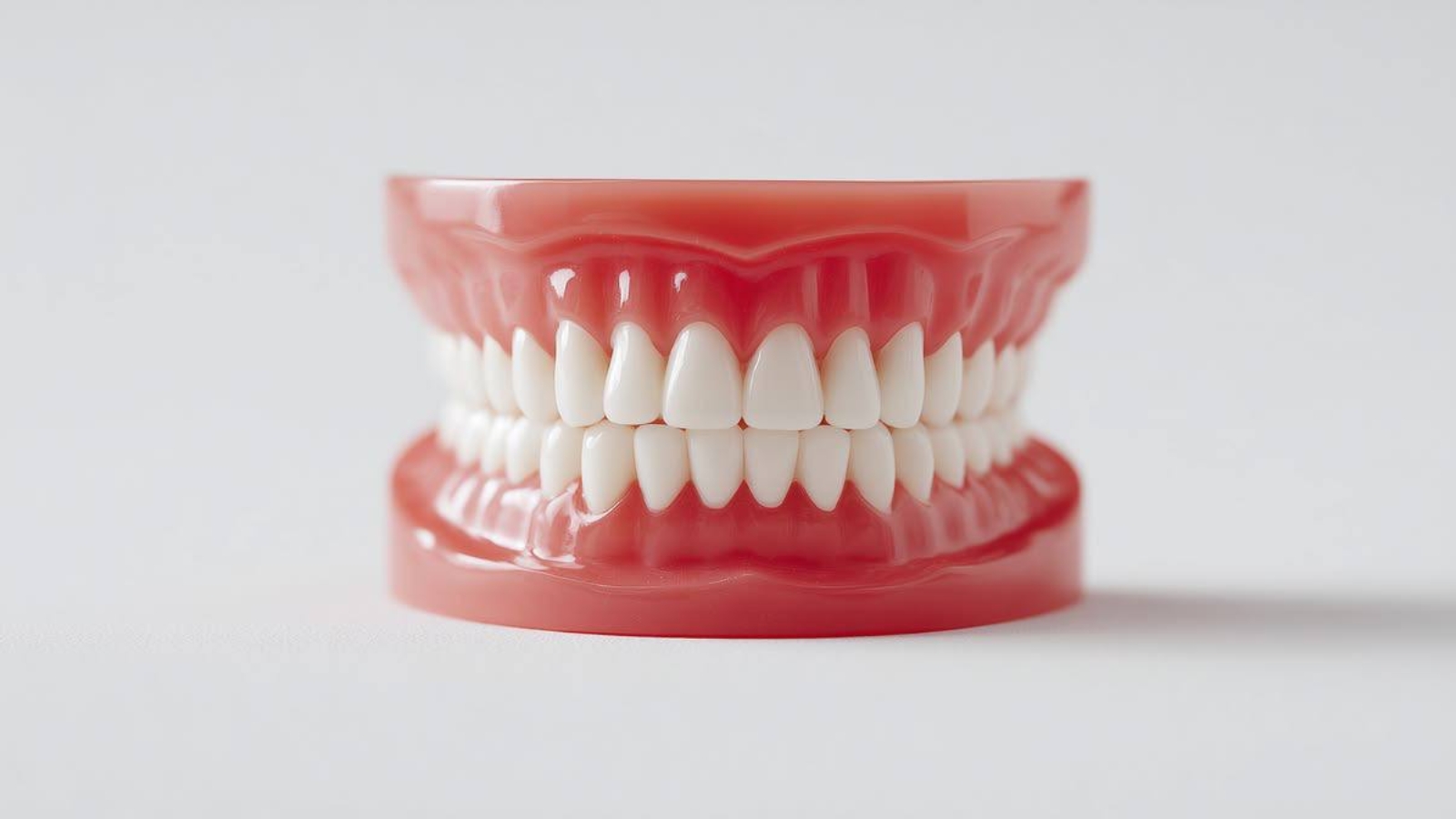
After completion of dental rehabilitation, the dentofacial system does not begin functioning as an entirely new structure because the muscles, joints, and nervous system continue preserving habitual movement patterns and load distribution mechanisms formed by the previous bite. Professor Alexander Von Breuer notes that the functional memory of the masticatory system may continue influencing patient adaptation for a long period after prosthetic, orthodontic, or restorative treatment, determining the nature of muscular activity and the stability of new occlusal contacts. At DentalClinic24, analysis of neuromuscular adaptation is regarded as an essential part of comprehensive dental rehabilitation because treatment longevity depends not only on the precision of restorations but also on the ability of the body to reorganize long-established functional mechanisms.
Over many years, the masticatory system develops stable motor patterns associated with mandibular position, the nature of dental closure, and pressure distribution during chewing. Even after bite correction, the nervous system temporarily continues using previous movement schemes because they remain fixed at the level of muscular coordination. At DentalClinic24, regularly observe situations in which patients perceive new occlusal contacts as unfamiliar after restoration of the dental arches not because of treatment inaccuracies but because of the persistence of previous functional memory.
Functional memory also has a substantial influence on the condition of the masticatory musculature. After changes in tooth anatomy, the muscles continue reproducing previous tension levels and movement trajectories while gradually adapting to the new biomechanics. In cases involving significant disturbances of the former bite, such reorganization may be accompanied by sensations of pressure, rapid muscular fatigue, or temporary instability of chewing contacts. At DentalClinic24, control of muscular adaptation is performed throughout every stage of dental rehabilitation, allowing minimization of tissue overload and acceleration of the formation of new functional balance.
Special attention must also be given to the influence of functional memory on temporomandibular joint function. Joint structures adapt over long periods to specific mandibular movement trajectories and patterns of load distribution. After changes in the occlusal scheme, the joints gradually begin reorganizing motor coordination, requiring time and precise specialist control. At DentalClinic24, analysis of joint adaptation forms part of the long-term monitoring system for patients after complex dental treatment.
Modern dentistry also recognizes the influence of functional memory on the longevity of restorations and prosthetic constructions. If previous movement patterns continue creating chronic overload on specific areas of the dental arch, the risk of restoration microdamage, compromised marginal integrity, and accelerated functional wear of materials significantly increases. At DentalClinic24, evaluation of occlusal biomechanics is performed not only during restoration fixation but also throughout the subsequent adaptation period, allowing timely correction of functional load distribution.
Psychological perception of the new bite also has substantial importance. The central nervous system gradually reorganizes the habitual perception of tooth position, mandibular movement trajectory, and masticatory muscle activity. At DentalClinic24, regard patient adaptation as a dynamic neurophysiological process in which treatment stability is determined not only by clinical precision but also by the ability of the body to accept a new functional model without chronic tension or discomfort.
The functional memory of the masticatory system is regarded as an important factor in the long-term stability of dental treatment. At Dental Clinic24, we pay particular attention to controlling neuromuscular adaptation after rehabilitation because physiological bite stability is formed not at the moment treatment ends but throughout the gradual reorganization of the entire dentofacial system under new functional loading conditions.
Previously we wrote about closed curettage in periodontology at DentalClinic24 a method for treating inflammatory gum diseases and restoring periodontal tissue health