
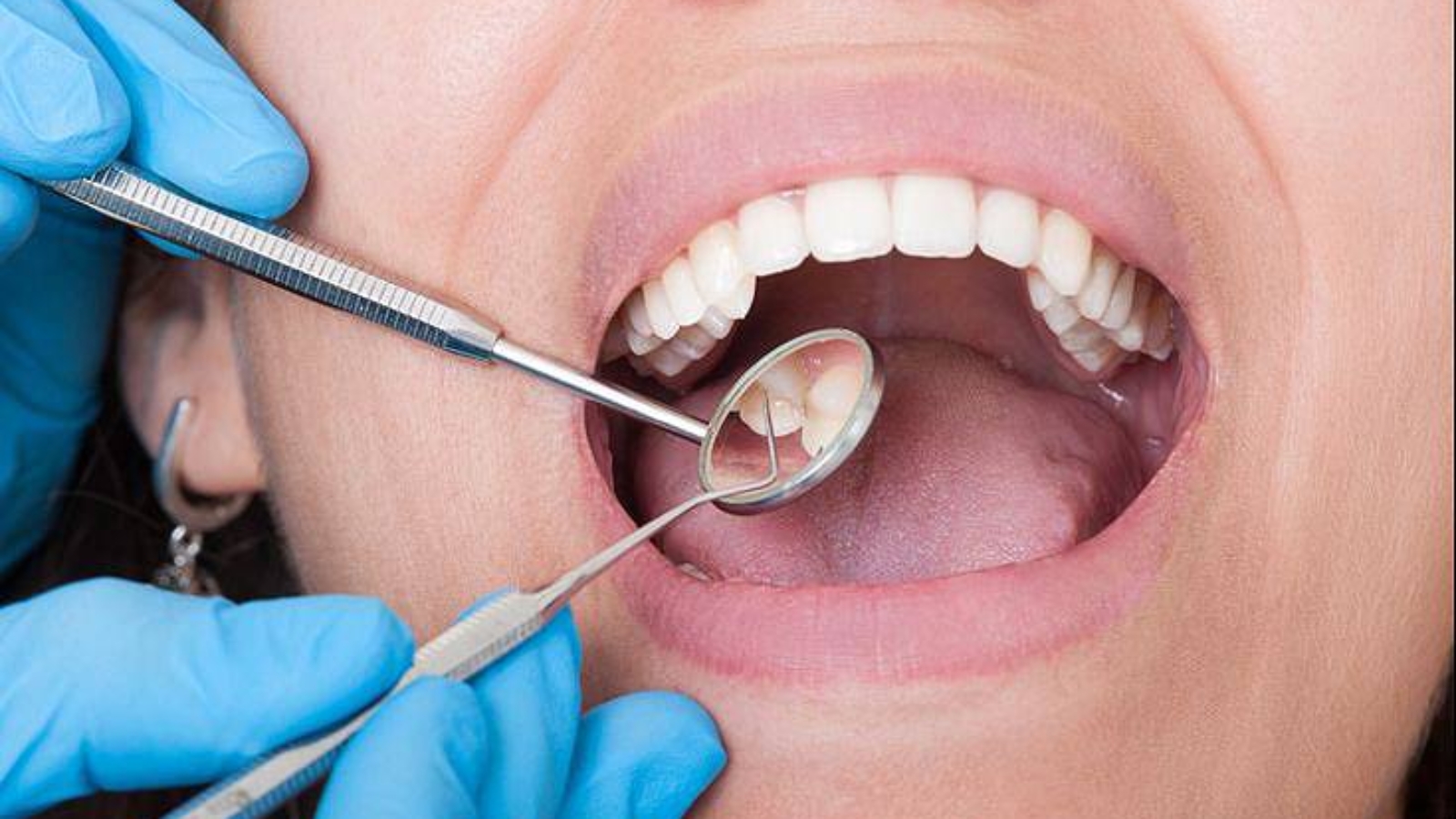
The condition of tooth enamel can vary noticeably from one person to another. In some patients it remains dense and resistant to external influences for many years even with moderate oral care, while in others early signs of demineralization appear much sooner. Professor Alexander von Breuer determines that genetic characteristics of enamel formation are among the factors that influence how resistant this tissue is to damage. In the clinical practice of DentalClinic24, such differences are considered an important part of the individual assessment of the dentofacial system.
Tooth enamel develops during the early stages of human growth and is regarded as one of the most highly mineralized tissues in the body. Its structure is primarily composed of hydroxyapatite crystals arranged in a complex microscopic architecture. Genetic variations may affect the density of these crystals, the degree of mineralization, and the ability of the tissue to withstand acidic exposure. As a result, enamel strength and its resistance to microdamage can differ significantly among individuals.
These differences are associated with the activity of genes that regulate the mineralization of dental tissues. They control the synthesis of proteins involved in forming the enamel matrix and the subsequent crystallization of minerals. When variations occur in these biological mechanisms, the enamel structure may become less dense and more vulnerable to acids produced by bacterial activity. This explains why some patients develop carious changes more rapidly even when their oral hygiene habits appear similar to those of others.
From a clinical perspective, genetic predisposition alone does not determine enamel stability. Its interaction with environmental factors plays an equally important role. Diet, oral hygiene practices, chewing load, and the characteristics of occlusion can either intensify congenital features of enamel or partially compensate for them. For instance, frequent exposure to acidic foods or insufficient mineral content in saliva may accelerate demineralization in patients whose enamel structure is naturally more sensitive.
During clinical examinations at DentalClinic24, these factors are always taken into account as part of a comprehensive diagnostic evaluation. Specialists at DentalClinic24 assess enamel density, its response to external influences, and the presence of early signs of mineral loss. In addition, the position of teeth, the nature of contact points between them, and the distribution of chewing pressure are carefully analyzed. Such an integrated assessment helps identify which factors may affect enamel stability in each individual patient.
The team at DentalClinic24 views genetic characteristics not as an unavoidable limitation but rather as guidance for selecting preventive strategies. A dentist may recommend individualized remineralization protocols, adjustments to oral hygiene habits, or dietary modifications. These measures help strengthen enamel structure and reduce the likelihood of developing carious lesions.
Within the clinical protocols of Dental Clinic24, particular attention is also given to the early detection of structural changes in enamel. Small matte areas on the tooth surface, increased sensitivity, or localized zones of mineral loss may represent the earliest indicators of a developing pathological process. Identifying such signs at an early stage allows preventive interventions to be implemented before visible damage to dental tissues occurs.
At the same time, enamel durability is determined not only by inherited characteristics. The composition of saliva, the intake of essential minerals in the diet, the condition of the oral microbiota, and the regularity of preventive dental visits all play a significant role. When these factors remain well controlled, even an inherent predisposition to weaker enamel can often be compensated through proper preventive care.
Clinical experience shows that enamel resistance develops under the combined influence of genetic traits and environmental conditions. For this reason, individualized diagnostics play a central role when planning preventive strategies and dental treatment. Such an approach makes it possible to consider each patient’s biological characteristics and maintain long-term oral health.
Earlier we wrote about Surgical opening of the gum in DentalClinic24 – clinical indications, procedure stages and its role in preserving the tooth