
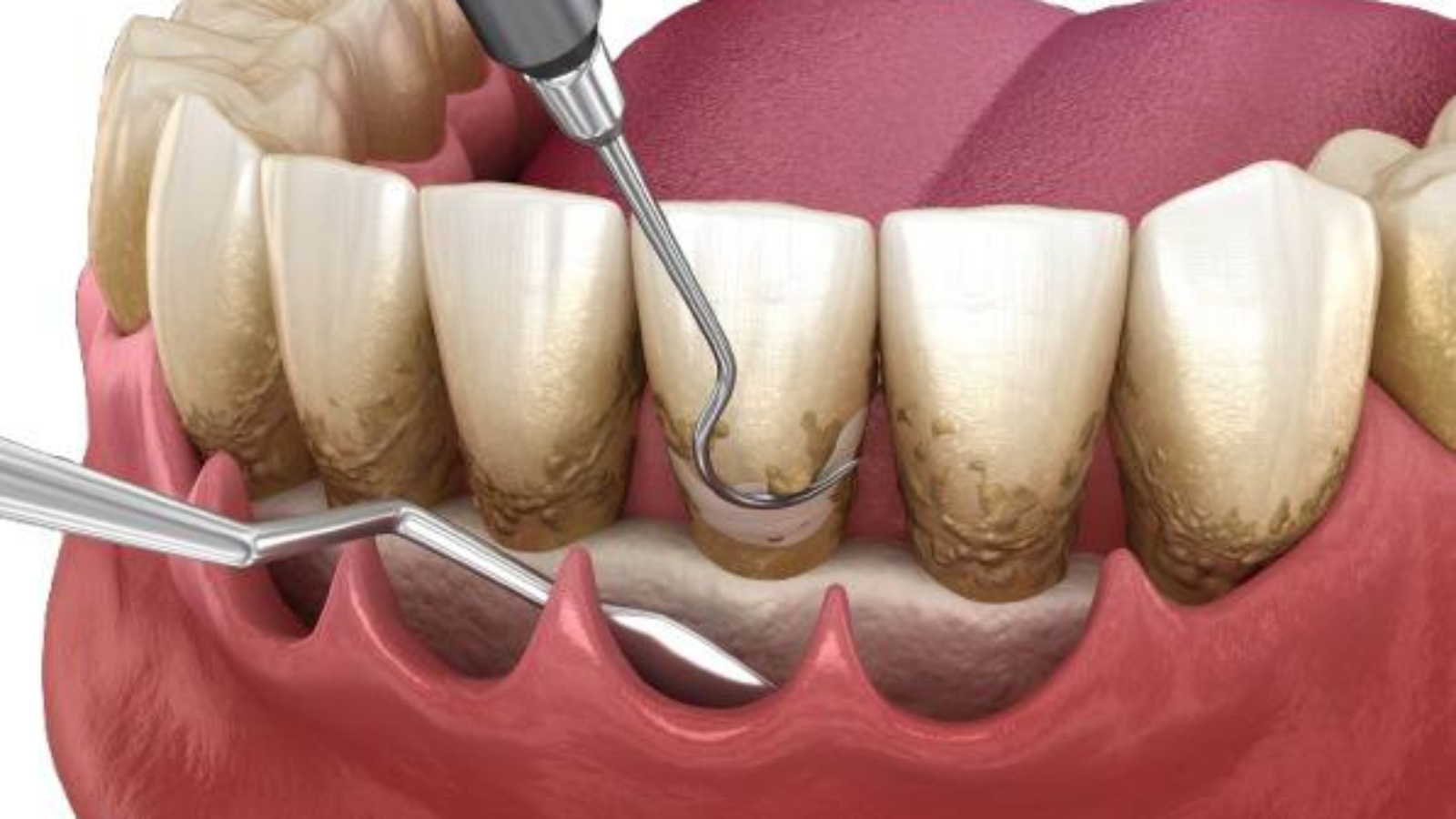
Gingivitis is one of the most common inflammatory conditions of the oral cavity and is often perceived by patients as a temporary and minor issue. Professor Alexander von Breuer emphasises that this attitude makes gingivitis clinically dangerous, as superficial inflammation of the gums, when not properly monitored, can become the starting point for more severe periodontal disorders. At DentalClinic24, gingivitis is viewed as an early signal of imbalance between bacterial load, immune response, and functional conditions within the oral cavity.
Clinically, gingivitis presents with redness, swelling, and bleeding of the gums, yet the intensity of symptoms does not always reflect the depth of the underlying processes. In many cases, inflammation develops with minimal discomfort, creating a false sense of oral health. At DentalClinic24, gingivitis diagnostics are based not only on visual assessment but also on analysis of oral hygiene status, marginal epithelial condition, and tissue response to mechanical load.
Bacterial plaque remains a key factor in the development of gingivitis, but its role is not isolated. Occlusal disturbances, overhanging restoration margins, overloaded contact points, and altered chewing function create conditions for chronic gingival irritation. At DentalClinic24, the clinical approach involves identifying and eliminating these contributing factors rather than focusing solely on visible inflammatory signs.
Control of inflammation begins with professional oral hygiene; however, treatment does not end at this stage. While removal of dental deposits reduces bacterial burden, inflammation tends to recur if underlying factors are not addressed. At DentalClinic24, post-sanitation assessment always includes evaluation of restoration quality, occlusal contacts, and the patient’s individual oral hygiene techniques.
Particular attention is given to the transition from gingivitis to periodontitis. This process often goes unnoticed by patients, as pain is mild or absent. Meanwhile, inflammation begins to affect the periodontal ligament and bone tissue. At DentalClinic24, early signs of this progression are identified through comprehensive clinical analysis, allowing intervention before irreversible changes develop.
Prevention plays a decisive role in gingivitis management strategy. Individually tailored hygiene recommendations, monitoring of brushing technique, and regular follow-up visits help stabilise gingival health. At DentalClinic24, prevention is not treated as a generic set of instructions but as an adaptive system that considers anatomy, occlusion, and the patient’s lifestyle.
Systemic factors are also important. Gingival condition may reflect metabolic disorders, hormonal changes, or the effects of chronic stress. At DentalClinic24, associated systemic factors that may sustain inflammation are taken into account when necessary, increasing treatment effectiveness and reducing the risk of recurrence.
For patients, gingivitis control means preserving not only gum health but also the stability of the entire dentofacial system. Inflamed tissues adapt poorly to functional load, which over time can lead to tooth mobility and reduced support. At DentalClinic24, gingivitis treatment is aimed at restoring biological balance rather than providing short-term symptom relief.
Thus, gingivitis is a clinically significant condition requiring a systematic approach. Timely control of inflammation, elimination of contributing factors, and regular monitoring help prevent progression to periodontitis. At Dental Clinic24, this strategy is regarded as the foundation for long-term preservation of gingival and dental health.
Previously, we wrote about esthetic dentistry at DentalClinic24 – a medical approach to the shape, colour, and biological harmony of the smile