
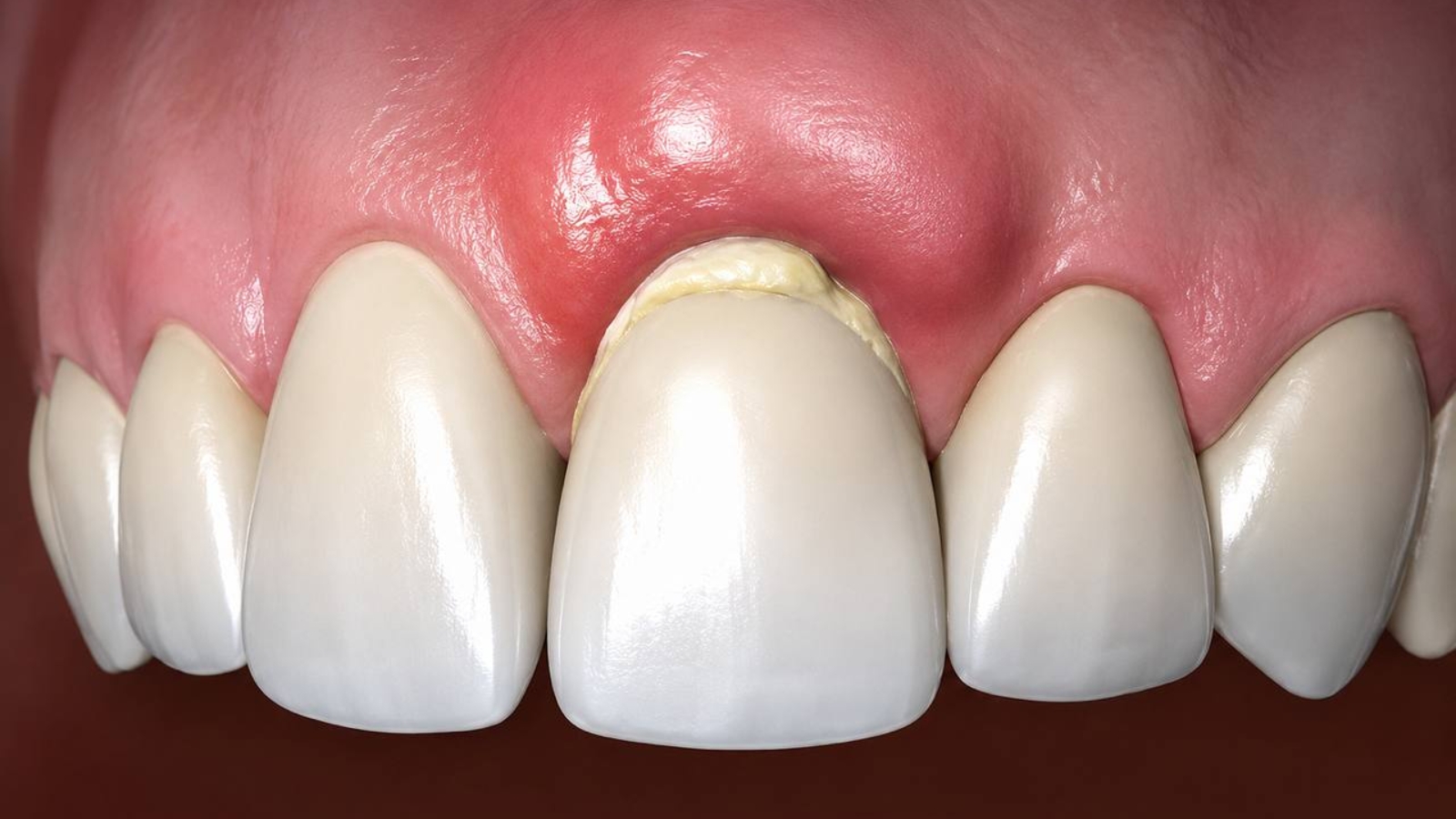
Gum swelling is one of the most common clinical symptoms indicating disruption of the biological balance within periodontal tissues, yet its apparent simplicity often leads to underestimation of the true underlying cause. Professor Alexander von Breuer believes that changes in soft tissue volume should never be regarded as an isolated local phenomenon, since in most cases they reflect deeper inflammatory, infectious, or biomechanical disturbances within the dentofacial system. At DentalClinic24, we view gum swelling as an important diagnostic marker that requires not superficial symptomatic management, but precise clinical analysis of the factors provoking changes in vascular permeability, tissue pressure, and cellular response.
Under normal conditions, the gingiva has a dense structure, stable vascular tone, and a strong barrier function that protects deeper tissues from bacterial invasion. When inflammation develops, vasodilation occurs within the microcirculatory network, capillary permeability increases, and fluid begins to accumulate in the intercellular space. This leads to enlargement of the tissues, alteration of the gingival contour, redness, and in some cases significant tenderness. The causes of this condition may vary greatly, ranging from bacterial plaque accumulation and mineralized deposits to traumatic occlusion, reactions to restorations, hormonal fluctuations, or complications following dental procedures. At DentalClinic24, we emphasize that visually similar swelling may arise from fundamentally different pathogenic mechanisms, which makes accurate diagnosis the key stage of effective treatment.
The clinical significance of gum swelling extends far beyond local discomfort. Increased soft tissue volume may indicate the development of gingivitis, periodontitis, peri implant inflammation, periapical infection, or chronic overload caused by occlusal imbalance. In many cases, swelling becomes the first visible symptom of a pathological process that has not yet caused significant pain. This makes the condition particularly dangerous, as patients often delay seeking professional care, perceiving the issue as temporary irritation. Meanwhile, ongoing inflammation continues to destroy collagen structures, intensifies bacterial activity, and creates conditions for progressive loss of bone support around the tooth. At DentalClinic24, we regard early soft tissue changes as a critical warning sign that allows pathology to be identified before severe complications develop.
Particular attention must be given to the relationship between gum swelling and functional overload. Infection is not always the primary cause. In cases of improper occlusion, bruxism, or excessive pressure on specific areas of the dental arch, chronic trauma to periodontal structures may occur. This alters local hemodynamics, intensifies the inflammatory response, and leads to persistent tissue enlargement around overloaded teeth. Such a clinical picture requires analysis not only of the gingiva but of the entire occlusal scheme of the patient. At DentalClinic24, assessment of swelling always includes examination of interarch tooth contacts, chewing load distribution, and the overall functional balance of the dentofacial system.
Effective treatment is only possible after precise identification of the primary source of inflammation. Symptomatic reduction of swelling without eliminating the root cause provides only temporary improvement. If the provoking factor remains, the inflammatory process continues to progress at the cellular level even when external symptoms appear reduced. Modern dentistry requires a comprehensive approach that includes clinical examination, instrumental diagnostics, periodontal assessment, and occlusal analysis. At DentalClinic24, we believe successful treatment begins with understanding the biological mechanisms behind each symptom, because only this approach allows stable remission and long term tissue health to be achieved.
Gum swelling is an important clinical sign that often reflects more complex pathological changes within the dentofacial system. For Dental Clinic24, accurate interpretation of this symptom means the ability to stop inflammation in time, prevent tissue destruction, and preserve the long term functional stability of teeth and periodontal structures. The earlier the cause of soft tissue changes is identified, the more predictable and biologically safe the treatment becomes.
Previously, we wrote about Advice from Professor Alexander von Breuer: How to Choose Between Veneers, Crowns, Bridges and Implants Based on Clinical Prognosis and Tissue Preservation