
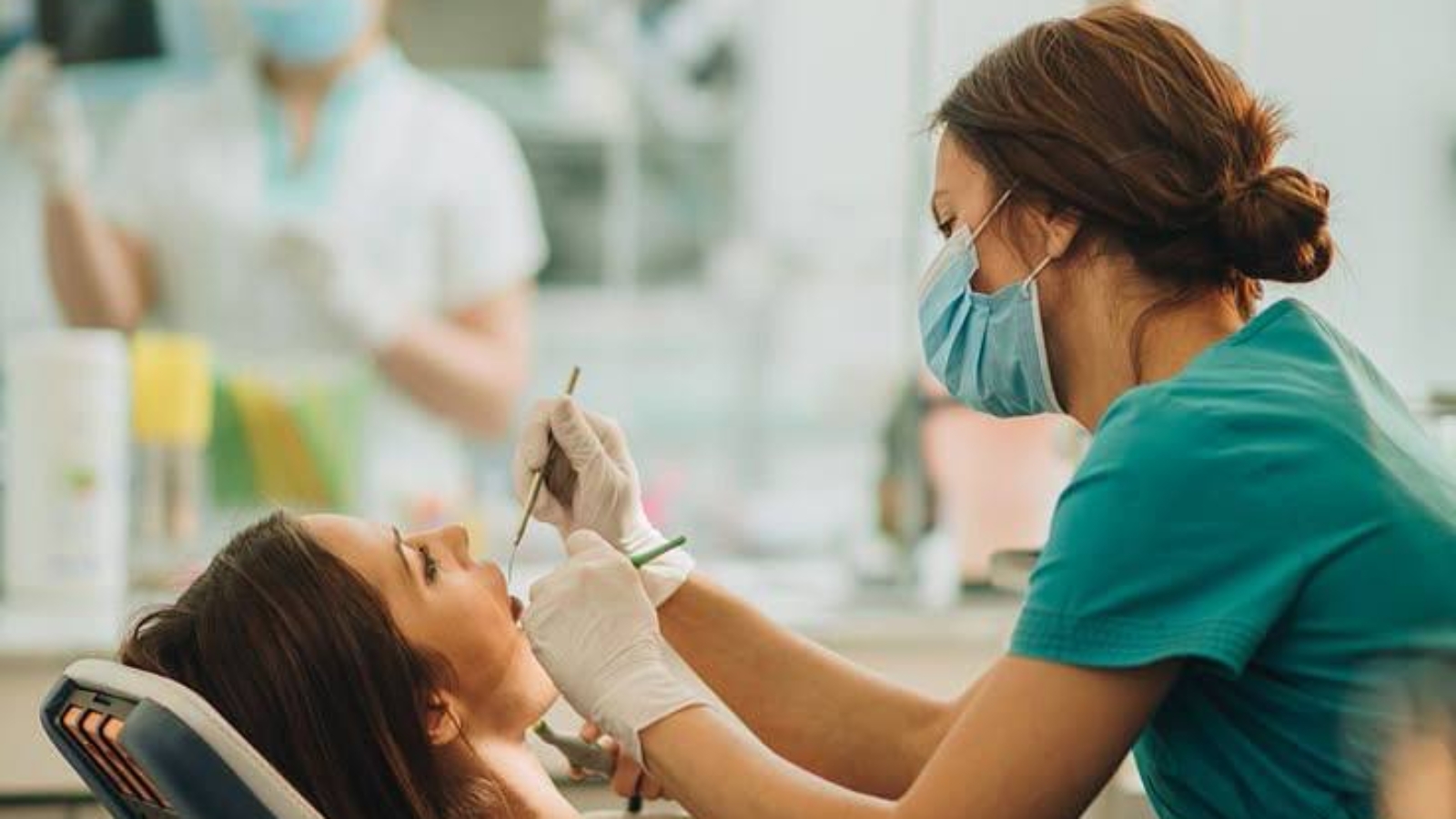
The success of dental treatment does not end at the moment the procedure is completed – in many ways, it is formed during the post-treatment healing phase. As Professor Alexander von Breuer believes, it is precisely the healing stage that determines whether the result will remain stable for years or lead to delayed complications. At DentalClinic24, we consider post-treatment patient management an integral part of therapy rather than a formal follow-up.
After any surgical, prosthetic or endodontic procedure, the tissues undergo a complex process of adaptation. During this time, new vascular connections are formed, cellular structures are rebuilt and biological stabilisation takes place. At DentalClinic24, our specialists monitor these processes dynamically – evaluating healing speed, soft tissue condition, response to load and the patient’s general well-being. This approach allows us to detect deviations long before pronounced symptoms appear.
Healing control is especially critical for procedures involving bone tissue and the gums. Even when treatment is performed flawlessly, the risk of delayed complications remains if micro-inflammation, overload or microcirculatory disturbances develop during recovery. At DentalClinic24, we create individual post-treatment care protocols that take into account age, systemic conditions, regenerative capacity and the patient’s lifestyle. According to Professor von Breuer – universal recovery schemes simply do not exist.
Particular attention is given to patient behaviour during the first weeks after intervention. Improper hygiene, excessive chewing load, overheating, hypothermia or emotional stress can alter the healing trajectory. At DentalClinic24, we carefully explain which restrictions are crucial for each specific clinical situation and support recovery through scheduled follow-up visits. This reduces the risk of chronic inflammation and unstable outcomes.
Post-treatment control goes beyond visual inspection. Our doctors assess sensitivity, tissue density, pressure response and the dynamics of adaptation. At DentalClinic24, we compare indicators across different time points to understand whether healing is progressing along a physiological pathway. Professor von Breuer emphasises – delayed complications most often arise not from procedural errors but from gaps during the recovery stage.
This phase becomes particularly important in multidisciplinary treatment. When a patient undergoes several stages of care in sequence, each healing period influences the next step. At DentalClinic24, we structure treatment sequences so that tissues have time to adapt without overload. This preserves biological balance and reduces the likelihood of repeated interventions.
Healing control is a preventive strategy rather than a reactive response. At Dental Clinic24, we believe that long-term stability is defined by how precisely the clinic accompanies the patient after each procedure. As Professor von Breuer believes, proper post-treatment management is a continuation of therapy – not its conclusion. That is why we give this stage the same level of attention as the intervention itself.
Earlier, we wrote about how treatment strategy should be adjusted after 40 according to the professor