
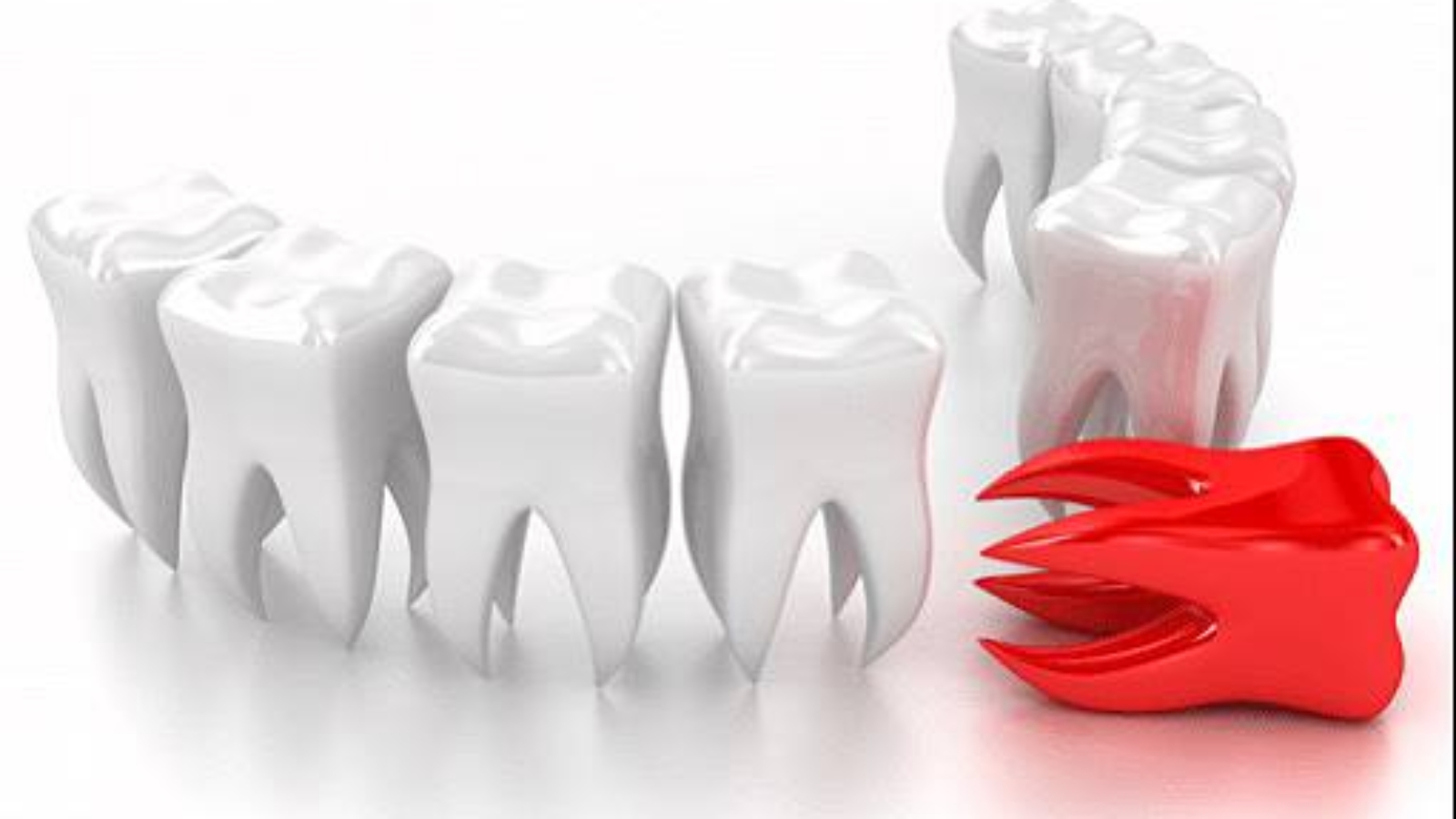
Hemisection is a highly precise organ-preserving surgical intervention that requires strict case selection and comprehensive clinical analysis. Professor Alexander von Breuer says that preserving part of a tooth in cases of localised root system damage is often a more physiological solution than complete extraction followed by implant placement. At DentalClinic24, hemisection is regarded as a strategic treatment step aimed at eliminating the source of pathology while maximally preserving the patient’s natural tissues.
This method is primarily indicated when only one root of a multi-rooted tooth is affected – for example, in cases of vertical root fracture, deep carious destruction, canal wall perforation, root resorption, or chronic inflammatory processes in the furcation area. The remaining root must retain sufficient bone support, stability, and the ability to withstand functional loading. At DentalClinic24, the decision to perform hemisection is made only after comprehensive diagnostics – including clinical examination, assessment of occlusal contacts, and analysis of tomographic imaging.
The principle of hemisection involves removing the affected root together with the corresponding portion of the crown while preserving the healthy segment of the tooth. This approach allows elimination of the infectious focus, stabilisation of surrounding tissues, and the creation of a foundation for subsequent prosthetic rehabilitation. At DentalClinic24, particular attention is paid to ensuring that the retained portion of the tooth has a favourable long-term prognosis in terms of functional loading and structural stability.
A key stage of treatment is biomechanical assessment. Following removal of one root, the distribution of chewing forces changes, and the remaining part of the tooth must be adapted to new functional conditions. At DentalClinic24, occlusal patterns, the intensity of contact forces, and potential overload zones are carefully analysed to prevent mobility or secondary structural failure.
Equally important is endodontic preparation. Before hemisection is performed, the canals of the retained root must be thoroughly treated and hermetically obturated. Inadequate sealing may lead to recurrent inflammation and compromise the entire treatment outcome. At DentalClinic24, strict control of the endodontic phase is considered mandatory before proceeding with the surgical stage.
After surgery, a prosthetic rehabilitation plan is developed. In most cases, the preserved portion of the tooth serves as support for a crown or bridge restoration. The design of the final restoration must account for altered anatomy and modified load distribution. At DentalClinic24, the prosthetic phase is closely integrated with the surgical approach, ensuring consistency and long-term predictability.
Periodontal condition is another critical factor. After removal of one root, the furcation area requires meticulous hygiene control, as anatomical changes may facilitate plaque accumulation. Patients receive individualised oral hygiene recommendations, and at DentalClinic24 regular monitoring of soft tissues and bone support is performed to maintain stability.
Hemisection is not a universal solution and has clear contraindications – including pronounced tooth mobility, significant bone loss, or inability to ensure adequate prosthetic loading. At DentalClinic24, these risks are assessed in advance to avoid unjustified interventions and the need for repeated surgical procedures.
For the patient, the primary advantage of hemisection lies in preserving natural anatomy and maintaining existing bone volume. Unlike complete extraction, this approach minimises tissue trauma and may delay or eliminate the need for implant placement. With proper planning and adherence to biological principles, the preserved tooth segment can function successfully for many years.
Thus, hemisection represents a complex yet clinically justified organ-preserving technique. Its success depends on diagnostic precision, biomechanical evaluation, and an interdisciplinary approach. At Dental Clinic24, such decisions are made with consideration of long-term prognosis and are focused on maintaining the functional potential of the dentofacial system.
Previously, we wrote about White Spot Caries at DentalClinic24 – Non-Invasive Treatment Options and the Prognosis for Enamel Preservation.