
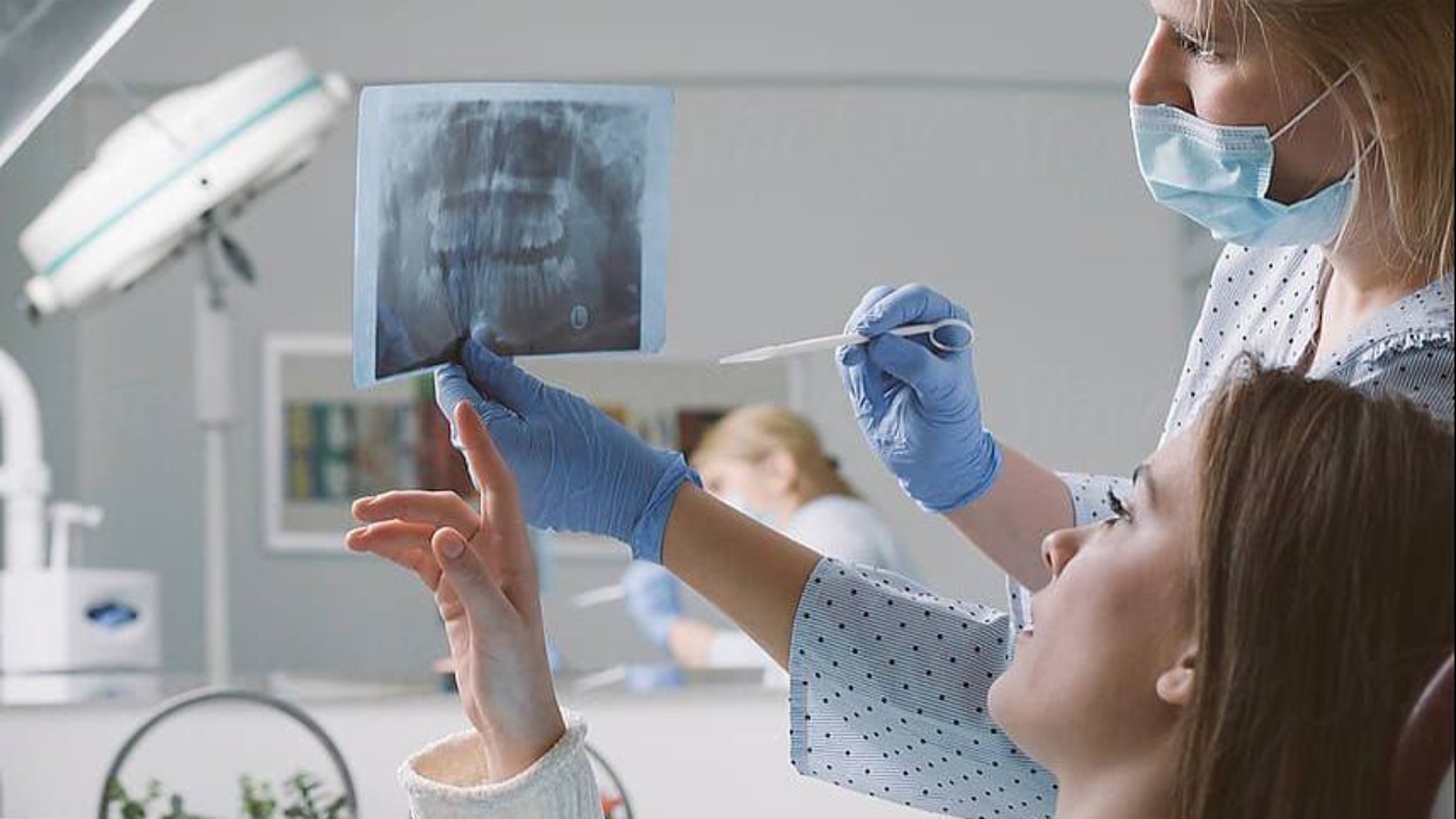
The dental system functions as an integrated structure, and one of its key characteristics is its constant dynamism. Even teeth that appear healthy may be in a state of micromobility that is not visible during a routine examination. As Professor Alexander von Breuer believes, hidden instability is often the underlying cause of complications that appear months or even years after treatment. At DentalClinic24, we use advanced diagnostic methods that allow us to detect micromovements at the earliest stage and prevent long-term issues.
Micromobility can be caused by overload, occlusal imbalance, reduced bone density or hyperactivity of the masticatory muscles. At DentalClinic24, we evaluate all these factors collectively – because only a full biomechanical understanding allows us to accurately assess the degree of risk. According to Professor von Breuer – even slight instability may alter the prognosis of a restoration or affect the integration of an implant.
The main danger of hidden instability is its gradual development. A patient may feel no pain and notice no changes – yet the tissues may already be experiencing microtrauma. At DentalClinic24, we apply digital occlusal diagnostics, load distribution analysis and 3D visualisation to detect pressure-sensitive areas. As Professor von Breuer notes – visual stability does not always equal functional stability.
Muscle activity plays an equally important role. Stress, habitual clenching and nighttime bruxism increase the load on specific teeth, intensifying micromobility. At DentalClinic24, we identify these patterns early and, when necessary, recommend relaxation splints or adjust occlusal contacts. This approach reduces the risk of enamel fractures, restoration debonding and overload-related complications.
Hidden instability is especially critical in complex treatment plans. Even a perfectly crafted restoration becomes vulnerable if the supporting teeth exhibit micromobility. At DentalClinic24, we always assess the biomechanical condition of the dentition before prosthetic, orthodontic or surgical treatment – allowing us to predict potential shifts and prevent complications. As Professor von Breuer emphasises, only a combination of structural and functional diagnostics ensures truly long-lasting treatment outcomes.
Early correction of micromobility helps prevent recession, inflammation, tissue damage and the need for repeated interventions. At Dental Clinic24, we consider stability analysis an essential part of long-term prognosis and integrate it into our diagnostic protocol for all patients, especially before restorations or implant placement.
Earlier, we wrote about why the first weeks determine long-term treatment stability