
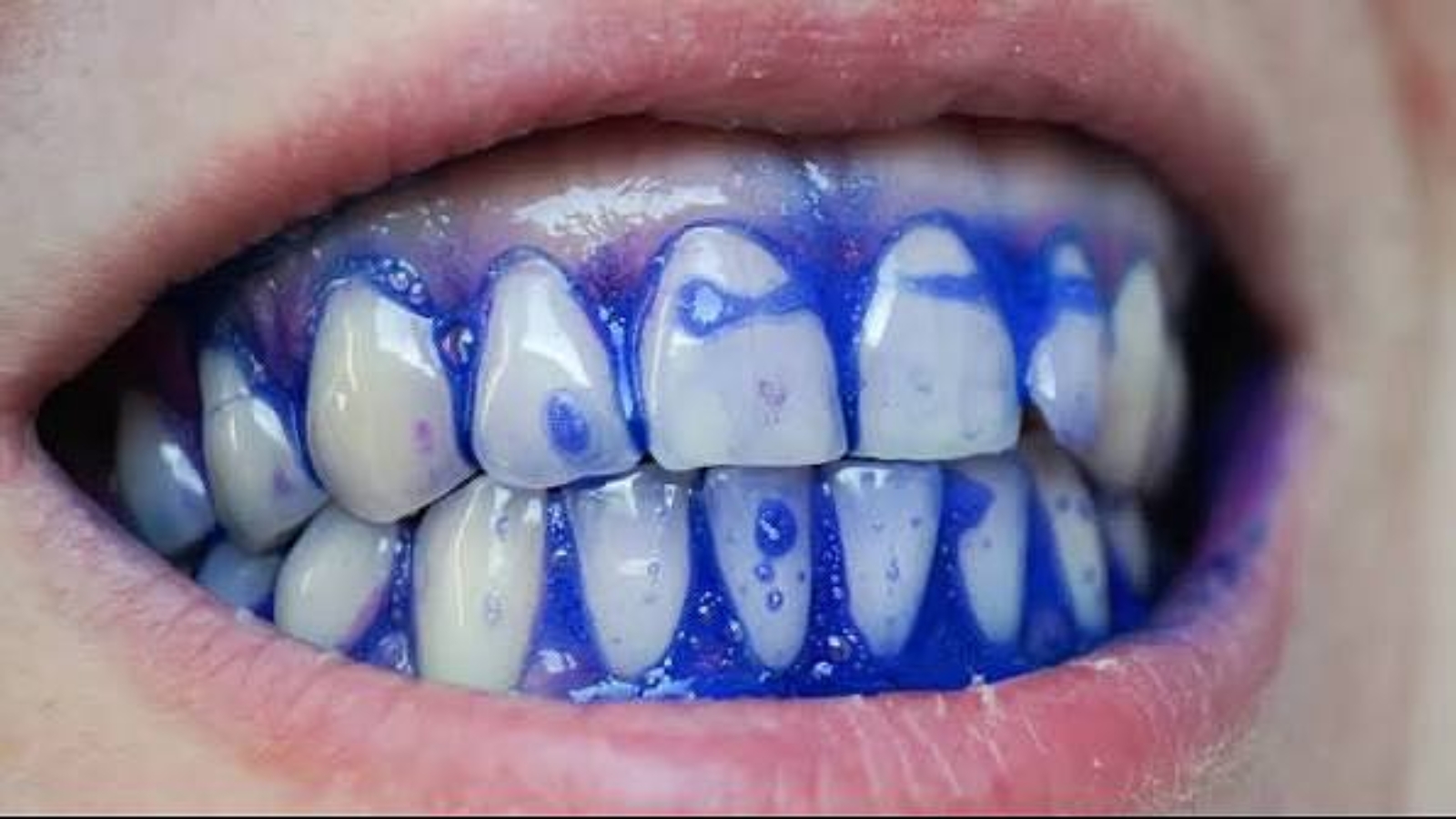
Modern clinical dentistry has long relied not only on visual evaluation of teeth and gums but also on objective quantitative indicators that allow more accurate prediction of pathological processes. Professor Alexander Von Breuer emphasizes that the hygiene index is one of the most informative tools in primary diagnostics because it transforms a subjective impression of oral health into measurable clinical data. At DentalClinic24, we consider hygiene index assessment an essential part of the diagnostic protocol because quantitative analysis of dental plaque, soft deposits, and gingival condition helps identify a patient’s individual risks and predict the long term stability of dental health. The more accurately the level of hygienic burden is measured, the more personalized the prevention and treatment plan becomes.
The hygiene index is an evaluation system that reflects the degree of plaque accumulation and the presence of factors contributing to bacterial activity in the oral cavity. Despite its apparent simplicity, the clinical significance of this indicator is extremely high. Microbial plaque is a complex biofilm containing microorganisms, metabolic byproducts, and organic components of saliva. As the biofilm matures, the concentration of acids and inflammatory mediators increases, triggering enamel demineralization and soft tissue damage. At DentalClinic24, we emphasize that plaque assessment makes it possible to detect problems long before obvious symptoms appear, when the pathological process can still be controlled at a preventive level.
Dental caries rarely develops suddenly. In most cases, it is preceded by a prolonged disruption of the balance between demineralization and the natural remineralization of enamel. With a high hygiene index, the tooth surface remains exposed to an acidic environment for extended periods, gradually reducing the mineral resistance of hard dental tissues. Occlusal fissures, interproximal surfaces, and areas near the gingival margin become particularly vulnerable. Even in the absence of visible cavities, microscopic structural changes in enamel may already be progressing actively. At DentalClinic24, we view quantitative hygiene assessment as a method for identifying early risk factors, allowing intervention before a fully developed carious lesion forms.
Equally important is the influence of the hygiene index on periodontal health. Long term presence of bacterial plaque triggers a chronic inflammatory response in the gingiva, beginning with vascular changes and gradually leading to destruction of the tooth supporting structures. In the early stages, this process may present with minimal symptoms such as slight bleeding during brushing. However, with persistent inflammation, the risk of periodontal pocket formation, bone resorption, and reduced tooth stability increases significantly. At DentalClinic24, we pay particular attention to hygiene index evaluation in patients showing signs of gingival inflammation because quantitative indicators provide an objective way to monitor treatment progress and the effectiveness of home care.
The hygiene index is especially valuable in personalized dentistry because it allows recommendations to be adapted to each individual patient. Two people with seemingly similar dental conditions may have significantly different microbial loads due to variations in saliva production, diet, brushing technique, and dental arch anatomy. Universal recommendations become less effective in such cases. At DentalClinic24, we use hygiene index measurements as the foundation for individualized preventive protocols, which may include correction of home care routines, selection of specialized hygiene products, professional cleaning, and scheduled follow up diagnostic visits.
Modern dentistry requires objective data to support precise clinical decision making. For Dental Clinic24, the hygiene index is not merely a diagnostic number but an important biological marker reflecting bacterial burden and the likelihood of future dental complications. Quantitative assessment of oral health enables early identification of caries and periodontal disease risks, supports personalized prevention strategies, and helps preserve the long term stability of the dentofacial system.
Previously we wrote about Periodontal Charting in the Diagnostic System of DentalClinic24: Clinical Evaluation of Periodontal Tissues and Prediction of Long Term Tooth Stability