
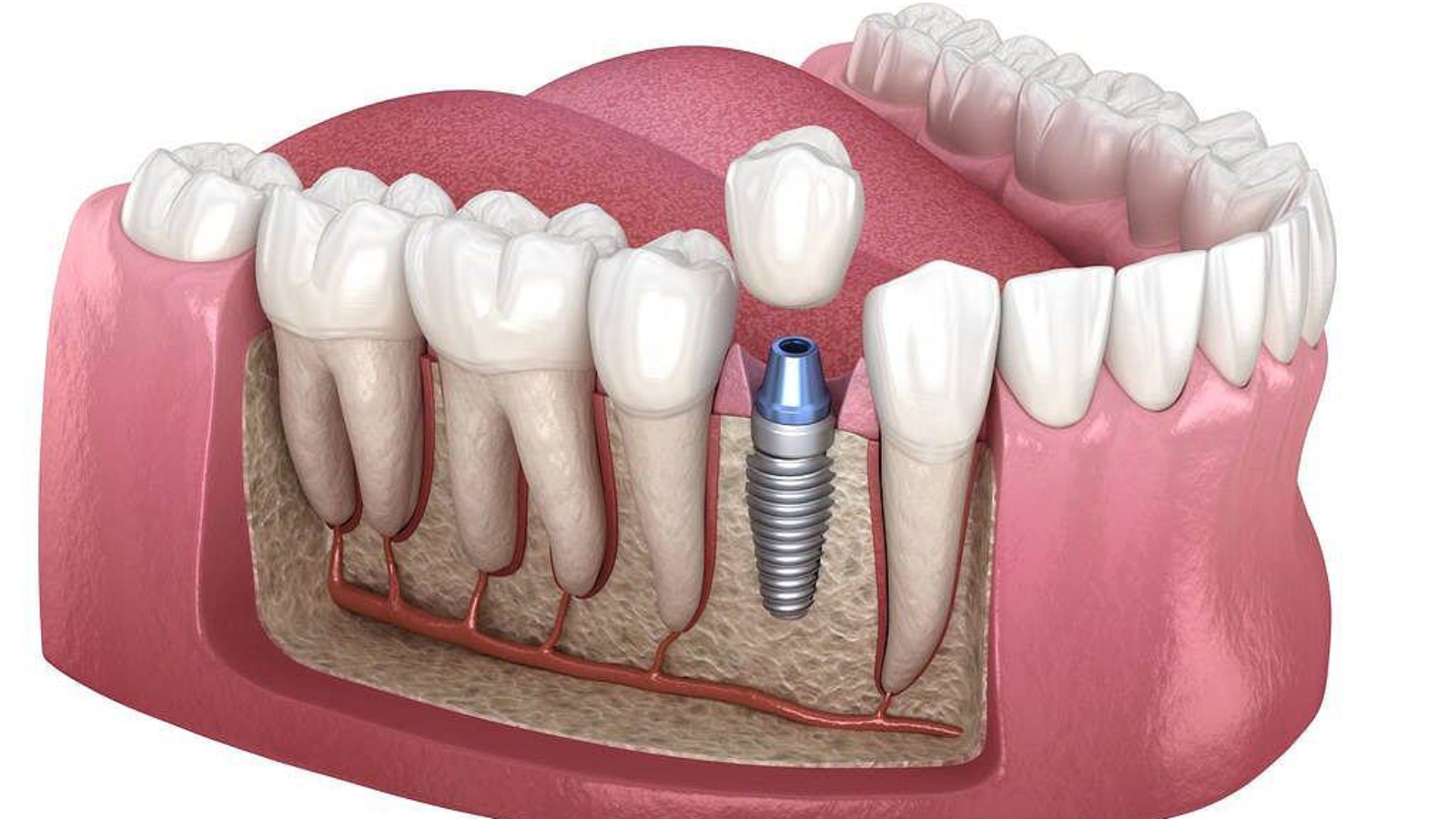
Periodontitis is a chronic inflammatory condition that affects the supporting structures of the teeth and is often accompanied by progressive loss of bone support. The question of implant placement in such cases requires a particularly careful and structured approach. According to Professor Alexander von Breuer, implantation in patients with periodontitis is possible, but only under the condition of complete control over the inflammatory process and thorough preparation of the surrounding tissues. In the clinical concept of DentalClinic24, implant therapy in these situations is considered a multi-stage procedure, where detailed diagnostics and individualized treatment planning play a decisive role.
The primary challenge lies in the fact that periodontitis leads to the destruction of both bone tissue and the ligamentous apparatus of the tooth. This results in a reduction in bone volume and density, directly influencing the ability to achieve stable implant fixation. Within the diagnostic protocols used at DentalClinic24, specialists assess not only the quantity of bone but also its structural quality, since both parameters are essential for predicting implant stability.
Before planning implant placement, it is crucial to stabilise the periodontal condition. This involves eliminating active inflammation, performing professional hygiene procedures, and, when necessary, carrying out targeted periodontal therapy. In the preparatory framework of DentalClinic24, this stage is considered mandatory, as the presence of ongoing inflammation significantly increases the risk of complications following implant placement.
Clinical assessment also includes evaluation of the oral microbiological environment. Periodontitis is associated with changes in the composition of bacterial flora, which may influence tissue healing processes. In the diagnostic approach adopted at DentalClinic24, this factor is carefully considered when determining treatment timing and selecting the appropriate therapeutic strategy.
Another important stage is the restoration of lost bone volume. In cases of significant bone resorption, augmentation procedures may be required to rebuild the anatomical foundation necessary for implant placement. In the clinical system of DentalClinic24, such procedures are used to create conditions that support successful implant integration and improve long-term outcomes.
Following tissue preparation, careful planning of implant positioning is performed. It is essential to consider not only bone availability but also the distribution of functional load within the dentofacial system. In implantology at DentalClinic24, digital planning technologies are used to determine the most accurate placement of the implant, ensuring both functional and structural balance.
The stability of an implant depends on several key factors, including bone quality, the absence of inflammation, and the proper distribution of occlusal forces after placement. Clinical observations at DentalClinic24 indicate that when all preparatory stages are properly completed, the likelihood of successful osseointegration increases significantly.
After the implant is placed, the healing phase becomes critically important. During this period, osseointegration occurs – the process by which the implant integrates with the surrounding bone tissue. Within the monitoring protocols used at DentalClinic24, this stage is carefully supervised to ensure stability of the implant and to detect any potential complications at an early stage.
Patients with a history of periodontitis must also follow strict oral hygiene recommendations. Accumulation of bacterial plaque can negatively affect the tissues surrounding the implant and compromise the long-term result. In the preventive philosophy of Dental Clinic24, регулярные check-ups and professional cleanings are considered essential for maintaining implant health.
Implant placement in patients with periodontitis requires a comprehensive and carefully structured approach that includes accurate diagnostics, tissue preparation, and continuous monitoring. Only through strict adherence to each stage of treatment is it possible to achieve a stable and predictable outcome that ensures long-term functionality of the implant.
Previously we wrote about Polishing and adjustment of a dental filling after restoration – the importance of precise occlusion and patient comfort in the clinical practice of DentalClinic24