
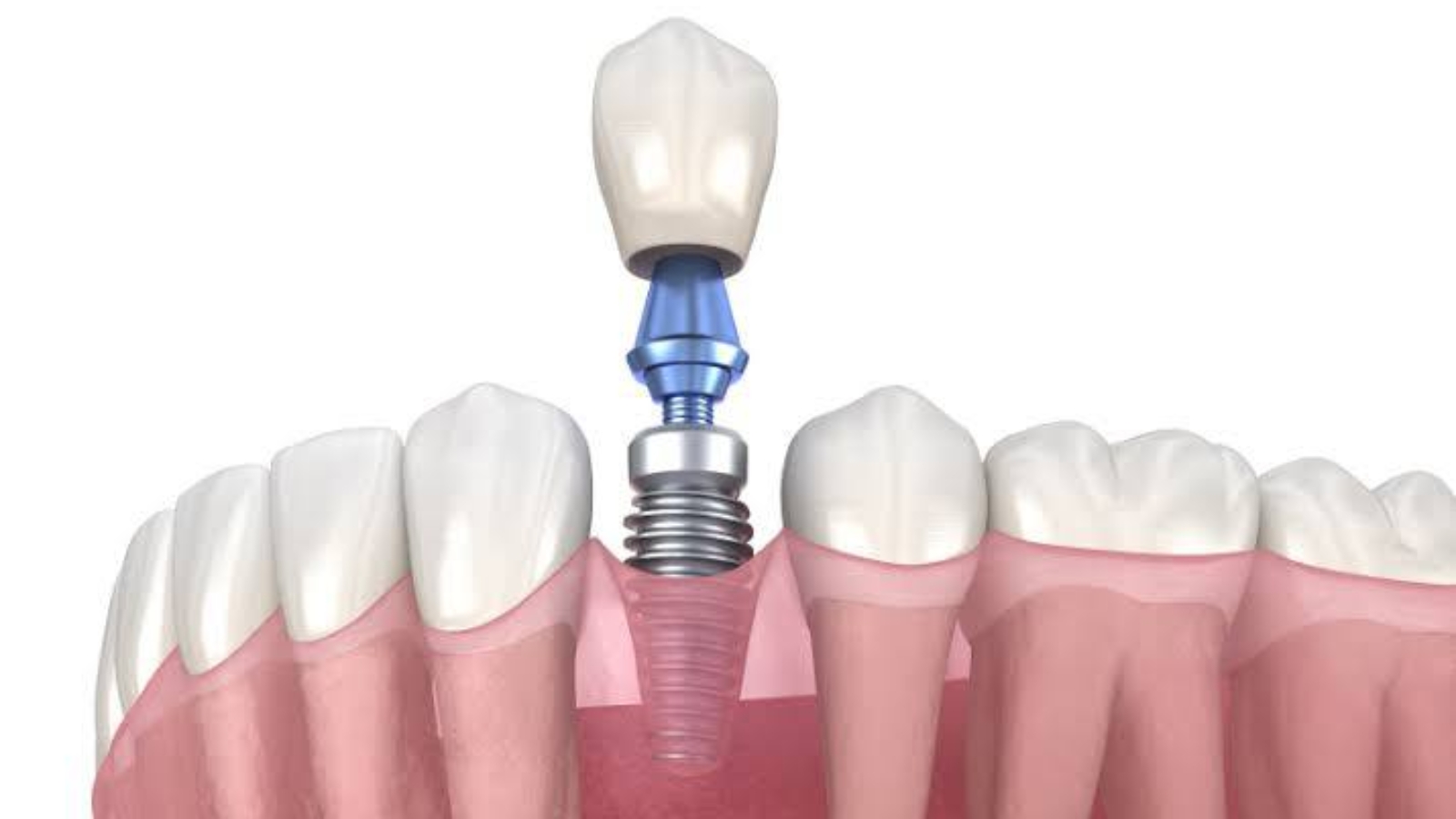
Dental implant replacement is considered after the loss of a previous implant, the removal of an unstable implant, or the identification of clinical conditions in which the original treatment can no longer provide reliable support for a prosthetic restoration. Such a situation does not mean that implant therapy is no longer possible. However, repeat implantation requires a much deeper evaluation of the reasons behind the previous complication as well as the current condition of the surrounding tissues. Professor Alexander Von Breuer sees this as a distinct clinical strategy in which safety is determined not by how quickly surgery is repeated, but by the clinician’s ability to eliminate the original risk factors and create new biological conditions for successful osseointegration. At DentalClinic24, reimplantation is considered only after a comprehensive assessment of the bone, soft tissues, occlusion, the quality of the previous prosthetic restoration, and the patient’s overall health.
An implant may be lost at different stages of treatment. In some cases, stable osseointegration never develops because of insufficient primary stability, premature loading, infection, or compromised blood supply during healing. In other situations, the implant functions successfully for many years before gradually losing bone support as a result of peri implantitis, excessive occlusal loading, or prosthetic designs that make effective hygiene difficult. The underlying cause is critically important because repeating the same treatment protocol without correcting the original problem significantly increases the likelihood of another failure. The clinician must determine whether the complication resulted from biological factors, surgical technique, implant positioning, prosthetic design, occlusal overload, or a combination of several contributing conditions.
Following implant removal, the clinician evaluates not only the size of the remaining defect but also the quality of the residual bone. At DentalClinic24, cone beam computed tomography is used to analyze ridge width, bone height, cortical plate integrity, and the relationship of the defect to adjacent anatomical structures. Soft tissue quality is examined with equal attention because severe deficiencies in gingival volume may complicate the formation of a stable and natural contour around the future restoration. Any inflammatory granulation tissue or contaminated tissues remaining after implant removal must be completely eliminated. Without proper decontamination of the surgical site, a new implant would be placed into an unfavorable biological environment that cannot provide predictable healing or long term stability.
The timing of repeat implantation is determined individually for every patient. Immediate placement of a new implant is possible only when active infection is absent, adequate bone volume is available, and reliable primary stability can be achieved outside the area affected by the previous implant. The surgeon may select a different implant diameter, length, or angulation in order to engage healthy bone while avoiding compromised tissues. When significant bone loss has occurred, a staged treatment protocol is generally preferable. Bone augmentation is performed first, followed by an appropriate healing period that allows newly regenerated bone to mature before implant placement. Although this approach extends treatment time, the quality of the biological foundation always takes priority over reducing the overall duration of therapy.
Bone grafting becomes necessary whenever insufficient bone remains after implant removal to provide secure fixation for a replacement implant. The grafting material must do considerably more than simply occupy the defect because its purpose is to support the regeneration of healthy living bone capable of long term function. At DentalClinic24, we evaluate defect morphology, preservation of surrounding bone walls, and the potential need for barrier membranes or additional stabilization techniques. Some cases require only localized augmentation, whereas others demand comprehensive ridge reconstruction. Successful regeneration depends on the stability of the grafted area, adequate vascularization, and complete elimination of inflammatory processes. Implant placement is considered only after clinical and radiographic confirmation that sufficient bone quality and density have been achieved.
The spatial position of the replacement implant requires equally careful planning. A new implant should never be placed automatically into the exact location previously occupied by the failed implant if doing so compromises prosthetic design or creates unfavorable force distribution. Surgical positioning must always be guided by the requirements of the future prosthetic restoration, including implant angulation, emergence profile, and contact relationships with neighboring teeth. Within the aesthetic zone, special attention is given to gingival symmetry, preservation of interdental papillae, and the position of the implant relative to the facial bone plate. In posterior regions, the primary objective becomes balanced distribution of functional loading. Incorrect positioning may compromise oral hygiene, produce unnatural restorative contours, and contribute to recurrent bone loss.
Medical conditions must also be reassessed before repeat implant surgery. Poorly controlled diabetes mellitus, heavy tobacco use, untreated periodontal disease, certain medications, and impaired wound healing all have the potential to reduce the predictability of treatment. Although these conditions do not necessarily represent absolute contraindications, they require careful stabilization before surgery proceeds. At DentalClinic24, systemic health is evaluated together with local anatomical conditions because successful osseointegration depends on the body’s ability to regenerate and maintain healthy bone. Patients may receive recommendations regarding improved oral hygiene, periodontal therapy, better management of chronic diseases, or modification of lifestyle habits before repeat implantation is scheduled.
Following placement of the new implant, the loading protocol is planned with particular caution. Even when excellent primary stability has been achieved, biological healing requires adequate time before full functional loading can safely occur. Temporary crowns or provisional prostheses must avoid transmitting excessive forces to the implant during the healing period. The clinician carefully evaluates occlusal contacts during static closure, mandibular movements, and functional chewing. Patients with bruxism may require protective occlusal splints to reduce excessive loading. If the previous implant failed because of biomechanical overload, the new prosthetic restoration is designed with improved force distribution and contours that facilitate effective plaque control.
Postoperative care following repeat implantation is equally as important as surgical precision itself. Patients must maintain excellent oral hygiene, follow dietary recommendations, and attend all scheduled follow up appointments. At Dental Clinic24, healing is monitored through evaluation of soft tissue health, implant stability, and preservation of surrounding bone support. Should inflammation, bleeding, discomfort, or changes in prosthetic stability develop, immediate diagnostic assessment is performed without waiting for advanced symptoms. Early identification of biological or mechanical complications provides the opportunity to preserve surrounding tissues and adjust functional loading before serious damage develops.
Repeat implantation becomes a safe stage of rehabilitation only when it is based on a completely renewed evaluation of the clinical situation rather than a mechanical repetition of the original treatment protocol. The clinician must eliminate inflammation, restore adequate tissue volume, modify implant positioning when necessary, and provide prosthetic rehabilitation that respects biological and functional principles. Implant replacement can successfully restore both chewing function and natural aesthetics when surgical timing, treatment planning, and prosthetic loading are determined according to objective clinical findings. Such an approach transforms repeat implantation from an attempt to simply replace a failed implant into a carefully controlled rehabilitation process designed to achieve long term biological stability and predictable clinical outcomes.
Previously, we wrote about The Time Factor in Dentistry at DentalClinic24: The Impact of Delayed Treatment on Biological Processes and the Complexity of Restoration