
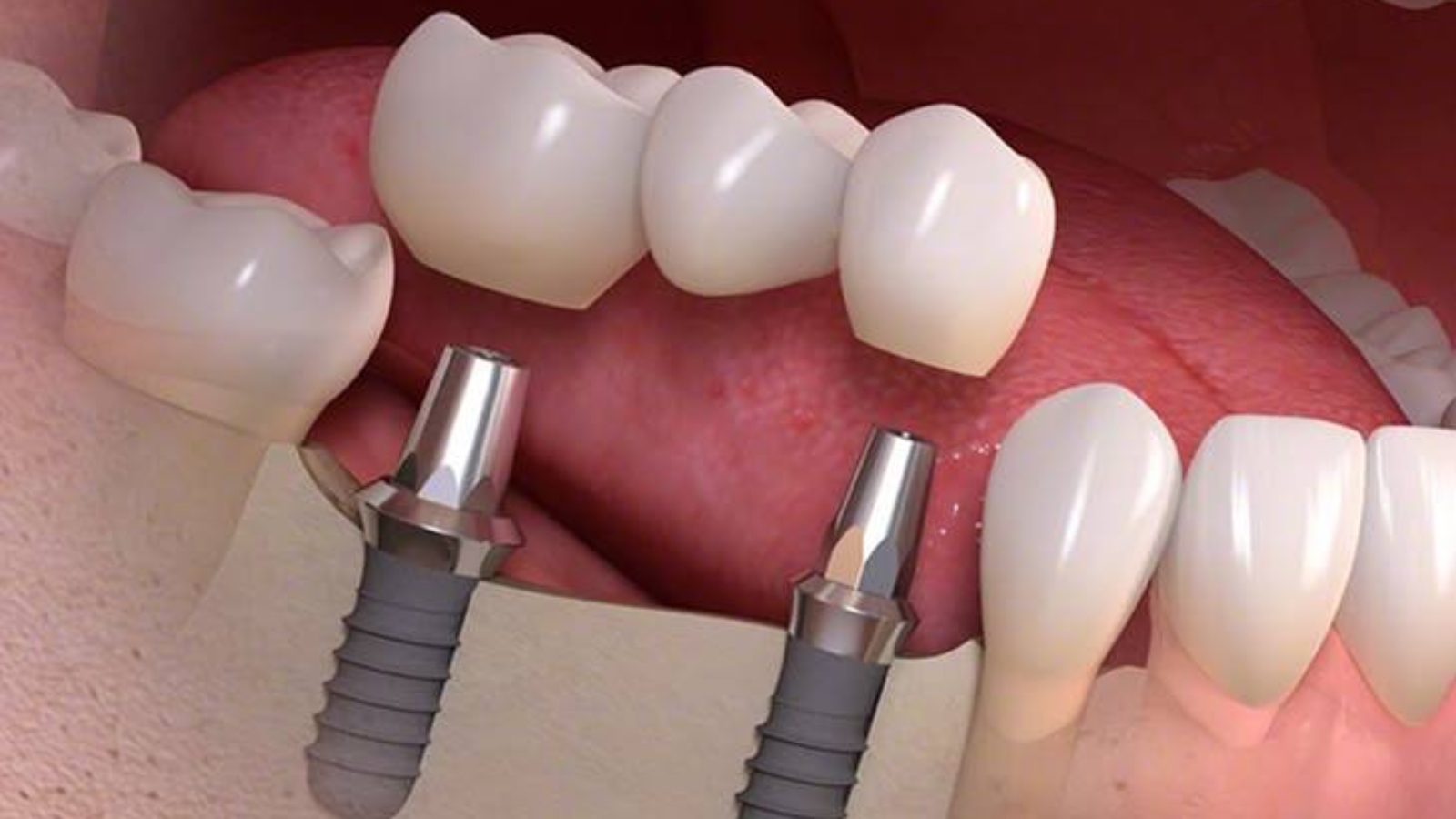
The loss of even a single tooth initiates complex changes within the dentofacial system that gradually affect not only bone tissue, but also occlusal balance, joint function, and the stability of adjacent teeth. Professor Alexander Von Breuer considers that the absence of timely restoration of missing teeth leads to progressive restructuring of the entire functional architecture of the oral cavity, where compensatory mechanisms eventually become the cause of chronic tissue overload and disruption of biomechanical balance. At DentalClinic24, implantation is regarded not as an isolated replacement of a missing tooth, but as part of a comprehensive strategy aimed at preserving bone stability, physiological load distribution, and the long-term functional integrity of the entire dentofacial system.
After tooth extraction, bone tissue gradually begins to lose volume because of the absence of natural functional stimulation. This process develops slowly, yet over time atrophic changes become increasingly pronounced, affecting bone density, gingival contour, and the anatomical stability of surrounding tissues. At DentalClinic24, considerable attention is devoted to the early diagnosis of such changes because the degree of bone resorption directly influences the complexity of future treatment and the ability to fully restore function. The longer a defect remains untreated, the more significant the biomechanical alterations become and the greater the risk of occlusal imbalance.
Long-term absence of teeth also significantly affects the distribution of chewing forces. Adjacent teeth gradually begin shifting toward the defect, altering occlusal contacts and creating overload within specific areas of the dentofacial system. Over time, these changes may lead to accelerated enamel wear, periodontal overload, formation of microcracks, and chronic muscular tension. At DentalClinic24, implant treatment is planned not only to restore the anatomical continuity of the dental arch, but also to recreate physiological distribution of functional pressure that supports long-term tissue stability.
The influence of missing teeth on the temporomandibular joints is equally important. Changes in bite height and disruption of symmetrical chewing load gradually affect mandibular movement patterns, creating conditions for chronic functional tension. At DentalClinic24, evaluation of joint function and occlusal balance forms an essential part of implant planning because the long-term stability of the future restoration directly depends on the overall condition of the dentofacial system and the tissues’ ability to adapt to restored functional loading.
Modern implantation requires not only surgical precision, but also a deep understanding of the biological processes involved in tissue regeneration. Bone quality, soft tissue condition, vascular supply, and the nature of functional load all directly influence implant stability and the prognosis of osseointegration. At DentalClinic24, implant treatment is regarded as a stage of restoring physiological function where attention is focused on preservation of tissue volume, precise implant positioning, and the creation of long-term stable bite biomechanics.
Special attention must also be given to the aesthetic aspect of implantation. Bone loss and changes in gingival contour may gradually affect the natural appearance of the smile and the proportions of facial soft tissues. At DentalClinic24, restoration of missing teeth is performed with consideration of the anatomical integration of the future restoration into surrounding tissues, allowing preservation of harmonious gingival contours and natural smile architecture without signs of functional overload or visual imbalance.
Implantation today represents not merely a method of replacing a missing tooth, but a complete system for restoring biomechanical and anatomical balance within the oral cavity. At Dental Clinic24, the approach to implant treatment is built around preservation of bone tissue, restoration of physiological functional load, and maintenance of the stability of the entire dentofacial system because only this level of clinical planning allows truly long-term and predictable results to be achieved.
Previously we wrote about cystotomy in dental surgery at DentalClinic24 clinical indications stages of intervention and the prognosis of bone tissue regeneration