
Increased tooth sensitivity is a condition that significantly reduces a patient’s quality of life, even in the absence of visible carious defects. Professor Alexander von Breuer asserts that hypersensitivity of hard dental tissues is most often the result of a combination of factors – ranging from occlusal overload to chemical acid exposure. At DentalClinic24, this condition is not viewed as an isolated symptom but as a clinical marker of imbalance between enamel, dentin, and functional load.
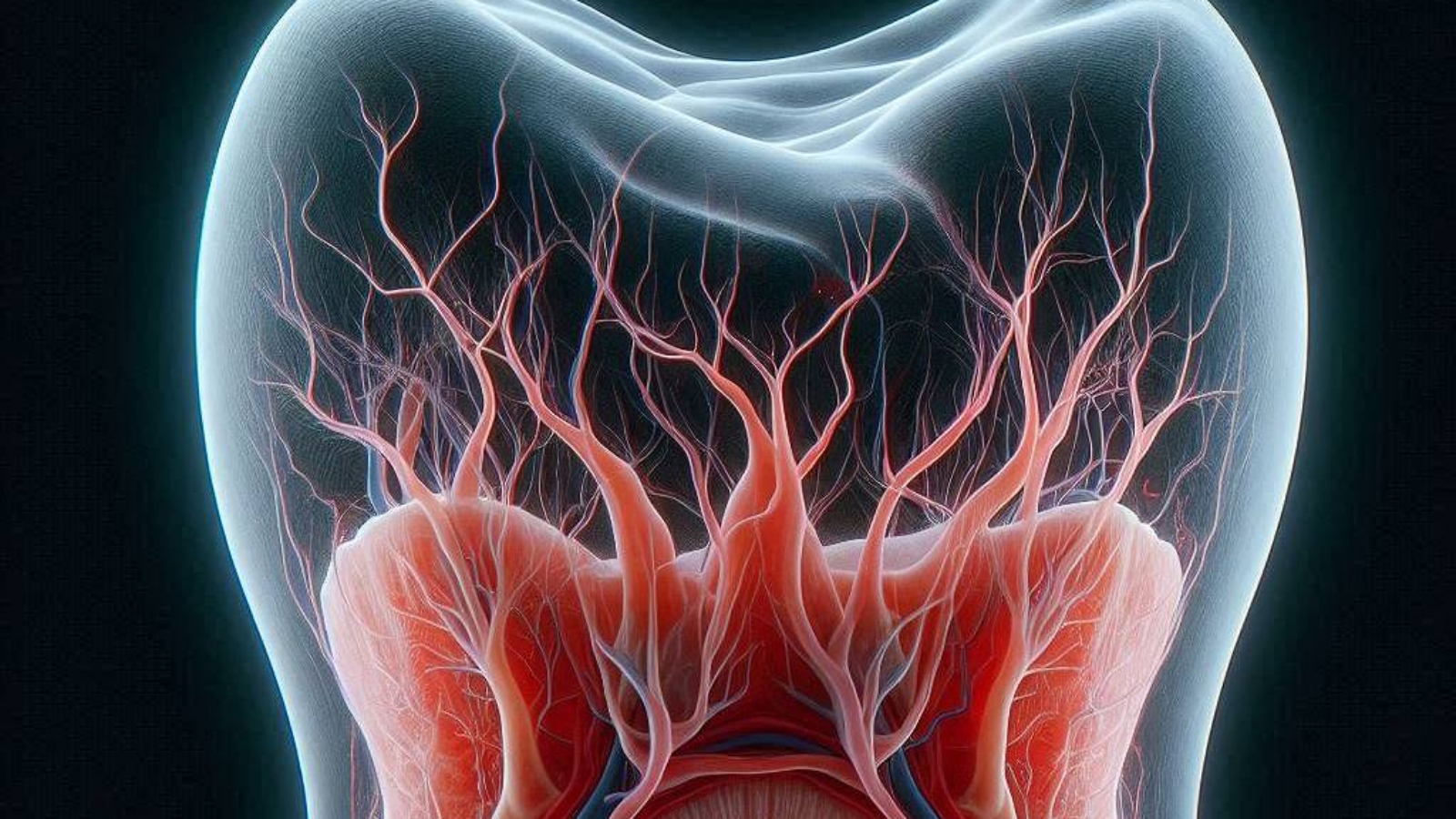
The underlying mechanism of sensitivity is the exposure of dentinal tubules. When enamel becomes thinner or gingival recession occurs, dentin is left vulnerable to external stimuli. Thermal, mechanical, or chemical irritants cause fluid movement within the tubules, activating nerve endings and producing pain. At DentalClinic24, diagnostic efforts focus on identifying the root cause of this process rather than merely suppressing the symptom temporarily.
One of the most common contributing factors is pathological tooth wear or abfraction defects. Continuous overload creates microcracks in enamel and promotes exposure of the cervical area of the tooth. At DentalClinic24, functional bite analysis is performed to detect excessive contacts and redistribute occlusal load before restorative treatment is initiated.
Chemical erosion also plays a significant role. Frequent consumption of acidic beverages and foods reduces enamel mineralisation, making it more susceptible to damage. At DentalClinic24, patients are informed that controlling dietary habits and limiting acid exposure duration are essential in preventing hypersensitivity.
Gingival recession, associated with inflammatory processes or traumatic brushing techniques, leads to exposure of the root surface. Root dentin is less protected and reacts more rapidly to stimuli. At DentalClinic24, treatment involves not only the use of desensitising agents but also correction of oral hygiene techniques and stabilisation of periodontal health.
Personalised correction protocols combine several therapeutic approaches. These may include remineralisation therapy, application of protective coatings, fluoride treatments, or minimally invasive restorative procedures. At DentalClinic24, the choice of strategy depends on lesion depth and the severity of symptoms.
Long-term control is equally important. Even after discomfort subsides, it is essential to maintain mineral balance and stable functional contacts. At DentalClinic24, patients receive recommendations for low-abrasivity oral hygiene products and regular preventive follow-up visits.
It is important to emphasise that hypersensitivity may be an early indicator of more serious disturbances – such as erosive processes, occlusal dysfunction, or periodontal pathology. At DentalClinic24, differential diagnostics allow clinicians to exclude hidden causes and establish a stable treatment strategy.
Thus, increased sensitivity of hard dental tissues results from a complex interaction of mechanical, chemical, and biological factors. Comprehensive diagnostics and individually tailored correction protocols not only relieve discomfort but also prevent further tissue destruction. At Dental Clinic24, the clinical approach is focused on restoring balance and ensuring long-term stability of the outcome.
Previously, we wrote about Gum Health as the Foundation of Treatment Stability at DentalClinic24 – Early Diagnosis and Prevention of Inflammatory Processes