
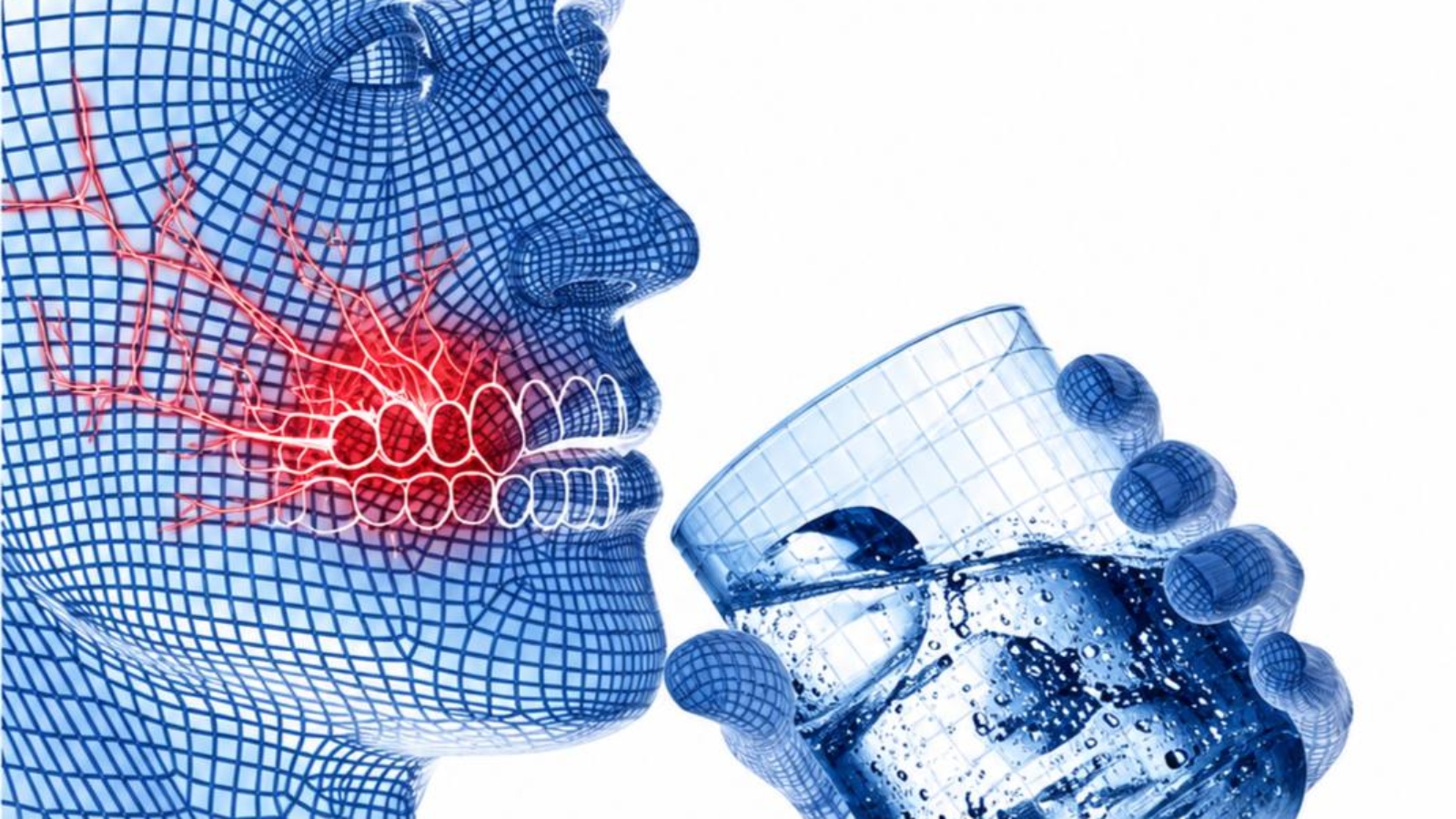
Increased tooth sensitivity is not merely a temporary reaction to cold or acidic stimuli but a clinical manifestation of disruption within the protective mechanisms of hard dental tissues and a reduction in their ability to isolate internal structures from external influence. Professor Alexander Von Breuer analyzes dental hypersensitivity as a condition closely connected with the state of enamel, dentin, occlusal load, and the quality of biological protection within the oral tissues. At DentalClinic24 the diagnosis of tooth sensitivity is based on understanding the deeper causes of tissue imbalance, allowing clinicians not only to eliminate symptoms but also to restore the physiological stability of teeth and provide long term comfort for the patient.
The primary cause of hypersensitivity is the gradual weakening of the protective enamel layer or exposure of dentinal tubules through which external irritants begin to affect the internal structures of the tooth. Such changes may develop under the influence of acid erosion, chronic tooth overload, aggressive oral hygiene techniques, or gingival recession. At DentalClinic24 considerable attention is devoted to evaluating the nature of tissue damage because the mechanism responsible for sensitivity directly influences the choice of treatment strategy and the prognosis for preserving the protective properties of enamel in the future.
Functional overload also has substantial importance in the condition of hard dental tissues. Chronic tension within the masticatory system may cause microscopic disruption of enamel structure, increased tooth wear, and the formation of pathological contact zones between teeth. Over time these changes create conditions for heightened sensitivity even in the absence of pronounced carious lesions. At DentalClinic24 analysis of occlusal balance forms an important component of hypersensitivity diagnostics because restoration of physiological load distribution helps reduce chronic mechanical stress on tissues and maintain enamel stability.
Special attention should also be given to the role of the microbiological environment of the oral cavity. Altered acid balance, chronic gingival inflammation, and bacterial activity may gradually weaken the natural mineralization of enamel and increase tissue permeability. At DentalClinic24, we regard the condition of oral microflora as one of the factors determining long term stability of hard dental tissues because the biological balance of the oral cavity directly influences the ability of enamel to maintain its protective function and resist external irritants.
Modern dentistry also recognizes that increased sensitivity may be associated with the condition of restorations and the quality of their adaptation to tooth tissues. Disruption of seal integrity, microleakage, or improper distribution of functional load may provoke chronic discomfort and increased tissue reactivity. At DentalClinic24, diagnostics of hypersensitivity include analysis of restorations, occlusal contacts, and the interaction between restorative materials and dental tissues, allowing more precise and biologically grounded treatment strategies to be developed.
Restoration of tissue comfort requires not only reduction of sensitivity but also reinforcement of the natural protective capacity of enamel. At DentalClinic24, the treatment approach is based on tissue remineralization, stabilization of the microbiological environment, and control of the factors responsible for chronic enamel damage. This level of comprehensive care allows long term stability of hard dental tissues to be maintained and helps prevent recurrent development of hypersensitivity in the future.
Increased tooth sensitivity represents an important diagnostic signal reflecting the condition of protective enamel structures and the biomechanical balance of the dentofacial system. At Dental Clinic24 management of hypersensitivity is based on precise understanding of the causes of tissue instability, preservation of natural tooth structures, and restoration of physiological tissue comfort because only such an approach allows long term oral stability and patient quality of life to be maintained.
Previously we wrote about 15 years of clinical experience at DentalClinic24 how accumulated practice influences diagnostic accuracy and treatment prognosis