
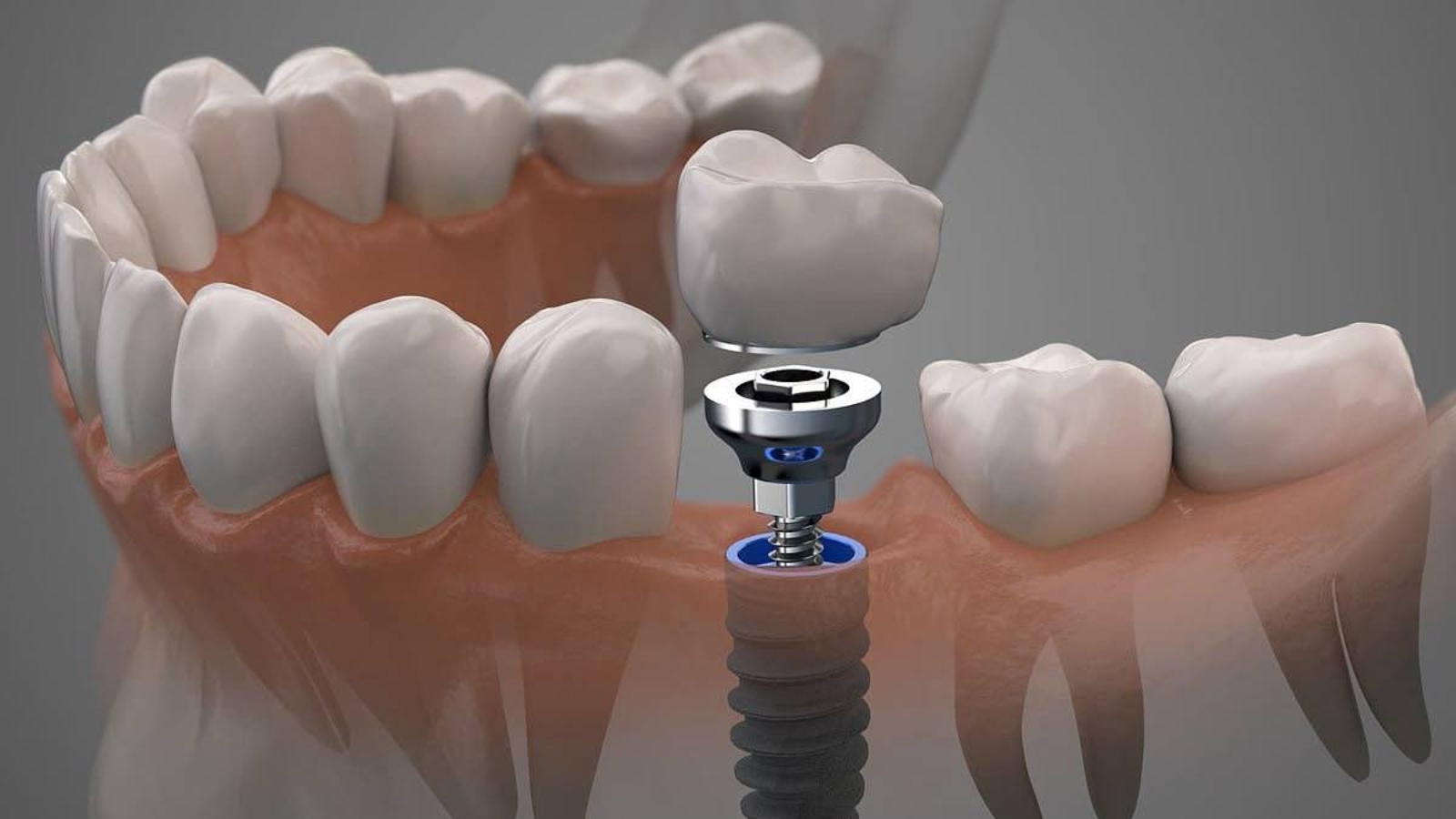
Restoring missing teeth requires not only technical precision but also strict clinical selection of indications. Professor Alexander von Breuer considers implant placement not as a universal solution, but as a method that should be applied only when clearly defined anatomical and systemic conditions are present. At DentalClinic24, the decision to proceed with implantation is always based on comprehensive diagnostics rather than solely on the patient’s desire to restore the dentition.
Clinical indications for implant placement include single-tooth loss, multiple edentulous spaces, and the need for reliable support for prosthetic constructions. However, even when a defect is present, the dentist evaluates the condition of adjacent teeth, the nature of the bite, and the distribution of masticatory load. At DentalClinic24, an implant is regarded as part of a functional system rather than an isolated support structure.
The volume and quality of bone tissue are of particular importance. Insufficient height or density of bone may require preliminary preparation – such as bone grafting or sinus lifting. At DentalClinic24, the decision to proceed with implantation is made only after careful analysis of tomographic data and assessment of osteointegration potential. This approach reduces the risk of overload and early implant failure.
The condition of soft tissues also influences the indication for implantation. Gingival thickness, the level of attachment, and the mucosal biotype determine the stability of the implant margin and the long-term aesthetic outcome. At DentalClinic24, evaluation of the soft tissue component is performed during the planning stage to prevent future inflammatory complications.
Systemic risk factors occupy a separate and essential place in clinical assessment. Diabetes mellitus, cardiovascular diseases, metabolic disorders, and smoking can significantly affect regenerative processes. At DentalClinic24, implantation is not automatically excluded in the presence of systemic conditions, but the treatment strategy is adapted according to the individual characteristics of the patient’s health.
Age itself is not considered an absolute limitation. The biological condition of tissues and the body’s regenerative capacity are far more important. At DentalClinic24, implant placement in elderly patients is performed only after evaluating bone density, overall health status, and ongoing medication therapy.
Functional diagnostics plays a crucial role. Occlusal disturbances, asymmetric load distribution, and temporomandibular joint dysfunction may alter the prognosis of implantation. At DentalClinic24, analysis of occlusion and mandibular movements is conducted prior to the surgical stage to eliminate potential biomechanical risks.
There are clinical situations in which alternative restoration methods may be preferable. If osteointegration prognosis is unfavorable or systemic risks are significant, a fixed bridge or removable prosthesis may be selected. At DentalClinic24, priority is given not to the popularity of a method but to its clinical justification.
The preparatory phase includes full oral sanitation and stabilization of inflammatory processes. Implant placement is not performed in the presence of active periodontitis or chronic infection. At DentalClinic24, this principle is strictly observed because the condition of surrounding tissues directly affects the lifespan of the implant-supported restoration.
Thus, indications for implant placement are formed on the basis of anatomical, functional, and systemic criteria. Careful assessment of risk factors increases treatment predictability and reduces the likelihood of complications. At Dental Clinic24, implantation is viewed as part of a comprehensive treatment plan aimed at long-term stability and preservation of overall dentofacial health.
Previously, we wrote about clinical examination at DentalClinic24 – why advanced diagnostics form the basis of evidence-based dental decisions.