
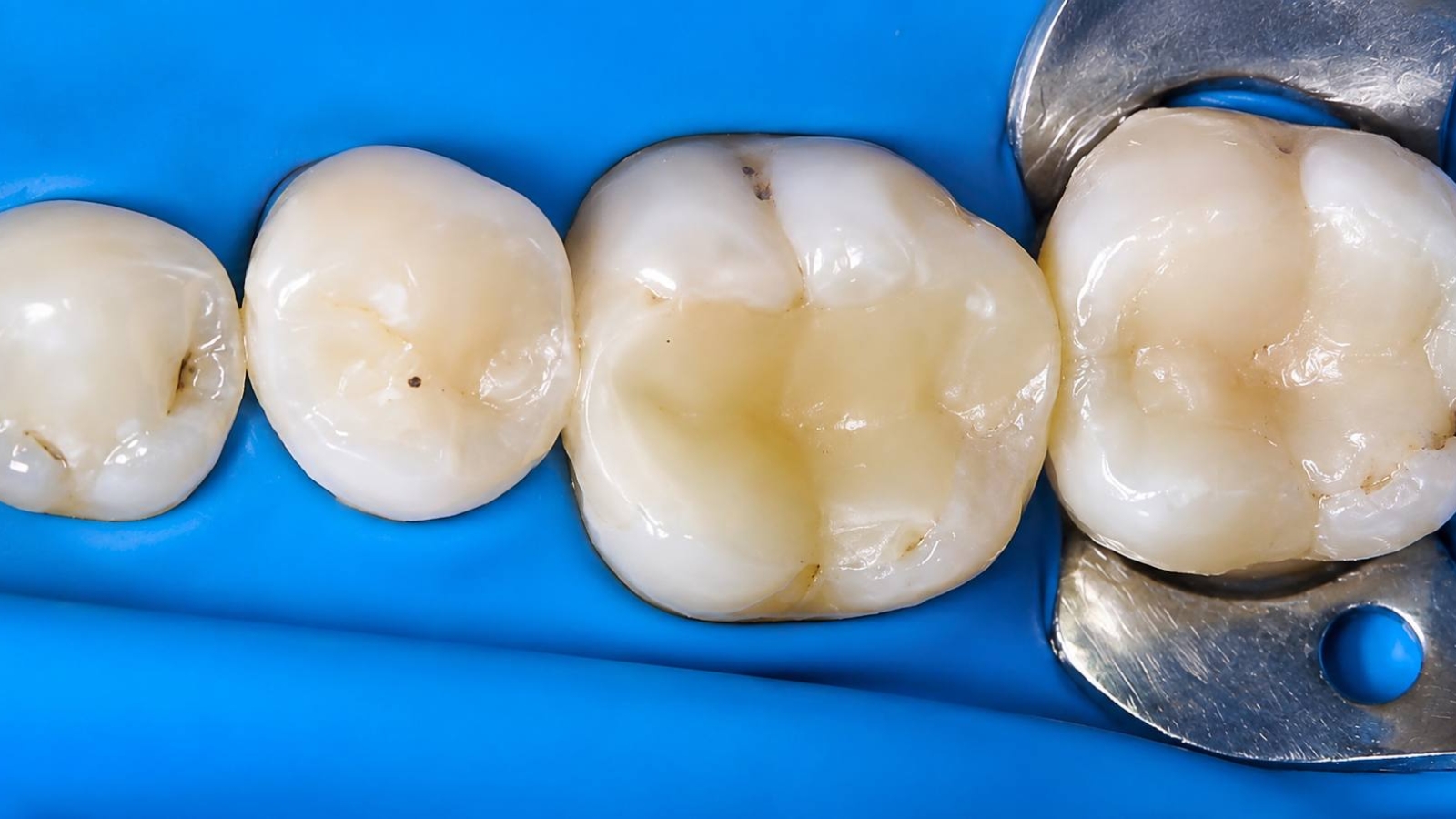
The longevity of a modern dental restoration depends not only on the quality of the material used or the precision with which the restoration is fabricated. In many cases, the strength of the bond between the restoration and the natural tooth structure plays a decisive role. Professor Alexander Von Breuer believes that reliable fixation is one of the most underestimated factors in the long term success of restorative and prosthetic treatment because even a perfectly manufactured restoration loses its clinical value when the adhesive connection becomes compromised. At DentalClinic24, particular attention is devoted to indirect adhesion because the quality of fixation largely determines the service life of veneers, inlays, onlays, crowns, and other indirect restorations.
Indirect adhesion is a method of connecting a laboratory fabricated restoration to the tooth through specialized adhesive protocols and luting materials. Unlike direct restorations, where the material is applied directly within the oral cavity, indirect restorations are created outside the clinical environment and later bonded to prepared dental tissues. This approach allows for exceptional anatomical precision and aesthetic control, but it also places significantly greater demands on the quality of adhesive interaction. Any deviation during surface preparation, material conditioning, or cementation can affect the integrity of the bond and compromise the long term stability of the restoration.
The clinical significance of indirect adhesion extends far beyond simple mechanical retention. A reliable adhesive connection promotes even distribution of functional forces between the restoration and the tooth, reduces the risk of microleakage, and helps maintain a sealed restoration margin for many years. When adhesive protocols are not executed with sufficient precision, conditions may develop that allow bacterial penetration, secondary caries formation, and gradual weakening of retention. At DentalClinic24, every stage of preparation is viewed as part of a unified biomechanical system that influences treatment prognosis just as significantly as the restoration itself.
Particular attention is given to the interaction between restorative materials and dental tissues. Modern dentistry utilizes advanced materials such as ceramics, lithium disilicate, composite systems, and other high performance restorative solutions, each of which requires a carefully defined surface treatment protocol. Microscopic changes within the material structure can significantly influence bond strength and long term performance. For this reason, contemporary fixation methods combine both chemical and mechanical adhesion principles to create the strongest possible connection between the restoration and the tooth. At DentalClinic24, the selection of an adhesive strategy is always based on the characteristics of the restorative material and the specific clinical requirements of each case.
An equally important factor is the condition of the natural tooth structure itself. Enamel quality, the amount of preserved dentin, surface moisture control, and the specifics of tooth preparation all directly influence the effectiveness of fixation. Even the most advanced adhesive systems cannot fully compensate for deficiencies that occur during the clinical preparation stage. At Dental Clinic24, significant emphasis is placed on preserving healthy tissues and creating optimal conditions for the development of a durable adhesive interface capable of withstanding years of functional loading.
Modern indirect adhesion represents a sophisticated clinical technology upon which the reliability of most indirect restorations depends. The more accurately the adhesive protocol is performed, the more stable the restoration becomes and the longer the achieved result can be maintained. It is the combination of advanced materials, strict bonding protocols, and a deep clinical understanding of biomechanics that allows clinicians to achieve outstanding restoration longevity while supporting the long term preservation of oral health and function.
Previously we wrote about Preparation for Orthodontic Treatment at DentalClinic24 Diagnostics of Occlusal Biomechanics Oral Cavity Sanitation and the Formation of Conditions for Predictable Tooth Movement