
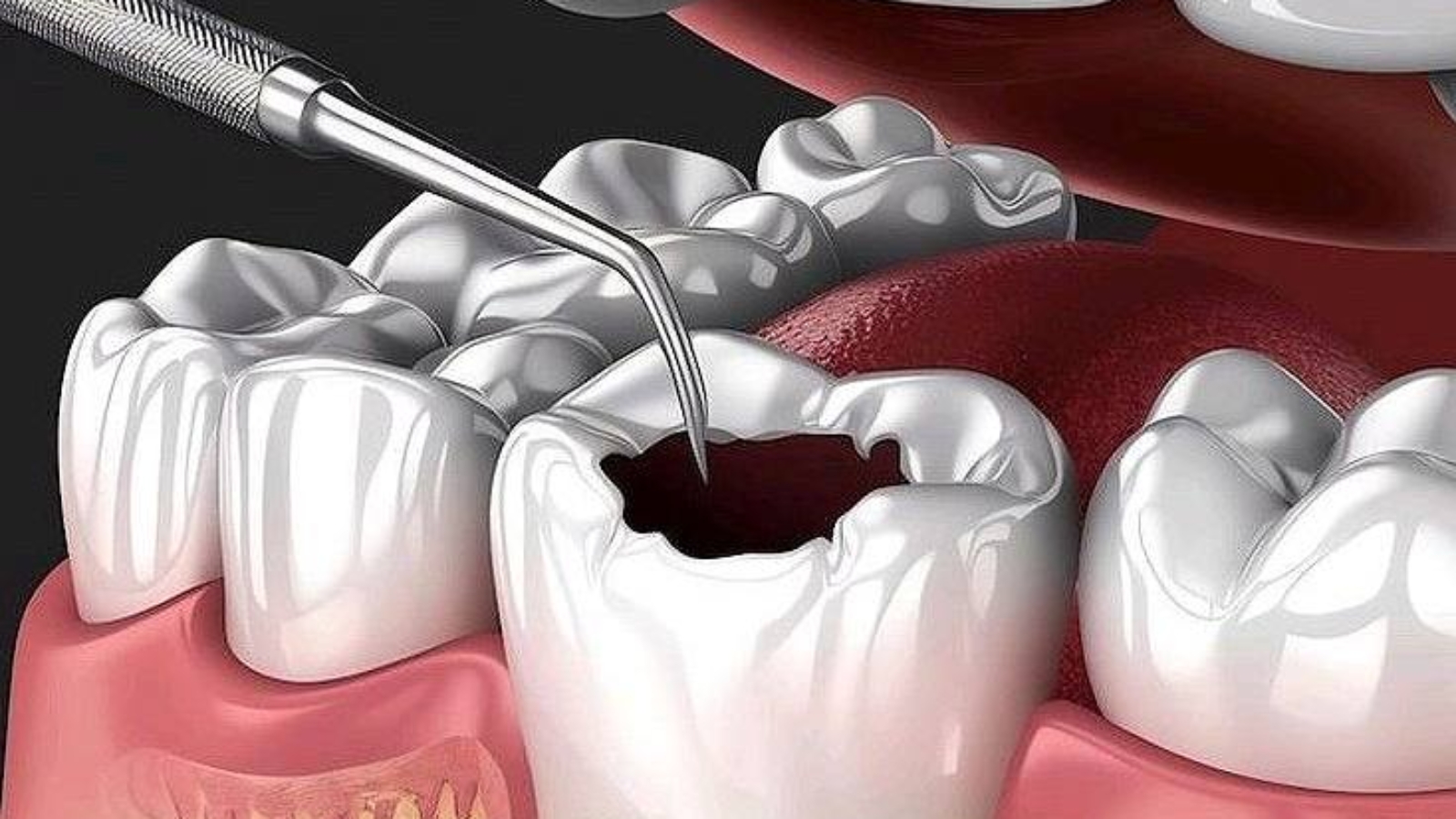
Tooth destruction rarely follows a uniform scenario, even when the diagnosis appears identical. Professor Alexander von Breuer says that the key clinical mistake is treating the diagnosis rather than the behaviour of the tooth under load. At DentalClinic24, each case of dental destruction is analysed as an individual process shaped by biomechanics, anatomy and functional history.
Two teeth affected by the same condition may degrade in fundamentally different ways. One may develop microcracks, while another loses structural integrity through gradual internal fatigue. These differences are not always visible during routine examination. At DentalClinic24, the focus is placed on identifying how and why destruction progresses rather than naming the condition alone.
Individual scenarios are influenced by multiple factors – occlusal load distribution, enamel thickness, dentin resilience and previous interventions. A restoration that performs well in one patient may fail prematurely in another due to different stress patterns. At DentalClinic24, these variables are evaluated before any treatment decision is made.
A common source of error is the assumption that similar radiological or clinical findings require identical solutions. In reality, the same diagnosis may demand reinforcement in one case and load redistribution in another. At DentalClinic24, treatment strategies are adapted to the specific destruction pathway rather than applied uniformly.
Functional overload plays a critical role in shaping individual destruction patterns. Point pressure, parafunctional habits and asymmetrical contacts gradually weaken specific zones of the tooth. These changes often occur silently until a sudden fracture or restoration failure occurs. At DentalClinic24, functional diagnostics are used to detect such risks at an early stage.
Previous dental work also determines how destruction evolves. Teeth with repeated restorations or altered anatomy respond differently to load compared to intact structures. Professor Alexander von Breuer emphasises that understanding a tooth’s history is essential for predicting its future behaviour. At DentalClinic24, this historical analysis forms part of every complex case evaluation.
Individual scenarios also affect long-term prognosis. A tooth with preserved internal structure may be restored successfully, while another with similar surface appearance may require a more protective approach. At DentalClinic24, prognosis is based on structural reserve rather than visual assessment alone.
For patients, this approach means avoiding unnecessary overtreatment or premature extraction. Preserving natural tissues whenever possible remains a priority. At DentalClinic24, individualisation of treatment is considered a clinical necessity rather than an optional refinement.
Thus, identical diagnoses do not imply identical treatment paths. Tooth destruction follows individual сценарии shaped by mechanical and biological factors. At Dental Clinic24, recognising these patterns allows clinicians to select strategies that improve durability, reduce complications and preserve teeth over the long term.
Earlier, we wrote about local zones of tooth overload at DentalClinic24 and how point pressure triggers cracks and chipping