
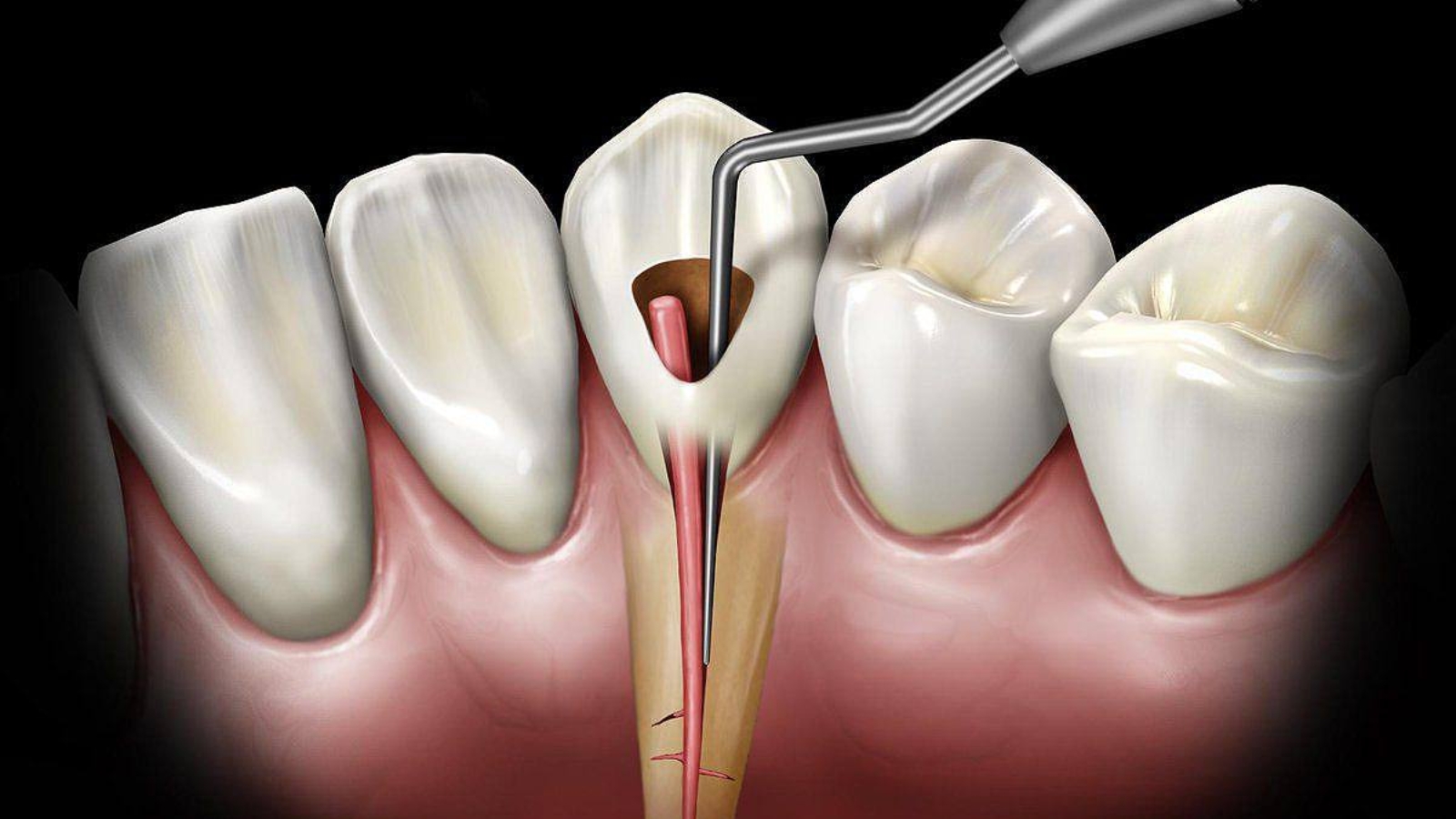
Inflammation of the dental pulp represents one of the most clinically complex situations in restorative dentistry, as the decision made at this stage directly affects the long-term prognosis of the tooth. According to the methodology of Professor Alexander von Breuer, the key question is not whether inflammation is present, but whether the pulp still retains adaptive and biological potential. At DentalClinic24, this principle defines the decision-making process from the very first examination.
Pulp inflammation does not follow a single clinical pattern. Symptoms may range from transient sensitivity to persistent pain, while structural changes inside the tooth may vary significantly. In some cases, inflammation is reversible, whereas in others it indicates irreversible damage. At DentalClinic24, diagnosis focuses on identifying the stage of the inflammatory process rather than reacting solely to patient-reported discomfort.
One of the decisive factors is pulp vitality. A living pulp plays an essential role in dentin nutrition, sensory regulation and structural resilience of the tooth. Preserving this tissue maintains the tooth’s natural defensive mechanisms. At DentalClinic24, vitality testing, response to stimuli and clinical behaviour under load are analysed together to determine whether preservation is clinically justified.
Equally important is the condition of surrounding dentin. Even when inflammation is present, sufficient dentinal thickness and structural integrity may allow conservative treatment. However, if inflammation is accompanied by extensive tissue breakdown or compromised internal architecture, the risk of progression increases. At DentalClinic24, such assessments are based on prognosis rather than immediate symptom relief.
The history of the tooth also plays a critical role. Previous restorations, repeated interventions and changes in load distribution may reduce the pulp’s ability to recover. These factors do not automatically indicate the need for pulp removal, but they significantly influence the treatment strategy. At DentalClinic24, the cumulative biological burden is always taken into account.
Professor Alexander von Breuer emphasises that pulp removal should never be considered a routine solution. Endodontic treatment is justified only when preservation would compromise long-term stability or patient safety. This approach shifts the focus from eliminating inflammation to maintaining biological balance whenever possible.
For patients, the decision between pulp preservation and removal has lasting consequences. Preserved pulp tissue supports natural tooth behaviour and improves long-term resilience under functional load. At DentalClinic24, tooth preservation is viewed not as a compromise, but as a clinically grounded choice when sufficient biological reserve exists.
Follow-up observation is an essential part of this strategy. Inflammatory processes may evolve over time, and ongoing assessment allows timely modification of the treatment plan. At DentalClinic24, dynamic monitoring helps avoid premature irreversible decisions and reduces the risk of complications.
Thus, managing dental pulp inflammation requires structured clinical analysis rather than protocol-based action. By evaluating vitality, structural integrity and long-term prognosis, clinicians can choose the most biologically appropriate path. At Dental Clinic24, decisions regarding pulp preservation or removal are based on comprehensive diagnostics, biomechanical understanding and predictive clinical reasoning.
Earlier, we wrote about adaptation of the dentofacial system after treatment at DentalClinic24 and how the body gradually reorganises over time