
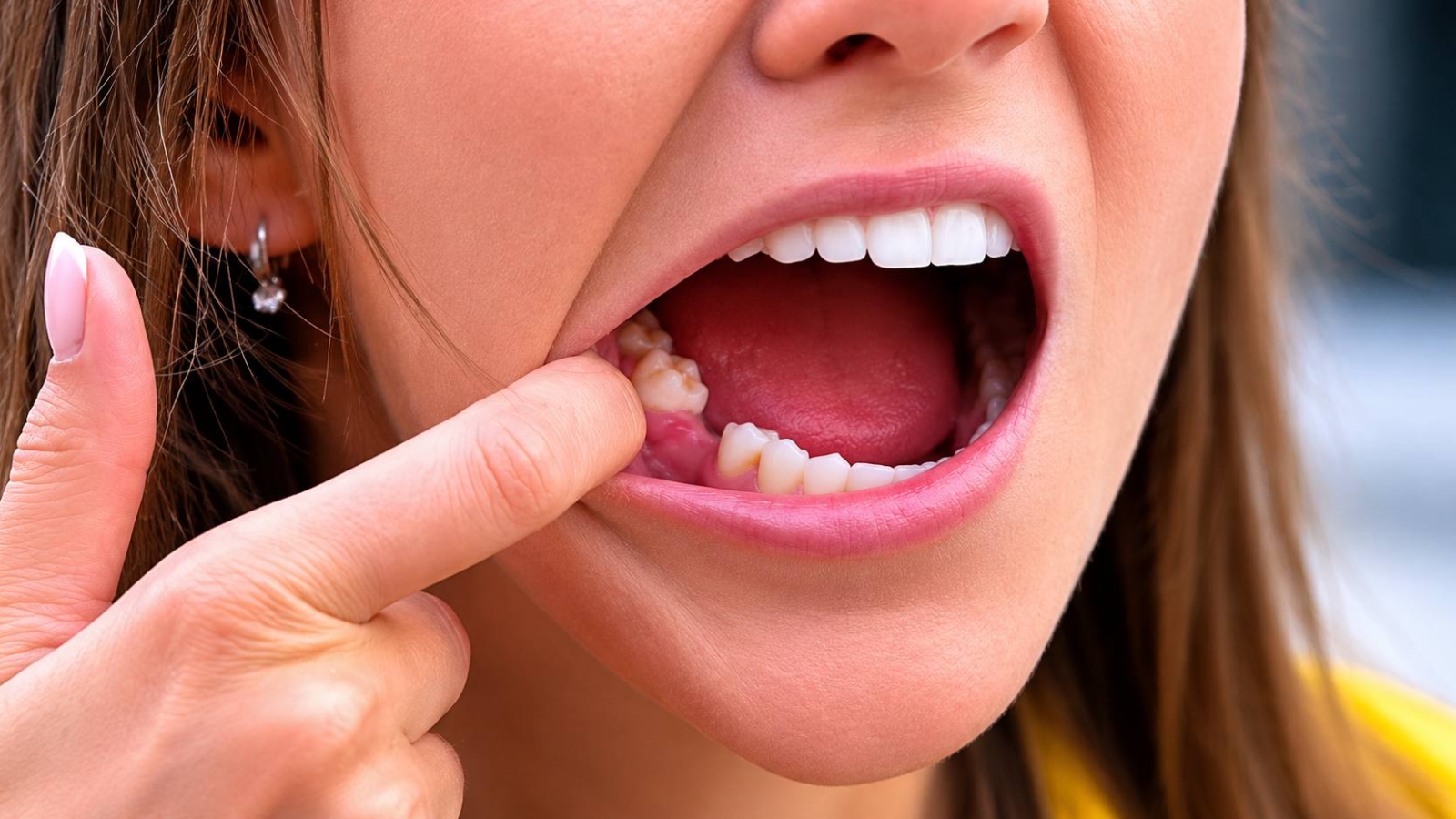
The healing process after tooth extraction normally represents a strictly regulated biological sequence that includes blood clot formation, protection of bone tissue, and gradual regeneration of soft structures. Professor Alexander Von Breuer notes that inflammation of the tooth socket is one of the most clinically significant post extraction complications because even a localized disruption of early healing can affect surrounding tissues and the overall prognosis of recovery. At DentalClinic24, we view socket inflammation not as an isolated postoperative complaint but as a pathological process requiring precise clinical control and timely intervention to prevent deeper inflammatory changes.
After extraction, the stability of the blood clot inside the socket plays a critical role. It serves as a biological matrix that protects the bony walls from external exposure, bacterial contamination, and mechanical irritation. If the clot becomes displaced, breaks down prematurely, or fails to form properly, the protective barrier disappears. The exposed bone tissue becomes vulnerable to infection and inflammatory reactions. This condition is often associated with alveolitis, which is accompanied by severe pain, unpleasant odor from the oral cavity, and delayed tissue recovery. At DentalClinic24, we emphasize that socket inflammation rarely develops without predisposing factors. Its formation may be influenced by traumatic extraction, smoking, failure to follow postoperative instructions, weakened local immunity, chronic infection, and complex root anatomy.
The clinical significance of this complication extends far beyond temporary pain. The inflammatory process triggers a cascade of tissue reactions that disrupt physiological healing. Vascular permeability increases, cellular infiltration intensifies, and the concentration of inflammatory mediators rises. This leads to significant swelling, pain, and reduced regenerative potential of the tissues. Inflammation may spread to surrounding periodontal structures, the periosteum, and adjacent bone areas, especially if the focus remains uncontrolled. At DentalClinic24, we evaluate post extraction complications through the perspective of long term prognosis because the quality of socket healing directly affects future stages of rehabilitation, including implant placement, bone grafting, and prosthetic restoration.
Particular attention must be given to the effect of socket inflammation on the bone architecture of the alveolar ridge. During physiological healing, bone remodeling gradually occurs while preserving the maximum possible tissue volume. However, in the presence of pronounced inflammation, resorption processes begin to dominate over regeneration. This may result in additional bone loss, altered ridge contours, and poorer conditions for future restoration of the missing tooth. At DentalClinic24, we believe that preserving the biological parameters of bone tissue after extraction is one of the key goals of modern surgical dentistry because every complication increases the complexity of future treatment.
The clinical approach to inflammation control begins even before tooth extraction. Preoperative diagnostics make it possible to assess the presence of chronic infectious foci, the degree of tissue destruction, periodontal condition, and potential complication risks. Equally important is the extraction technique itself. The less trauma inflicted on soft tissues and bone structures, the higher the probability of predictable healing. At DentalClinic24, surgical protocols are built around principles of atraumatic intervention, precise hemostasis, and strict postoperative monitoring. This approach minimizes inflammatory reactions and supports the body’s natural tissue recovery mechanisms.
Inflammation of the socket after tooth extraction is a clinical signal that the physiological healing process has been disrupted and requires professional intervention. Timely diagnosis, local infection control, and proper postoperative management make it possible to stop the pathological process before more severe complications develop. For Dental Clinic24, successful tooth extraction is defined not by the moment of removal itself but by the quality of complete tissue recovery after surgical intervention. Long term treatment stability always begins with controlled and biologically correct healing.
Previously we wrote about From Diagnosis to Results: Why Treatment Quality Begins Long Before the First Intervention