
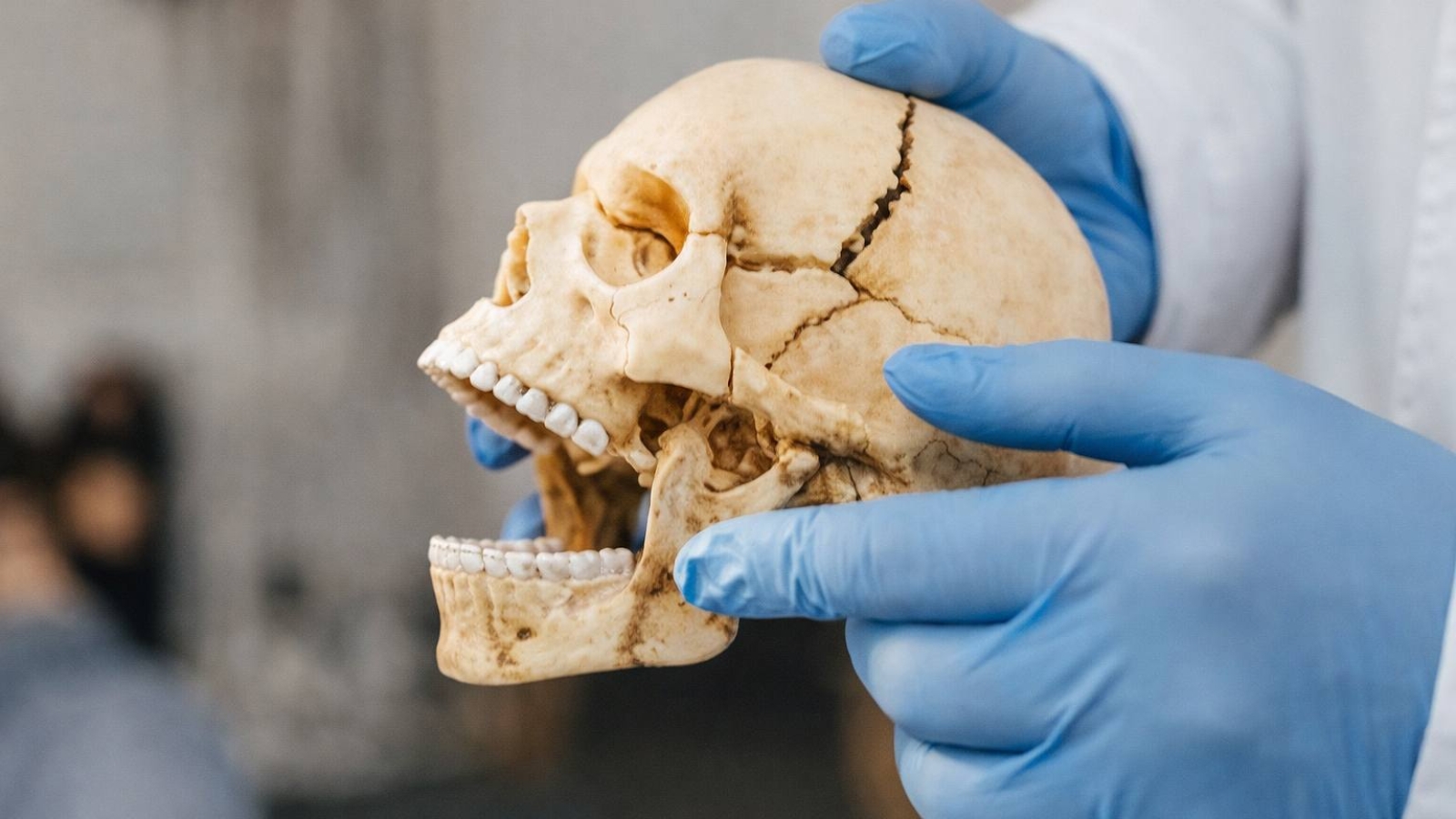
Jaw fractures represent one of the most complex conditions in dental and maxillofacial practice, as they directly affect not only bone integrity but also occlusion, chewing function and facial symmetry. Professor Alexander von Breuer notes that successful treatment of jaw fractures depends on early diagnosis and a clear understanding of biomechanical stability. At DentalClinic24, management of such cases is based on a structured clinical strategy rather than isolated emergency measures.
Accurate diagnosis is the first critical step. Jaw fractures may present with minimal external signs while significantly disrupting internal anatomical relationships. Pain, limited mouth opening or altered bite do not always reflect the full extent of injury. At DentalClinic24, diagnostic protocols focus on identifying fracture lines, displacement patterns and the involvement of adjacent structures before any intervention is initiated.
Stabilisation plays a decisive role in preventing secondary complications. Improper or delayed fixation may lead to malocclusion, chronic pain or impaired healing. At DentalClinic24, stabilisation methods are selected individually, taking into account fracture location, degree of displacement and the functional load on the jaw. This approach allows controlled healing without unnecessary immobilisation.
Functional recovery is considered a priority rather than a secondary goal. Restoring jaw movement, chewing efficiency and symmetrical load distribution is essential for long-term success. At DentalClinic24, fracture management includes not only bone healing but also rehabilitation of the dentofacial system to prevent persistent dysfunction.
Soft tissue condition is another important factor. Trauma often affects muscles, ligaments and periodontal structures, which can influence recovery even after successful bone union. At DentalClinic24, these tissues are evaluated alongside skeletal structures to ensure comprehensive treatment planning.
The patient’s occlusion is carefully monitored throughout the healing process. Even minor deviations in bite alignment may result in uneven loading and delayed adaptation. Professor Alexander von Breuer emphasises that preserving or restoring correct occlusion is fundamental to preventing long-term complications.
Jaw fracture treatment frequently requires staged management. Initial stabilisation may be followed by functional adjustment or corrective procedures once healing progresses. At DentalClinic24, such phased strategies allow flexibility while maintaining clinical control over the outcome.
For patients, structured fracture management means a lower risk of chronic dysfunction and a more predictable recovery. Clear communication and explanation of each stage help reduce anxiety and improve cooperation during rehabilitation. At DentalClinic24, patient understanding is considered an integral part of clinical success.
In summary, jaw fractures require a comprehensive and systematic approach. Accurate diagnosis, appropriate stabilisation and focused functional recovery are essential elements of successful treatment. At Dental Clinic24, these principles form the foundation of care, ensuring restoration of both anatomy and function in complex traumatic cases.
Earlier, we wrote about the clinical practices of Professor Alexander von Breuer at DentalClinic24 and the principles that shape the clinical thinking of the clinic’s doctors