
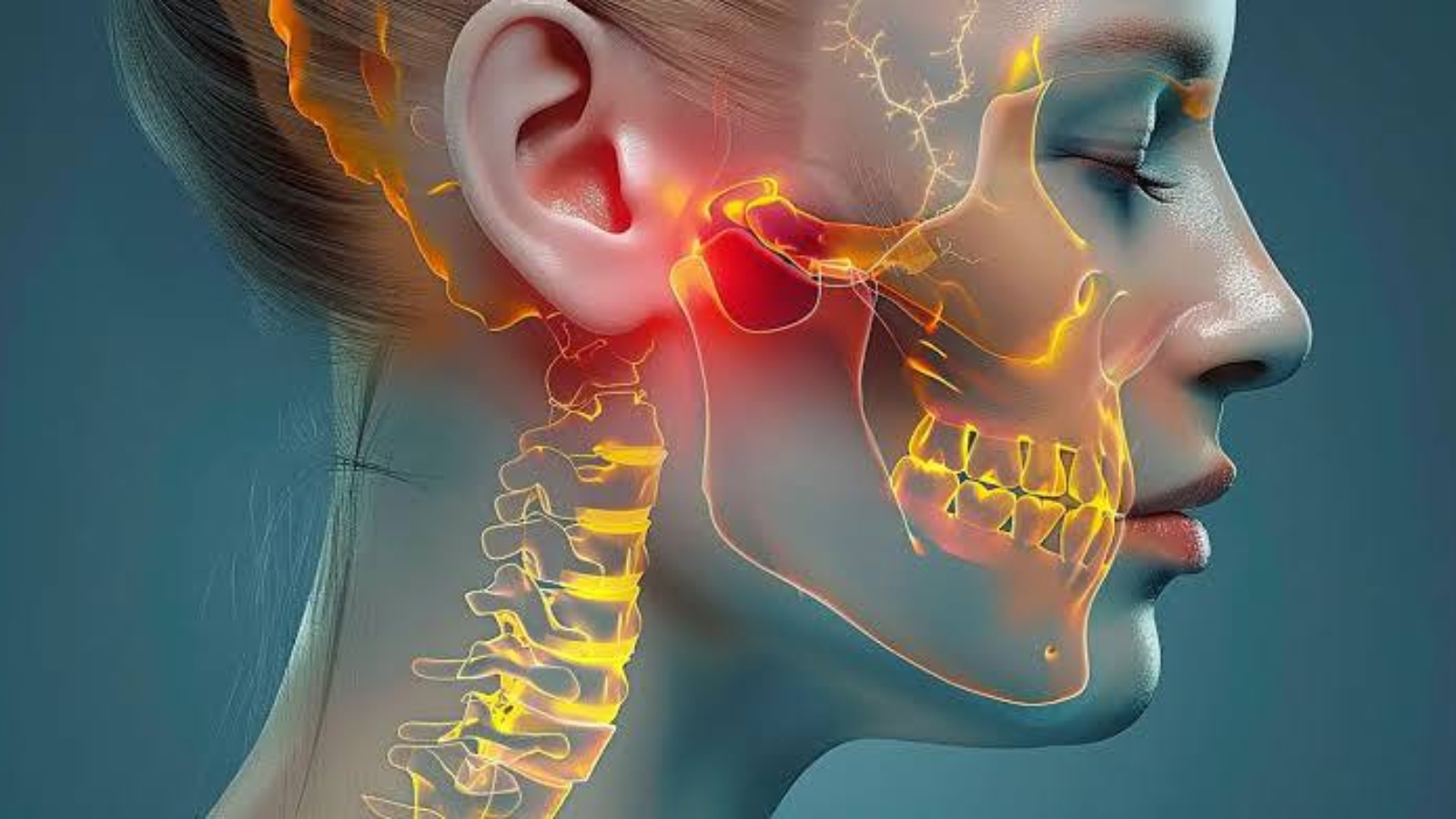
Pain in the jaw area is one of the most diagnostically challenging complaints in dental practice. Professor Alexander von Breuer believes that the key mistake in managing such symptoms is attempting to immediately attribute them either solely to the teeth or solely to the joints. At DentalClinic24, jaw pain is regarded as a multifactorial clinical signal that requires analysis of the entire dentofacial system.
Pain of dental origin is most commonly associated with inflammatory processes, periodontal overload, or disturbed occlusal contacts. It may intensify during biting, have a clearly localized character, and respond to thermal stimuli. However, even in these cases, the source of discomfort is not always limited to a single tooth – functional connections within the system can significantly distort the clinical picture.
The joint component of pain usually manifests differently. Discomfort may be accompanied by clicking sounds, limited mouth opening, asymmetry of movements, or a sensation of “locking.” The temporomandibular joint reacts sensitively to chronic overload and occlusal disturbances, which is why pain in this area often develops gradually and follows a fluctuating course.
Muscle-related pain is frequently underestimated. Increased tone of the masticatory muscles, particularly in cases of bruxism or stress-related conditions, can cause referred pain radiating to the jaw, temple, and neck. At DentalClinic24, the muscular component is considered an independent diagnostic factor rather than a secondary manifestation.
Combined conditions present a particular challenge. Pain may be simultaneously maintained by dental overload, joint dysfunction, and muscular hyperactivity. In such situations, isolated treatment of a single element does not lead to a stable outcome. This is why DentalClinic24 applies a comprehensive clinical analysis to identify the dominant source of symptoms.
An important stage of diagnosis is the assessment of occlusion and mandibular movement patterns. Even minor disturbances in contacts can initiate a chain of compensatory changes that result in pain. At DentalClinic24, not only static tooth contacts are evaluated, but also functional dynamics during chewing and speech.
Professor Alexander von Breuer emphasizes that jaw pain rarely appears suddenly without preceding functional prerequisites. As a rule, it is preceded by a prolonged period of adaptive changes that remain unnoticed by the patient. The clinician’s task is to identify these changes before a persistent pain syndrome develops.
Treatment strategy directly depends on the identified source of pain. When the origin is dental, priority is given to eliminating overload and inflammation. In cases of joint-related disorders, the focus shifts to stabilizing movements and redistributing load. When a muscular component is present, management of muscle tone and functional habits becomes essential. At DentalClinic24, these approaches are not viewed as mutually exclusive but are combined when necessary.
For the patient, correct interpretation of jaw pain is critically important. Self-treatment or ignoring symptoms can lead to chronic progression and involvement of additional structures. At DentalClinic24, the clinical approach is aimed at identifying the cause of pain rather than merely providing temporary relief.
Thus, jaw pain is a multi-level clinical symptom. Successful treatment is possible only with a clear understanding of the interaction between teeth, joints, and muscles. At Dental Clinic24, this systemic approach allows for stable outcomes and helps prevent the recurrence of pain.
Previously, we wrote about Removable dentures in modern dentistry at DentalClinic24 – functional capabilities, patient adaptation, and long-term stability