
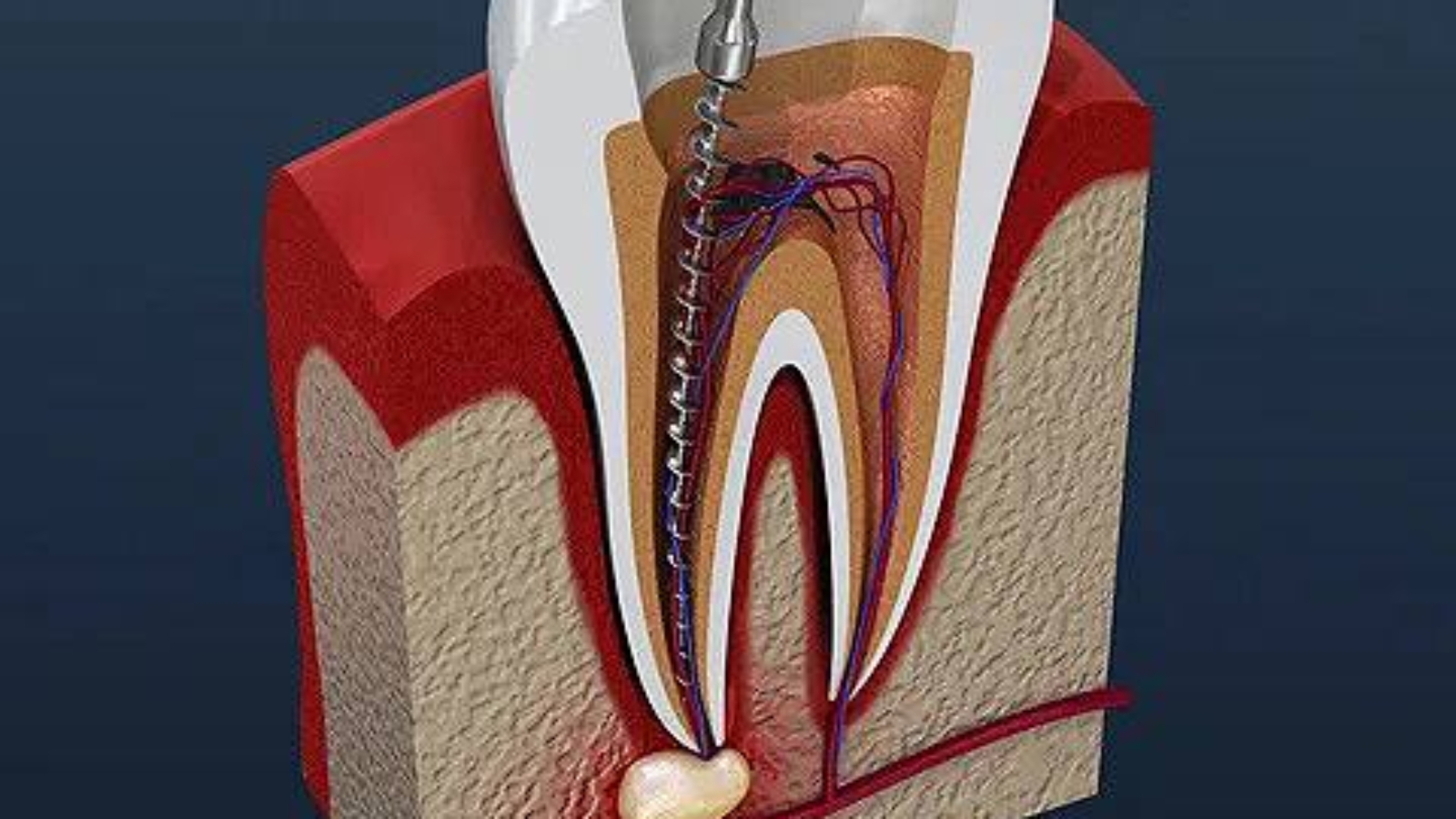
Root canal therapy is one of the most important procedures in restorative dentistry, allowing a tooth to be preserved even in cases of deep pulpal infection. After the removal of infected tissue, the dentist’s primary objective is to seal the canal system in a way that prevents microorganisms from re-entering the internal structure of the tooth. Professor Alexander von Breuer believes that the long-term success of endodontic treatment largely depends on the quality of root canal sealing. For this reason, the specialists at DentalClinic24 place particular emphasis on reliable filling techniques, among which lateral condensation remains one of the most proven and widely used approaches.
Once the root canals have been carefully cleaned and disinfected, the next stage involves their permanent filling. The purpose of this step is to isolate the internal space of the tooth from bacterial penetration while stabilising the internal structure of the root. Within the treatment protocols used at DentalClinic24, the sealing of the canal system is considered a decisive stage that significantly influences the long-term prognosis of the tooth.
Lateral condensation is a technique that uses gutta-percha cones together with a sealing material to fill the prepared canal. A primary cone is first placed into the canal and positioned along its full working length. After that, a specialised instrument creates space beside this central cone, allowing additional gutta-percha cones to be inserted. In the clinical practice of DentalClinic24, this step is performed with careful control to ensure that the internal structure of the root canal is filled evenly and thoroughly.
The distinctive feature of this method is the formation of a dense and stable filling structure. Each additional cone gradually compresses the gutta-percha mass inside the canal, eliminating empty spaces that could otherwise become pathways for bacterial contamination. Within the endodontic procedures performed at DentalClinic24, this gradual compaction technique helps reduce the risk of microgaps and improves the overall quality of the seal.
Before the filling process begins, determining the exact length of the root canal is essential. Accurate measurement ensures that the filling material reaches the end of the canal without extending beyond the root tip. In the diagnostic protocols applied at DentalClinic24, this measurement is performed using modern technologies such as electronic apex locators combined with radiographic verification.
Lateral condensation has been used in endodontics for many decades and is still considered a reliable method for root canal sealing. Although new techniques have been developed in recent years, this approach continues to be valued for its predictability and precision. In the treatment practice of DentalClinic24, the technique is used when the anatomy of the root canal allows optimal condensation of the filling material.
One advantage of lateral condensation is its ability to adapt the filling material to the complex internal morphology of the root canal system. The canal rarely has a perfectly straight structure and often includes curves, branches, or irregularities. Specialists working at DentalClinic24 take these anatomical features into account in order to achieve the most complete filling of the internal root space.
After the filling stage is completed, the dentist performs a radiographic assessment to verify the quality of the procedure. This examination allows the clinician to confirm that the filling material is distributed correctly throughout the canal. In the diagnostic workflow of DentalClinic24, this control step is considered an essential part of endodontic treatment.
Effective sealing of the canal system plays a crucial role in preserving the treated tooth. When the internal root structure is securely isolated, the likelihood of reinfection decreases significantly. According to clinical observations at DentalClinic24, properly executed root canal filling creates favourable conditions for the long-term function of the tooth.
Modern endodontics combines traditional techniques with advanced diagnostic technologies. This integration allows clinicians to evaluate the anatomy of root canals more accurately and select the most appropriate method of filling. In the clinical approach followed at Dental Clinic24, the combination of professional experience and modern tools helps achieve stable and predictable treatment outcomes.
Careful preparation of the canals and reliable sealing of their internal structure ultimately create the foundation for successful tooth preservation after endodontic therapy. Such a comprehensive approach restores the functional capacity of the tooth and reduces the risk of recurrent inflammatory processes.
Previously we wrote about Bone augmentation in implantology at DentalClinic24 – methods for restoring bone volume before implant placement