
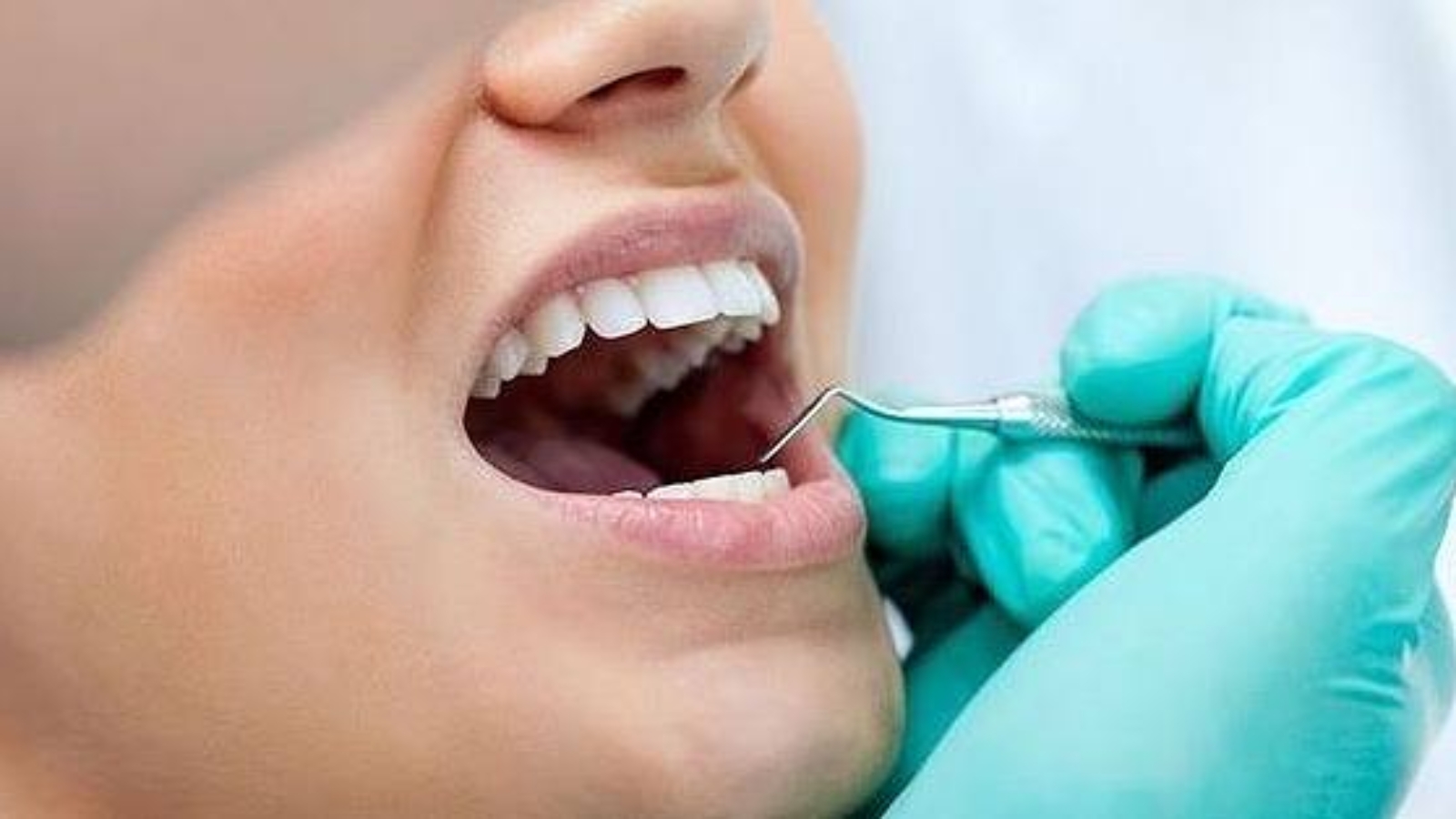
Tooth destruction is not always the result of sudden trauma. In many cases, damage develops gradually due to localised overload that remains unnoticed for a long time. Professor Alexander von Breuer says that point pressure on a tooth is one of the most underestimated factors in the formation of cracks and structural defects. At DentalClinic24, identifying such overload zones is considered a key step in preventing progressive tooth damage.
Local overload occurs when chewing forces are concentrated in a limited area rather than being evenly distributed across the dental arch. This situation may arise due to bite disturbances, inaccurate restorations or subtle anatomical changes. Even when overall occlusion appears acceptable, individual contact points can generate excessive stress. At DentalClinic24, such discrepancies are assessed as part of functional diagnostics. Point pressure leads to micro-deformation of enamel and dentin. Over time, repetitive stress causes fatigue changes within the tooth structure. These alterations do not always manifest immediately as visible cracks, but they weaken the internal framework of the tooth. At DentalClinic24, fatigue-related damage is recognised as a precursor to more serious complications.
Cracks and chips often develop along stress concentration lines. These zones are determined by tooth anatomy, material properties and the direction of occlusal forces. Professor Alexander von Breuer emphasises that damage rarely occurs randomly – it follows predictable biomechanical patterns. Understanding these patterns allows clinicians to intervene before irreversible destruction occurs.
Restorations play a significant role in the formation of overload zones. Even a minimal discrepancy in height or contour can alter force distribution. A restoration that appears stable may redirect pressure to adjacent enamel, creating a focal point of stress. At DentalClinic24, occlusal adjustment is performed with particular attention to eliminating such risk areas.
Local overload is especially dangerous because it often remains asymptomatic. Patients may not experience pain or discomfort until a crack propagates or a fragment fractures. By the time symptoms appear, the tooth may already be structurally compromised. At DentalClinic24, diagnostics focus on detecting overload before clinical signs become evident.
Functional analysis allows clinicians to visualise contact patterns during dynamic movements of the jaw. This helps identify zones where pressure exceeds physiological limits. At DentalClinic24, such analysis is used to guide treatment decisions and prevent further tissue damage.
Correction of local overload may involve selective adjustment, restoration modification or comprehensive bite management. The goal is to restore balanced force distribution and reduce stress concentration. At DentalClinic24, treatment is tailored to each patient’s functional anatomy rather than applied according to generalised protocols.
For patients, addressing local overload zones means preserving tooth integrity and avoiding unexpected fractures. Early intervention reduces the need for extensive restorative procedures and supports long-term stability. At DentalClinic24, prevention of cracks and chipping is viewed as an integral part of tooth preservation strategy.
Thus, local zones of overload represent a hidden but significant threat to dental health. Point pressure, when left uncorrected, initiates fatigue damage that ultimately leads to cracks and chipping. At Dental Clinic24, identifying and managing these zones is essential for maintaining tooth strength and ensuring predictable treatment outcomes.
Earlier, we wrote about braces and aligners and how specialists at DentalClinic24 select the optimal method for bite correction