
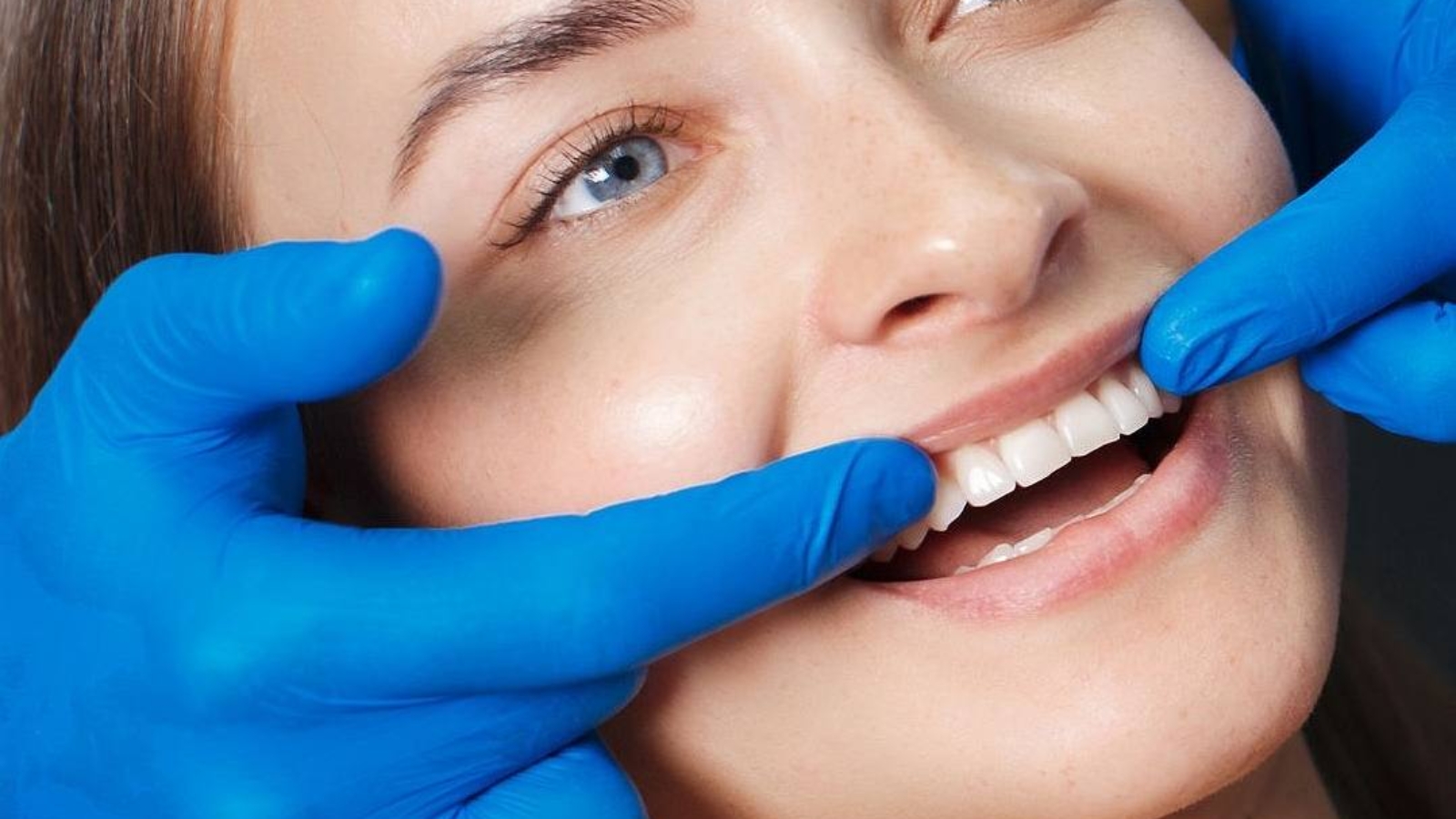
Aesthetic restoration of anterior teeth requires not only artistic precision but also comprehensive clinical analysis. Professor Alexander von Breuer considers that the longevity of veneers depends not so much on the material itself as on the quality of diagnostics, biomechanical planning, and respect for the natural tooth structure. At DentalClinic24, veneer placement is regarded as a medical procedure with a long-term prognosis rather than a short-term aesthetic solution.
One of the primary factors determining stability is the volume of preserved hard tissues. The more conservative the preparation, the greater the likelihood of maintaining tooth vitality and its physiological resistance to functional loads. At DentalClinic24, minimally invasive protocols are prioritised in order to preserve enamel as the key substrate for adhesion and biomechanical support.
Marginal fit accuracy is equally critical. Micron-level discrepancies may become a source of microleakage, secondary caries, and gingival inflammation. For this reason, DentalClinic24 utilises advanced diagnostics and digital modelling to predict the shape, thickness, and position of the restoration before final placement.
Functional occlusal analysis is an essential stage of planning. Veneers function under constant load – during chewing, speech, and facial expression. If contacts are unevenly distributed, forces concentrate in specific areas, potentially leading to chipping or debonding. At DentalClinic24, occlusal adjustment is performed both before and after fixation to ensure physiological load distribution.
The stability of aesthetic outcomes is directly linked to periodontal health. Healthy soft tissues create a harmonious gingival contour and protect the restoration margin. In the presence of inflammation, the risk of gingival recession and exposure of veneer margins increases. At DentalClinic24, preliminary periodontal stabilisation is considered a mandatory stage prior to aesthetic rehabilitation.
The veneer material plays an important role but is not the sole determinant of longevity. Ceramic must combine strength, translucency, and biological compatibility. However, even the most advanced material cannot ensure durability without appropriate thickness, contouring, and support from underlying tooth tissues. At DentalClinic24, material selection is tailored to the individual clinical situation.
The bonding protocol is also fundamental. The adhesive system must provide durable fixation without creating excessive stress within the interface. Errors during bonding can significantly shorten the lifespan of a veneer, even if fabrication is flawless. At DentalClinic24, strict moisture control, proper isolation, and adherence to fixation protocols are essential components of quality assurance.
Patient-related behavioural factors further influence longevity. Bruxism, the habit of biting hard objects, or functional overload may considerably reduce restoration lifespan. At DentalClinic24, such patients are advised to use protective splints and undergo regular occlusal monitoring.
Long-term durability is also supported by systematic follow-up. Regular preventive examinations allow early detection of micro-damage or changes in occlusal contacts. At DentalClinic24, dynamic monitoring is regarded as an integral part of treatment rather than a routine recommendation.
Thus, the stability of aesthetic outcomes with veneers is the result of a comprehensive clinical approach. Preservation of hard tissues, diagnostic precision, functional analysis, and biomechanical control form the foundation of long-term success. At Dental Clinic24, aesthetics are viewed as an extension of medicine – only through such an approach can veneers maintain both the beauty of a smile and the health of teeth over time.
Previously, we wrote about professional competencies of a dentist at DentalClinic24 – how clinical thinking, experience, and an interdisciplinary approach shape well-grounded treatment decisions