
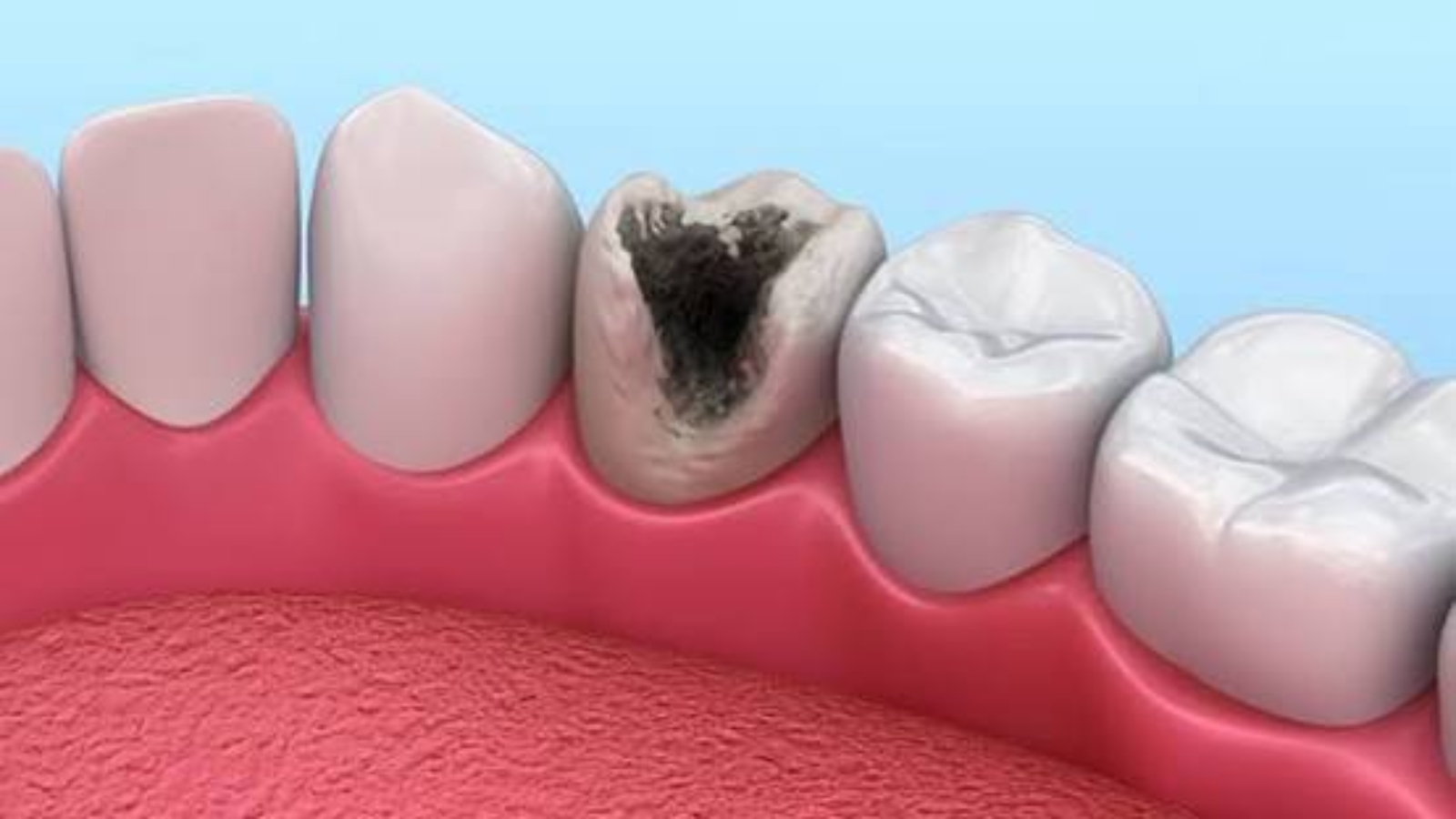
The loss of a dental filling is rarely a random event and almost always indicates deeper clinical processes. Professor Alexander von Breuer notes that the detachment of a restoration should not be viewed as a local technical failure, but as a signal of an imbalance between tooth tissues, functional load, and the previously chosen treatment strategy. At DentalClinic24, identifying the reasons behind a lost filling is a mandatory step before any restorative intervention is repeated.
One of the most common causes is a breakdown in marginal sealing. Over time, microgaps between the filling and tooth tissues may enlarge due to masticatory forces, temperature fluctuations, and material shrinkage. Even in the absence of obvious symptoms, such changes gradually weaken retention. At DentalClinic24, special attention is paid to assessing marginal integrity and the condition of enamel in the area of restoration adaptation.
Functional overload is another critical factor. When a filling is placed in a zone of increased occlusal pressure, it begins to function under conditions that exceed its mechanical limits. This is especially typical for posterior teeth and in cases of altered bite relationships. At DentalClinic24, loss of a filling often becomes a reason for a comprehensive functional analysis of the entire dentofacial system.
The condition of the tooth’s own tissues also plays a key role. Weakened dentin, microcracks in enamel, or overly aggressive preparation during previous treatment reduce the tooth’s ability to retain a restoration. In such cases, the loss of a filling reflects structural compromise rather than material failure. At DentalClinic24, repeat treatment always includes evaluation of the remaining structural strength of the tooth.
Changes within the oral environment after treatment can also contribute to restoration failure. Shifting of adjacent teeth, the appearance of new occlusal contacts, or altered chewing patterns may redistribute forces. At DentalClinic24, these dynamic changes are considered when determining the most appropriate restorative approach.
The quality of prior treatment deserves separate attention. Violations of adhesive protocols, inadequate isolation, or errors in shaping contact surfaces may not become apparent immediately, but can manifest months or even years later. At DentalClinic24, analysis of a failed restoration is never superficial – the objective is to identify systemic causes rather than simply replace the filling.
The choice of recovery strategy depends on a combination of factors. In some cases, repeat direct restoration with corrected anatomy and contacts is sufficient. In others, an inlay or an orthopaedic solution may be more appropriate, allowing for better load distribution. At DentalClinic24, such decisions are guided by long-term prognosis rather than short-term defect closure.
For patients, the loss of a filling may go unnoticed, particularly if no pain is present. However, ignoring the issue increases the risk of secondary caries, pulp inflammation, and further tooth destruction. At DentalClinic24, patients are informed that restoration loss is a reason for timely clinical evaluation, not for postponing a visit.
Thus, loss of a filling is an important diagnostic indicator reflecting the condition of both the tooth and the functional system as a whole. Careful analysis of underlying causes and an individualized restorative strategy make it possible not only to eliminate the defect, but also to enhance long-term stability. At Dental Clinic24, this approach is regarded as an integral part of preserving natural teeth over time.
Previously, we wrote about creating the ideal smile at DentalClinic24 – a step-by-step medical process from functional analysis to an aesthetic outcome