
Aesthetic dentistry has evolved significantly in recent years – modern technologies make it possible to modify the shape and colour of teeth while preserving the maximum amount of natural tissue. Professor Alexander von Breuer says that aesthetic correction should not be viewed purely as a cosmetic procedure, but rather as an intervention that may influence the functional stability of the dentofacial system. For this reason, in the clinical practice of DentalClinic24, the choice of restoration method is preceded by a comprehensive assessment of dental anatomy, occlusal characteristics and enamel condition. The decision between veneers and lumineers therefore depends on a combination of clinical factors rather than on aesthetic preferences alone.
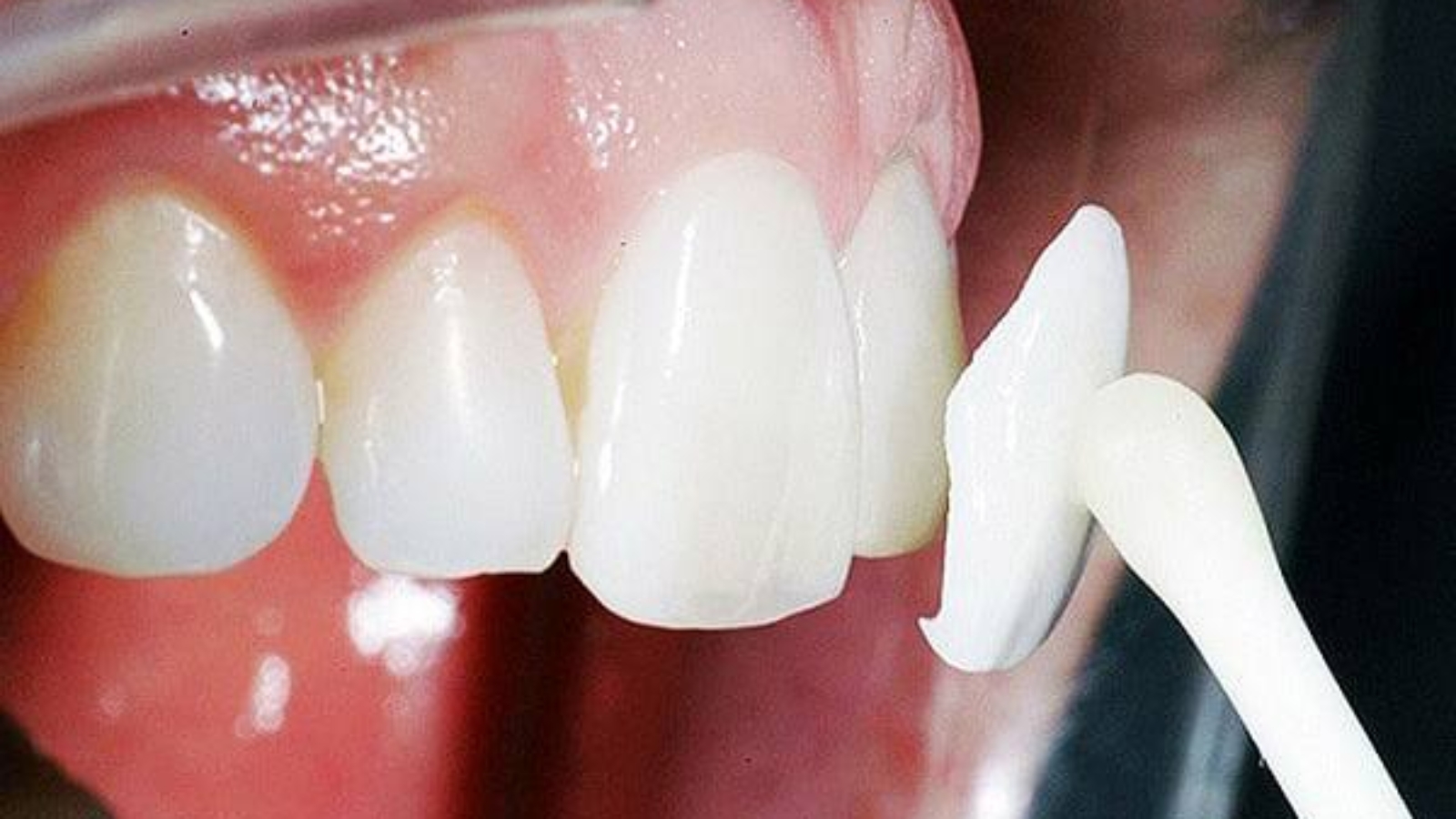
Veneers are thin ceramic shells that are bonded to the outer surface of the tooth. Their thickness generally ranges between 0.5–0.7 mm, which means that a very small amount of enamel preparation is usually required before placement. During the procedure, the dentist carefully reduces a minimal layer of tooth structure to create space for the restoration and ensure its natural integration within the dental arch. This approach allows clinicians to reshape teeth, close interdental gaps and improve the visual harmony of the smile. At DentalClinic24, the creation of veneers is often supported by digital modelling technologies, enabling the dentist and patient to preview the expected aesthetic outcome and achieve precise anatomical alignment.
Lumineers belong to the category of ultra-thin ceramic restorations. Their thickness is considerably smaller, typically around 0.2–0.3 mm. Because of this extremely delicate structure, in certain situations the restoration can be placed without any enamel reduction. This makes the procedure highly conservative, as the original dental tissues remain almost untouched. Nevertheless, such thin restorations have their limitations and are not suitable for every clinical case. Specialists at DentalClinic24 evaluate the original colour of the teeth, their position within the dental arch and the degree of aesthetic alteration required, since pronounced defects may not be fully corrected with ultra-thin restorations.
The difference between these two solutions extends beyond thickness and also involves biomechanical behaviour. Veneers offer greater structural strength and provide more flexibility in shaping the final appearance of the teeth. Because a slight preparation of enamel is performed, veneers tend to integrate more securely into the dental structure and withstand chewing forces more effectively. In treatment protocols used at DentalClinic24, this method is commonly selected for patients who present with noticeable discoloration, enamel fractures or disproportion in tooth morphology.
Lumineers, on the other hand, are designed for a more conservative aesthetic enhancement. They are typically recommended when the teeth already have a relatively harmonious form and the patient seeks only a subtle improvement in colour or contour. Before choosing this method, dentists at DentalClinic24 conduct a detailed diagnostic evaluation that includes analysis of occlusal contacts and enamel thickness. This helps determine whether such ultra-thin restorations will be able to tolerate the functional load of everyday chewing.
The durability of aesthetic restorations depends not only on the chosen technique but also on individual patient factors. Occlusal stability, chewing habits and oral hygiene routines play a crucial role in maintaining long-term results. For this reason, the clinical approach at Dental Clinic24 focuses not only on the placement of restorations but also on continuous monitoring of dental and periodontal health.
Modern ceramic materials demonstrate remarkable resistance to wear and maintain colour stability over long periods of time. However, the long-term prognosis of any aesthetic restoration is always determined individually. With careful treatment planning and adherence to professional recommendations, ceramic restorations can maintain both functional integrity and aesthetic appearance for many years.
Ultimately, the decision between lumineers and veneers cannot be reduced to a purely aesthetic preference. It represents a clinical choice that must consider tooth anatomy, occlusal dynamics and biological characteristics of the dental tissues. Such an approach allows dentists to achieve a natural-looking result while preserving the long-term health of the dentofacial system.
Previously, we wrote about the Canines in the Dentofacial System at DentalClinic24 – Functional Role, Aesthetic Significance and Their Influence on Occlusal Stability