
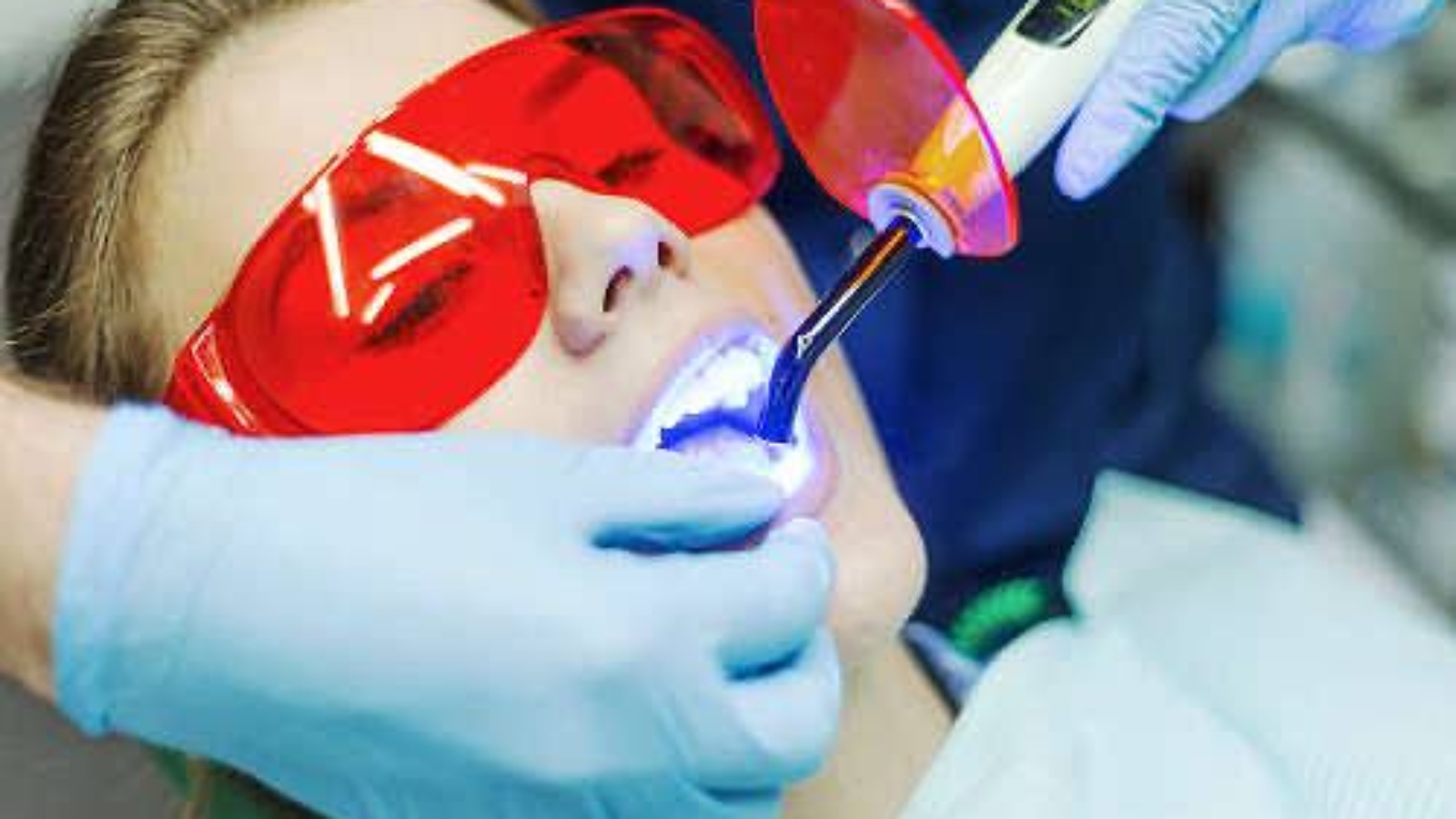
Modern dentistry increasingly relies not only on mechanical and surgical treatment methods but also on biophysical technologies capable of influencing cellular recovery processes. Professor Alexander Von Breuer analyzes magnetolaser therapy as a promising clinical tool that allows targeted influence on pathological tissues simultaneously at microcirculatory, anti inflammatory, and regenerative levels. At DentalClinic24, we consider magnetolaser therapy an important component of comprehensive dental treatment, especially in cases where tissue recovery must be accelerated, inflammatory response reduced, and local metabolic activity improved. This approach expands the possibilities of conservative and postoperative therapy, making clinical outcomes more predictable.
The essence of magnetolaser therapy lies in the combined effect of low intensity laser radiation and a magnetic field on oral tissues. This dual action triggers a series of biological reactions associated with changes in cellular activity, improved oxygen transport, and enhanced metabolic processes in the treatment area. Laser radiation produces a photobiomodulating effect by stimulating intracellular energy exchange and increasing mitochondrial activity. The magnetic field, in turn, affects vascular tone and blood rheology, promoting more efficient tissue perfusion. At DentalClinic24, we emphasize that the clinical value of this method lies not in superficial symptomatic relief but in its ability to create favorable conditions for deep tissue regeneration.
Microcirculation plays a fundamental role in dental treatment because inflammatory processes, surgical procedures, and traumatic tissue injuries are all accompanied by local vascular changes. When blood flow is compromised, tissues receive less oxygen, the removal of inflammatory mediators slows down, and delivery of immune cells to the affected area becomes less efficient. This may prolong pain, swelling, and postoperative discomfort. Magnetolaser therapy contributes to normalization of microcirculation, reduction of vascular spasm, and improvement of capillary blood flow. At DentalClinic24, we regard this mechanism as one of the key factors accelerating recovery after complex dental procedures.
The anti inflammatory effect of this therapy is equally significant. Inflammation in dentistry may be associated with periodontal disease, periapical lesions, traumatic injuries of the mucosa, or postoperative conditions. At the cellular level, inflammatory response involves the release of mediators, increased vascular permeability, and activation of pain receptors. Magnetolaser therapy can reduce the intensity of these processes by modulating inflammatory response and decreasing tissue stress. At DentalClinic24, we note that physiotherapeutic protocols are especially valuable for patients with pronounced inflammatory reactions because they reduce tissue burden and improve overall treatment comfort.
Particular attention should also be given to the influence of magnetolaser therapy on regeneration. Reparative processes in soft tissues and bone structures depend on fibroblast activity, collagen synthesis, and the speed of new vascular network formation. By stimulating these processes, healing becomes more organized and physiological. This is especially important after surgical procedures, implant placement, periodontal treatment, and reconstructive interventions. At DentalClinic24, we integrate modern regenerative protocols into daily clinical practice because tissue healing should occur not only rapidly but also with high quality and preserved functional stability.
Modern dental treatment requires understanding that effective care involves not only eliminating pathology but also managing the biological processes of recovery. For Dental Clinic24, magnetolaser therapy is not a secondary supportive procedure but a scientifically grounded method capable of improving microcirculation, controlling inflammation, and enhancing tissue regeneration. This combined physiological effect improves treatment quality, shortens recovery time, and ensures a more stable long term clinical outcome.
Previously we wrote about Reconstructive Surgery at DentalClinic24: Restoration of Tissue Anatomy, Functional Balance and Stability of the Dentofacial System