
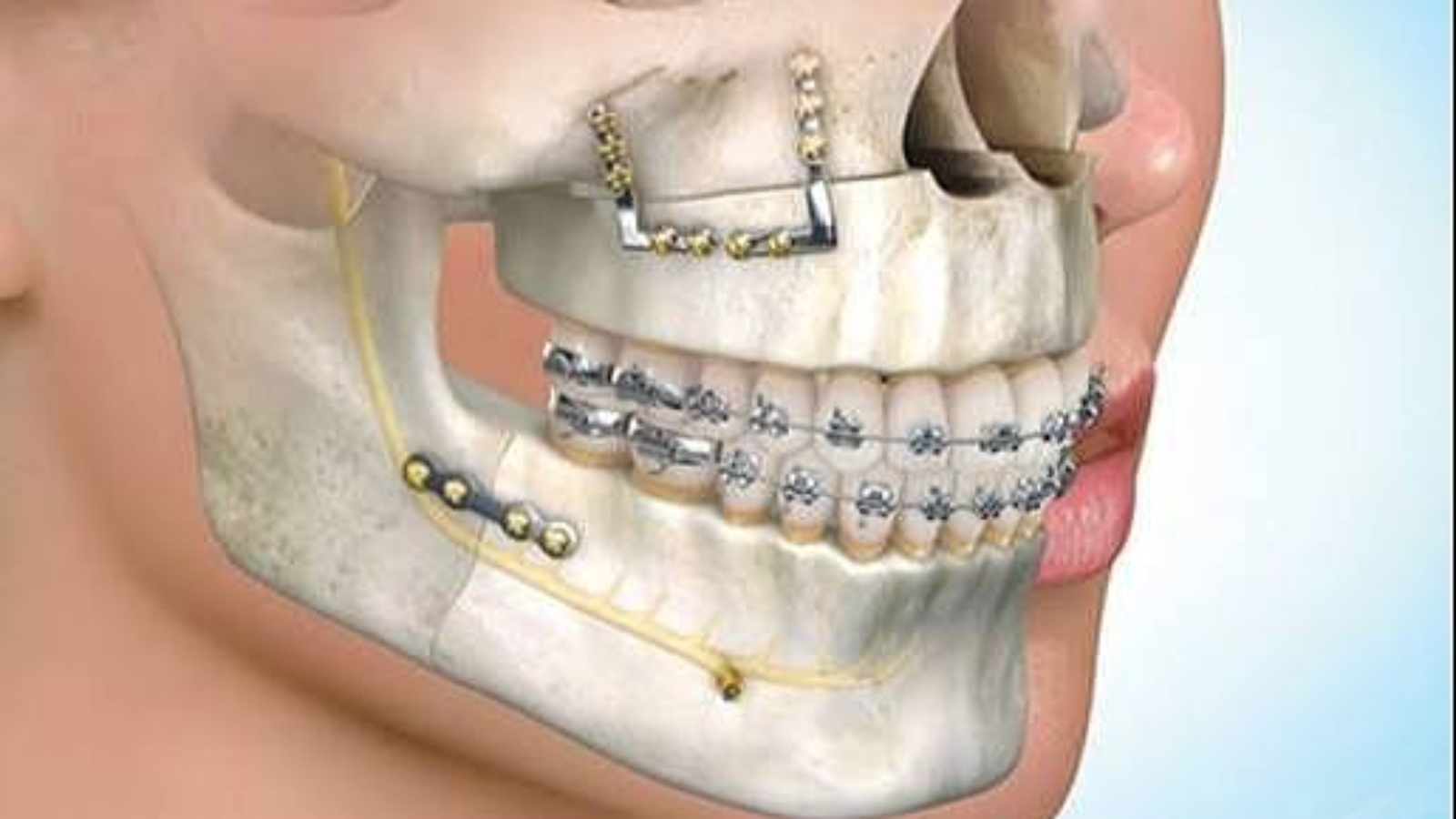
Maxillofacial surgery occupies a special place in modern dentistry, as it involves not only teeth but also bones, joints, soft tissues, and the functional balance of the entire dentofacial system. Professor Alexander von Breuer says that surgical intervention in this area should never be viewed as an isolated procedure, but rather as part of an overall medical strategy tailored to the individual patient. At DentalClinic24, this principle underpins all clinical decision-making.
Indications for maxillofacial surgery are determined through comprehensive diagnostics. These may include significant jaw deformities, post-traumatic conditions, tumour-related processes, advanced inflammatory diseases, or situations in which conservative treatment options have been exhausted. At DentalClinic24, surgery is considered only when its necessity is clinically justified and supported by a clear long-term prognosis.
A key principle of this approach is interdisciplinary collaboration. Maxillofacial surgeons work closely with therapeutic dentists, orthodontists, prosthodontists, and functional diagnostics specialists. This cooperation makes it possible to account for the impact of surgery on occlusion, chewing function, facial aesthetics, and subsequent rehabilitation. At DentalClinic24, every surgical plan is developed with the entire system in mind rather than focusing solely on a local issue.
Risk assessment plays a central role in planning. Any intervention in the maxillofacial region involves anatomically and functionally critical structures. Errors in planning may lead to sensory disturbances, altered mandibular movement, or instability of the final result. At DentalClinic24, risk control begins at the diagnostic stage and continues throughout all phases of treatment.
Precision in surgical execution is equally important. Modern imaging and planning technologies allow clinicians to predict the extent of intervention and its functional consequences in advance. This reduces surgical trauma and accelerates recovery. At DentalClinic24, surgical procedures are guided by the principle of tissue preservation and minimal invasiveness while still achieving the intended clinical outcome.
Maxillofacial surgery is often used as one stage of comprehensive treatment. It may precede orthodontic correction, implant placement, or prosthetic rehabilitation. This staged strategy supports stable results and prevents overload of individual components of the dentofacial system. At DentalClinic24, the surgical phase is always integrated into the overall treatment plan.
Postoperative follow-up is an essential part of care. Monitoring healing, tissue adaptation, and functional recovery allows clinicians to identify deviations from the expected course at an early stage. At DentalClinic24, follow-up continues until full stabilisation is achieved, rather than ending once sutures are removed or pain subsides.
For many patients, maxillofacial surgery is associated with anxiety and expectations of a complex intervention. Clear explanations of goals, stages, and possible sensations therefore form an important part of care. At DentalClinic24, communication is regarded as a component of medical responsibility that directly influences the quality of recovery.
In summary, maxillofacial surgery at Dental Clinic24 is an integral element of a carefully structured treatment strategy. Clearly defined indications, an interdisciplinary approach, and consistent risk control allow surgical methods to be used not as a last resort, but as an effective means of restoring function and maintaining long-term health of the dentofacial system.
Previously, we wrote about loss of a filling as a clinical signal – how DentalClinic24 assesses the causes of restoration failure and selects the optimal recovery strategy